What Does Church History Teach Us in 2026?
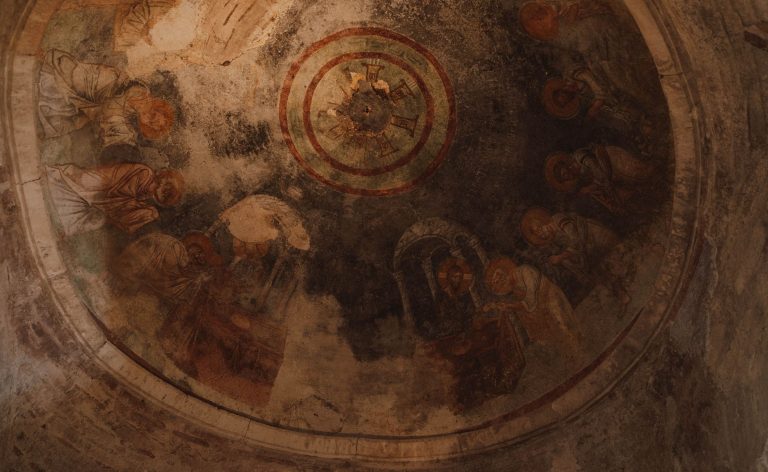
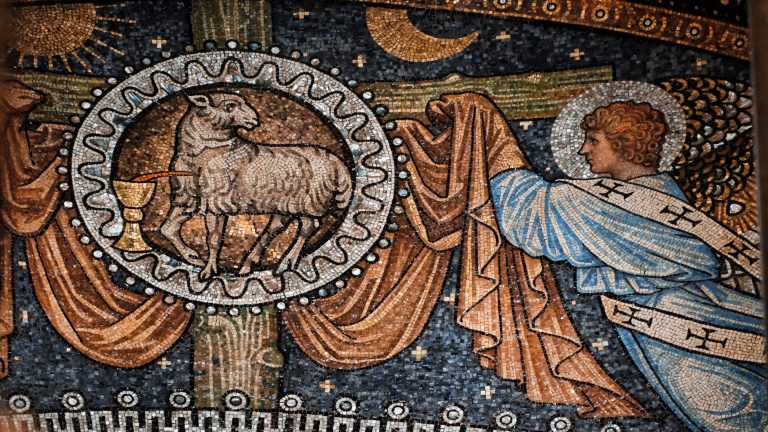
Church history is the record of how the Holy Spirit has worked through imperfect people to preserve and proclaim the gospel across two millennia.
Biblical genealogy serves as the record of God’s covenantal history and the authentication of the messianic line from Adam through to Jesus Christ.
The Ten Commandments are a set of foundational moral and religious laws recorded in the Bible, serving as the core of the covenant between God and Israel.
The parables of Jesus are short, symbolic narratives used to illustrate spiritual truths about the Kingdom of God in an accessible way.
A gospel harmony is a literary and theological tool that arranges the four canonical Gospels into a single, chronological account to highlight their interdependencies.
A biblical word study involves investigating the original language terms behind an English translation to clarify meaning and intent. It is a foundational practice for serious Bible readers.
Bible history and archaeology provide a material framework that helps scholars better understand the cultural and geographical context of ancient events.
Christian apologetics is a crucial aspect of Christian living. It involves defending the faith and engaging with skeptics in a respectful and informed manner.
A Bible commentary is a written resource that explains the meaning, context, and application of biblical texts to help readers understand God’s Word.
The Bible is filled with a diverse range of characters, each with their own unique story and contribution to the biblical narrative