Textual Criticism of Bible Manuscripts: A 2026 Guide
What Is Biblical Textual Criticism and Why Does It Matter?
Textual criticism is the scholarly process of comparing ancient manuscript copies to reconstruct the original words of the biblical authors.
In over 15 years of teaching this subject, I have noticed that most people fear textual criticism as if it undermines the Bible’s authority. In reality, this discipline is exactly what secures our confidence in the text we read today. By evaluating thousands of hand-copied documents, scholars identify and resolve transmission errors that occurred over centuries. That is exactly what this article is going to untangle.
Key Takeaways:
- There are over 5,800 Greek manuscripts of the New Testament available for analysis today.
- The earliest known manuscript fragment of the New Testament dates to approximately 125 AD.
- Textual critics maintain an accuracy rate exceeding 99% regarding the original meaning of the text.
- This process is essential for verifying historical what does the Bible say claims against potential copyist variations.
How Do Scholars Define Textual Criticism?
Textual criticism is a rigorous academic method used to analyze variations between ancient manuscripts to determine the most likely original text.
The goal is not to create a new Bible, but to get as close to the original autographs as physically possible. Scholars use principles of internal and external evidence to weigh variations found in different manuscript families. When a copyist error appears, we can often trace the origin of the mistake through systematic comparison.
Why Is This Discipline Essential for Biblical Studies?
Textual criticism provides the objective foundation for trusting that modern Bible translations accurately represent the original Hebrew and Greek.
Without this field, we would have no way to distinguish between a scribal typo and the intended divine message. It is the primary tool for biblical figures researchers and theologians alike. By understanding these technical processes, you can read your copy of the scriptures with much greater historical certainty.
How Do Ancient Manuscripts Provide Evidence for Reliability?
Manuscript evidence relies on the sheer volume and age of ancient copies, which far exceed the evidence for other ancient historical texts.
The manuscript tradition for the New Testament is vastly more robust than that of any other classical literature. We have thousands of copies distributed across different regions and centuries, making it mathematically unlikely that any significant corruption went unnoticed. This breadth of evidence is the bedrock of our modern translations.
What Is the Role of Papyrus Fragments?
Papyrus fragments provide the earliest physical evidence of the New Testament text, often dating within decades of the original writings.
These fragile scraps of plant-based material often contain just a few verses, yet they prove the text was circulating widely very early. Their existence refutes claims that the Bible was fabricated or altered centuries later. We use these to bridge the gap between the apostolic era and later full manuscripts.
What Do Uncial and Minuscule Manuscripts Reveal?
Uncial and minuscule manuscripts provide complete or near-complete copies of the Bible, showing high consistency in the transmitted text.
Uncials are written in capital letters and range from the 4th to the 9th centuries, while minuscules use smaller, cursive-style handwriting from the 9th century onward. By comparing these categories, scholars confirm that the text remained remarkably stable over hundreds of years. The consistency across these different physical forms is a hallmark of careful transmission.
How Does the Dead Sea Scrolls Find Affect the Old Testament?
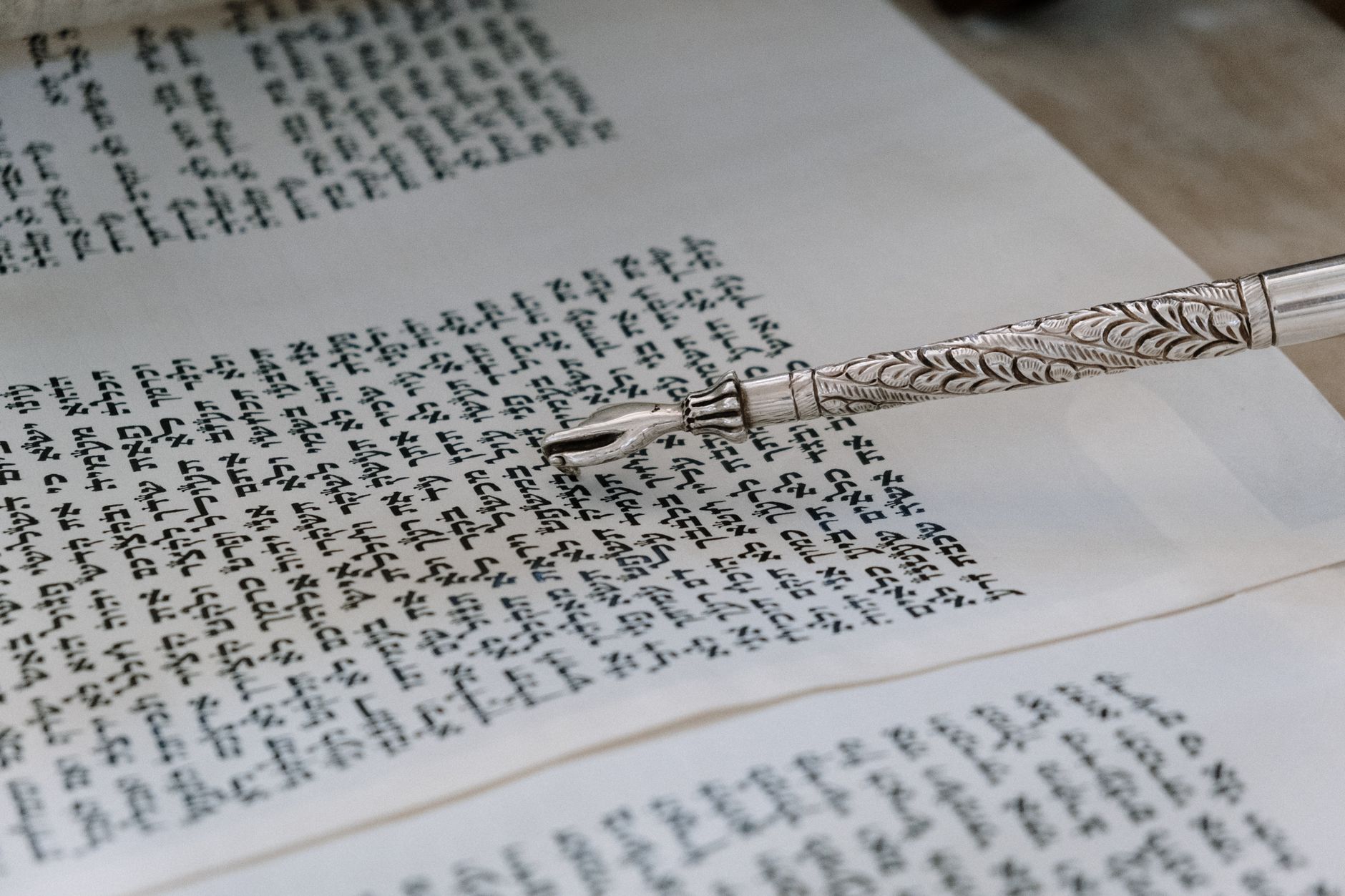
The Dead Sea Scrolls confirmed the incredible accuracy of the Hebrew Masoretic Text by predating it by over a thousand years of copying.
Before 1947, our oldest Hebrew manuscripts were from the 10th century. The scrolls provided evidence that the text had not shifted significantly despite the long interval of oral and written transmission. It is a vital resource for those looking into the is it a sin questions regarding historical accuracy and divine preservation.
What Are the Common Frequently Asked Questions?
-
Does textual criticism mean the Bible was changed?
Textual criticism does not mean the Bible was changed, but rather that minor copyist errors were identified and corrected in modern versions.
-
Are there contradictions in the ancient manuscripts?
Most manuscript variations involve minor spelling or word order differences that do not affect any fundamental theological teaching at all.
-
Why are there so many different Bible translations?
Translations differ primarily due to their chosen translation philosophy, such as word-for-word accuracy versus thought-for-thought clarity.
-
Can I trust the Bible I currently own?
Modern Bibles are based on the best available critical editions, which reflect the highest degree of confidence in the original text to date.
-
What is the majority text view?
The majority text view argues that the most frequently occurring readings in the manuscript tradition are the most likely to be original.
-
What is the critical text method?
The critical text method prioritizes the oldest and most diverse manuscripts rather than the sheer number of later copies available.
-
How do scholars date these ancient manuscripts?
Scholars date manuscripts using paleography, which analyzes handwriting styles, and radiocarbon dating of the physical materials used.
-
Are lost books of the Bible discovered by this?
Textual criticism focuses on the canonized scriptures and does not discover lost books of the Bible through the study of extant manuscripts.
-
What are the major textual families?
Major manuscript families include the Alexandrian, Western, Caesarean, and Byzantine texts, each with distinct regional copying patterns.
-
Who performs this type of research?
Research is conducted by biblical philologists and textual critics at seminaries and universities worldwide using peer-reviewed methodology.
The following questions represent the most common inquiries regarding the integrity and methodology behind biblical textual criticism today.
Understanding the process of textual criticism allows us to engage with the Bible as a text that is both human and divine. It is not something that requires a blind leap of faith but a rational look at the history of God’s Word. I hope this guide provides you with a firmer foundation for your own reading of the scriptures.
— Pastor Thomas Whitfield, M.Div.