Does the Inerrancy of the Bible Only Apply to the Original Manuscripts?
Biblical inerrancy technically applies to the original autographs, but this doesn’t diminish the reliability of our modern, faithfully transmitted texts.
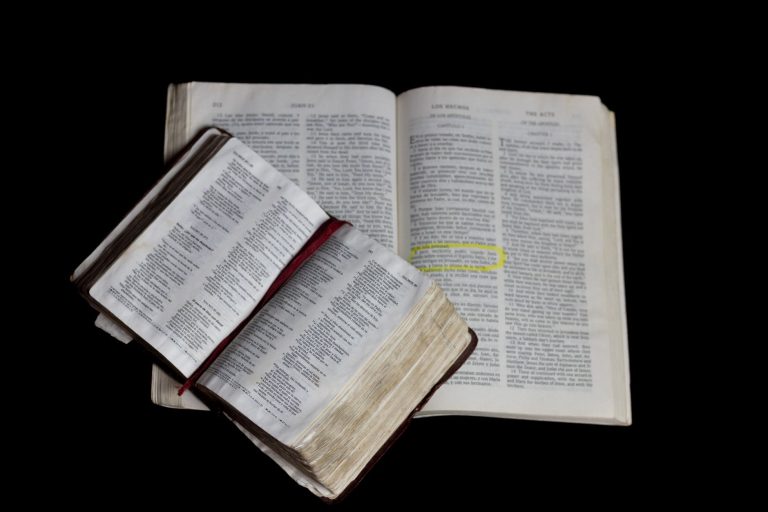
Biblical inerrancy technically applies to the original autographs, but this doesn’t diminish the reliability of our modern, faithfully transmitted texts.

The biblical canon was not determined by a single vote, but by the church recognizing the inherent authority of writings already accepted by the apostles.

Good ways to memorize Bible verses include repetition, writing them out, saying them aloud, using memory aids like acronyms or songs, and reviewing consistently.

If you are beginning your journey through Scripture, the Gospel of Mark is the best place to start because it offers a fast-paced, direct look at the life and mission of Jesus.

While the Bible references the moon as a marker of time, it carefully distinguishes lunar cycles from pagan worship or modern astrological significance.

Yes, several individuals of African descent and ancient African nations are explicitly mentioned throughout the biblical narrative.

Jesus prioritized the transformation of human hearts through oral teaching and the appointment of witnesses over the production of a written manuscript.

The Bible codes claim to find hidden messages in the Hebrew text using equidistant letter sequences, but they lack scholarly, theological, and historical support.

The KJV Only movement claims the King James Version is the only divinely preserved Bible, but does scripture support this? We look at the facts.

When the Bible states that an ‘evil spirit from the Lord’ tormented King Saul, it reflects the complex intersection of divine judgment, human free will, and the sovereignty of God over all spiritual forces.