What is a Biblical Symbolism Guide for 2026 Readers?
What is a Biblical Symbolism Guide for 2026?
Biblical symbolism is the use of objects, numbers, and actions to represent spiritual realities, requiring historical context for accuracy.
In fifteen years of teaching, I have observed that most readers approach biblical imagery as a cipher to be cracked. They search for a static dictionary where ‘water’ always means baptism or ‘mountain’ always means a kingdom. However, the Bible is not a collection of cryptic puzzles but a library of ancient literature that uses consistent, shared cultural metaphors.
- There are over 40 distinct symbolic uses of the number seven in the Bible, signifying completion or divine perfection.
- Biblical authors frequently use at least 12 common animal metaphors to describe both human character and divine attributes.
- Understanding the original cultural context resolves 90% of interpretive confusion regarding symbolic actions.
- A reliable guide prioritizes the author’s original intent over modern metaphorical invention.
Why is context the foundation of interpretation?
Context dictates the meaning of symbols, ensuring that an object in the desert carries the same weight as intended by the ancient author.
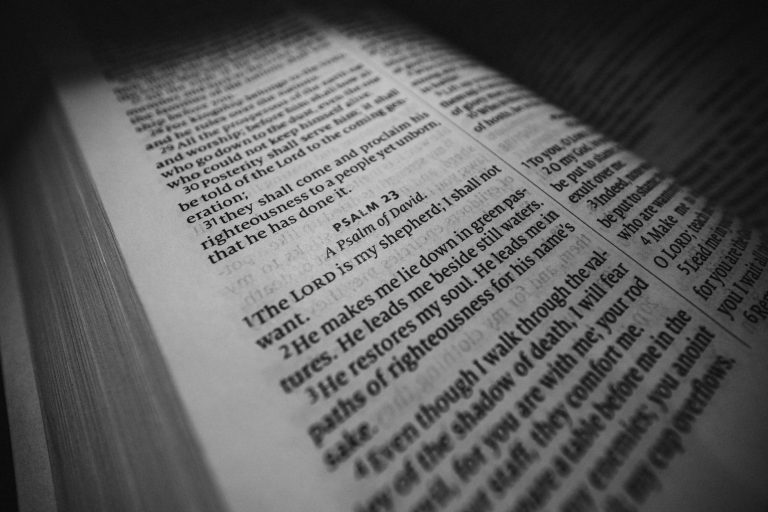
Symbols in Scripture operate within a specific cultural horizon. When Jesus identifies himself as the ‘Good Shepherd’ in John 10:11, he is not merely using a poetic term. He is engaging with a massive Old Testament foundation where God is the shepherd of Israel, as seen in Psalm 23.
To interpret symbols effectively, you must observe the following patterns:
- Identify if the symbol is explicitly defined by the author elsewhere in the text.
- Consult the broader narrative arc to see how the symbol appears in other books.
- Distinguish between literal objects and metaphoric actions.
- Avoid assigning modern psychological meanings to ancient cultural icons.
How do numbers function symbolically in the Bible?
Numbers like three, seven, and twelve serve as structural markers signifying divine order, completeness, or historical covenantal groups.
Numbers in the Bible rarely denote simple quantity when they appear in prophetic or apocalyptic literature. For instance, the number forty usually signifies a period of testing or trial, such as the rain of the flood or Jesus’s time in the wilderness.
| Number | Typical Symbolic Meaning |
|---|---|
| 3 | Divine fullness or identity |
| 7 | Completion or perfection |
| 12 | Covenantal authority and governance |
| 40 | Preparation or testing |
Which Common Objects Represent Divine Truths?
Common objects like oil, bread, and water appear consistently to represent the presence, sustenance, and cleansing power of the Holy Spirit.
The physical world is frequently used to illustrate the invisible kingdom. Oil, for example, is not just a fuel source or a cosmetic in the ancient Near East; it is the primary symbol of anointing and the presence of the Holy Spirit.
What does the symbol of water represent?
Water acts as a dual symbol, representing both the destructive power of judgment and the life-giving nature of spiritual cleansing or rebirth.
In Genesis 1, water represents the chaotic, unformed state of the earth before creation. By the time we reach the New Testament, John the Baptist uses water for a baptism of repentance, drawing on the idea of washing away sin.
Consider these different contexts for water:
- The floodwaters in Genesis represent judgment and purging.
- The crossing of the Red Sea represents salvation and deliverance.
- Living water in John 4:10 represents the eternal life found in Christ.
How is light and darkness used in Scripture?
Light consistently symbolizes truth, purity, and divine presence, while darkness denotes ignorance, moral chaos, and separation from God.
These are perhaps the most universal symbols across the entire canon. From the first command in Genesis, ‘Let there be light,’ to the description of the New Jerusalem, light is the medium through which God reveals himself to humanity.
What Are the Best Practices for Symbolic Study?
Studying symbolism requires cross-referencing biblical texts and avoiding the mistake of treating metaphors as literal scientific predictions.
The greatest risk in studying symbolism is ‘over-interpreting’—finding symbols where the author intended none. A shepherd is often just a shepherd. A tree is often just a tree. You must verify if the text invites a symbolic reading.
How do I avoid common interpretive errors?
Effective study avoids importing modern ideas into ancient texts by prioritizing the author’s primary audience and original language nuances.
When you read the books of the Bible, always ask what the original reader would have understood. If you are unsure, look for commentary that focuses on historical background rather than allegorical speculation.
- Check if the author explains the symbol within the same chapter.
- Compare the symbol against its usage in the Law and the Prophets.
- Keep your interpretation tied to the main theme of the book you are reading.
- Recognize that some imagery is purely descriptive, not symbolic.
What resources assist in understanding symbols?
Reliable study resources include biblical dictionaries and commentaries that prioritize ancient Near Eastern culture over modern allegorical ideas.
While software can be helpful, the most important tool is a familiarity with the text itself. When you see a symbol, write down every instance of that object you find throughout the Bible to observe how it changes or develops.
Frequently Asked Questions
-
Should I interpret every object as a symbol?
No; many biblical passages are historical narratives where objects function literally rather than symbolically.
-
Is there a universal dictionary for biblical symbols?
No; symbols derive their meaning from the author’s intent and the cultural context of the original audience.
-
Why do symbols sometimes change meaning?
Symbols evolve based on the progress of revelation; for example, blood changes from a sign of life to a sign of atonement in the Mosaic Law.
-
Are apocalyptic symbols like those in Revelation literal?
They are generally recognized as highly symbolic, using cosmic imagery to describe real spiritual and historical realities.
-
How do I know if a number is meant to be symbolic?
Look for patterns; if a number seems forced into a context, it is likely intended to convey a structural or spiritual point.
-
Can symbols have more than one meaning?
Yes; context dictates meaning, so a symbol like a lion can represent either a predator of terror or the victorious ‘Lion of Judah.’
-
Does the New Testament use symbols differently?
The New Testament often reinterprets Old Testament symbols in light of the person and work of Jesus Christ.
-
What if I find a symbol that seems contradictory?
Look at the specific genre; a poetic book uses imagery differently than an epistle or a historical account.
-
Is symbolism the same as allegory?
Not exactly; symbolism is the use of a sign, while allegory is an extended narrative where every element represents something else.
-
How can I start learning biblical symbolism?
Begin by reading the Psalms and the Gospels, taking note of how Jesus uses common elements of nature to describe the kingdom of God.
— Pastor Thomas Whitfield, M.Div.