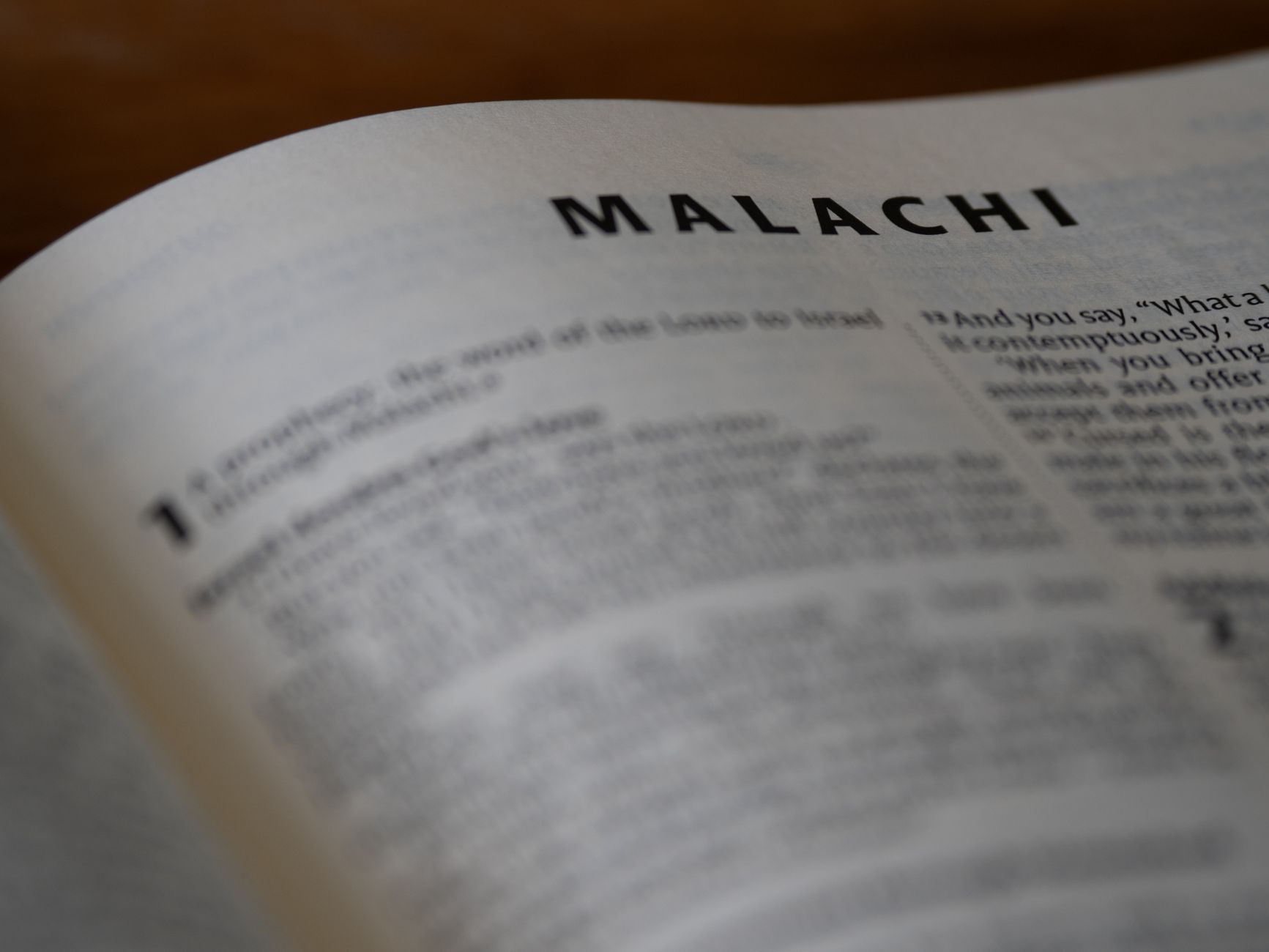
Old Testament Guide 2026: Understanding the Foundation of Scripture
The Old Testament is the first 39 books of the Bible, serving as the historical and theological foundation for the New Testament covenant.
- The Old Testament contains 39 distinct books written over roughly 1,500 years.
- It is organized into four main sections: Law, History, Poetry, and Prophecy.
- It sets the stage for the arrival of the Messiah mentioned in the New Testament.
- Understanding these 39 books is essential for grasping the complete biblical narrative.
In 15 years of teaching this collection, I have found that most students feel overwhelmed by the sheer volume of material. It is easy to view these books as separate, unrelated documents rather than a unified story. This guide is designed to untangle that complexity for you.
How is the Old Testament organized in modern Bibles?
The 39 books are grouped by literary genre: the Pentateuch (5), History (12), Wisdom/Poetry (5), and the Major and Minor Prophets (17).
What are the books of the Law?
The first five books, also called the Pentateuch or Torah, record creation, the fall, and the establishment of Israel’s covenant law.
These books form the backbone of the entire Books of the Bible collection. Genesis, Exodus, Leviticus, Numbers, and Deuteronomy reveal God’s character through his interaction with the patriarchs and the nation of Israel. They provide the legal and sacrificial framework that the later books assume.
- Genesis: Origins and family history
- Exodus: Deliverance from Egyptian bondage
- Leviticus: Holiness and ritual laws
- Numbers: The wilderness journey
- Deuteronomy: The restatement of the law
What historical books follow the Law?
The 12 history books, from Joshua to Esther, detail Israel’s entry into Canaan, the monarchy era, and the eventual exile from the land.
These narratives track the rise and fall of the kingdom. They are often sobering, as they record the repeated cycle of Israel’s unfaithfulness followed by God’s patient, yet firm, discipline.
What is the role of the wisdom and poetic literature?
The five books—Job, Psalms, Proverbs, Ecclesiastes, and Song of Solomon—address the practical and emotional realities of living by faith.
These books move from public history into the private heart of the believer. Many respected Bible scholars note that these texts are not just historical artifacts but remain the primary Prayer and Faith resources used by the church today.
| Section | Books | Approx. Date | Traditional Author |
|---|---|---|---|
| Law (Pentateuch) | Genesis, Exodus, Leviticus, Numbers, Deuteronomy | 1400–1200 BCE | Moses |
| History | Joshua, Judges, Ruth, 1‑2 Samuel, 1‑2 Kings, 1‑2 Chronicles, Ezra, Nehemiah, Esther | 1200–400 BCE | Various (prophets, scribes) |
| Wisdom/Poetry | Job, Psalms, Proverbs, Ecclesiastes, Song of Solomon | 1000–300 BCE | David, Solomon, etc. |
| Major Prophets | Isaiah, Jeremiah, Lamentations, Ezekiel, Daniel | 8th–6th century BCE | Isaiah, Jeremiah, Ezekiel, Daniel |
| Minor Prophets | Hosea, Joel, Amos, Obadiah, Jonah, Micah, Nahum, Habakkuk, Zephaniah, Haggai, Zechariah, Malachi | 8th–5th century BCE | Various prophets |
What are the main theological themes in the Old Testament?
The text emphasizes the holiness of God, the reality of human rebellion, and the consistent promise of a future redeemer for all people.
How does the Old Testament define God’s holiness?
The Old Testament portrays God as entirely separate from human sin, requiring a sanctified life for those in a covenant relationship.
His holiness is not merely an abstract attribute; it is a consuming reality that demands justice. This is why the sacrificial system in Leviticus exists, to provide a temporary bridge between a perfect Creator and a broken people.
Why is the concept of covenant central to the text?
A covenant is a binding legal agreement between God and his people, defined by specific obligations and divine promises of faithfulness.
We see this established with Noah, Abraham, Moses, and David. Each covenant clarifies the nature of God’s interaction with humanity and points toward the final covenant established in the New Testament.
How do the prophets point toward the New Testament?
The prophetic books serve as a warning to Israel while simultaneously offering hope through the promise of a future Davidic Messiah.
They are frequently misunderstood as just predictors of the future, but they were actually preachers to their current culture. Their core message was always a call to repent and trust in God’s future restoration.
Frequently Asked Questions About the Old Testament
-
Is it a sin to ignore the Old Testament?
Ignoring the Old Testament limits your understanding of Christ, as the New Testament quotes or alludes to these books hundreds of times.
-
How do I study the Old Testament effectively?
Read it with an awareness of the original cultural context and focus on how each book reveals the nature and promises of the one God.
-
Why is the Old Testament often called the Hebrew Bible?
It is called the Hebrew Bible because it was written primarily in Hebrew, reflecting the language and culture of the ancient Israelites.
-
What is the difference between the Old and New Testaments?
The Old Testament covers the history before Christ, while the New Testament details the life, ministry, and death of Jesus the Messiah.
-
Are the laws in the Old Testament still binding today?
Christians believe the moral law remains, while the civil and ceremonial laws were fulfilled and superseded by the work of Jesus Christ.
In my years of teaching, I have observed that most confusion regarding the Old Testament stems from treating it as a static rulebook rather than a dynamic narrative. Treat it as the prologue that explains why the arrival of the Messiah in the New Testament is such a momentous event. — Pastor Thomas Whitfield, M.Div.