What Does the Bible Say About Bible Verses?
How Should I Understand Bible Verses?
Bible verses are categorized segments of the original manuscripts used to aid study, but they are not independent thoughts by the authors.
In 15+ years of teaching the Scriptures, I have noticed a recurring pattern: most people view a single verse as a standalone fortune cookie. They search for a ‘verse of the day’ to provide comfort or direction, treating the isolated text as a divine soundbite. While God’s word is powerful, pulling a line out of its argument can lead to accidental distortion. That is exactly what this article is going to untangle.
Why Were Bible Verses Numbered?
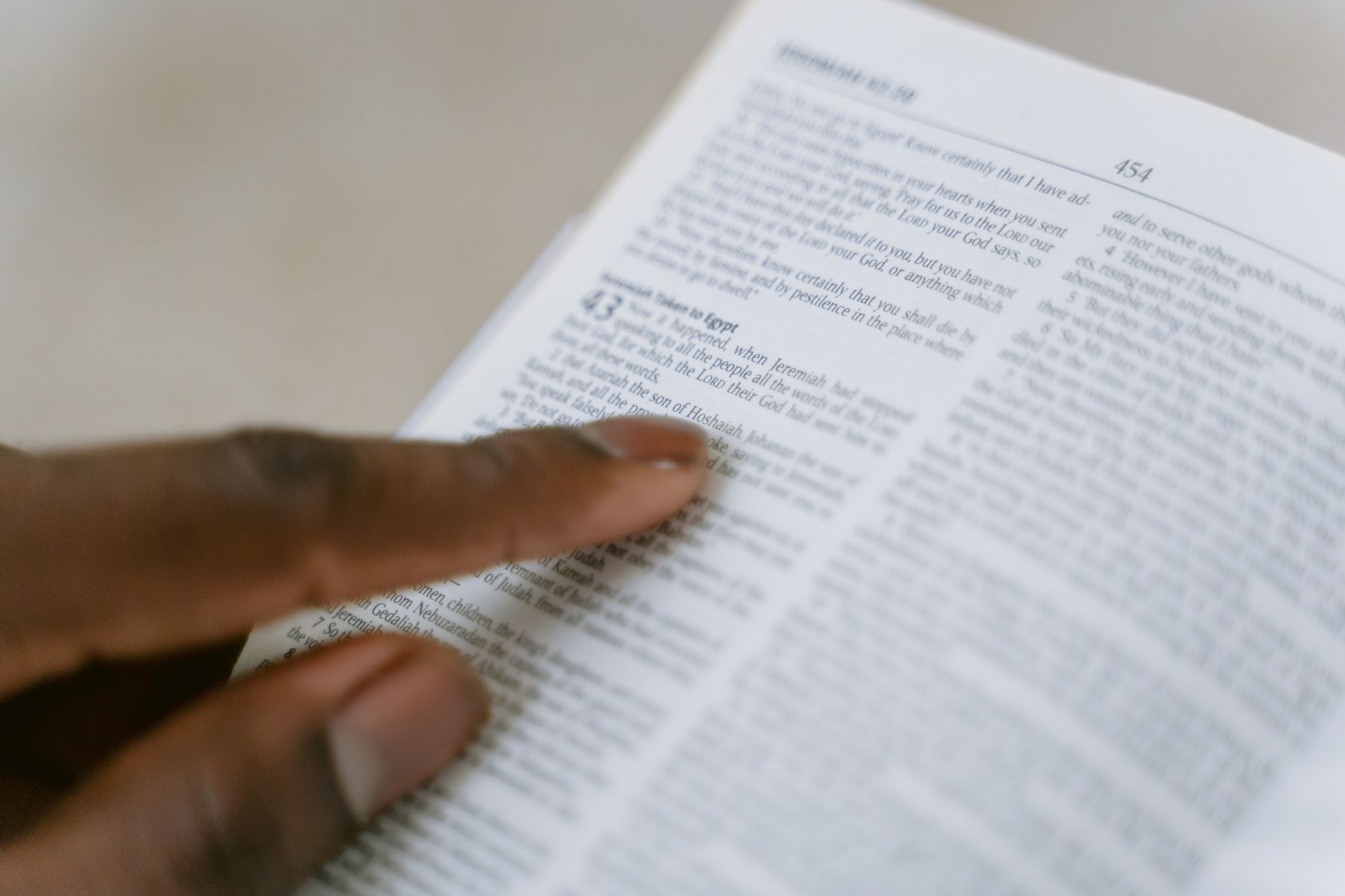
Verses were added centuries later to help readers locate specific passages, not because the authors intended their work to be broken.
The original biblical manuscripts—whether the Hebrew of the Psalms or the Greek of the Epistles—contained no chapter or verse numbers. These were added by medieval scholars like Stephen Langton in the 13th century and Robert Estienne in the 16th century to help academic and pastoral reference. The Bible’s original design was meant for continuous, flowing narrative and reasoned argument.
- Original authors wrote in full letters, poems, and histories.
- Numbering improves our ability to study and share specific locations.
- Verses can sometimes mask the flow of the author’s logic.
How Does Context Change a Verse’s Meaning?
The meaning of any specific Bible verse is defined by the paragraph surrounding it, not by the words found within the isolated sentence.
Ignoring the surrounding context is the primary cause of biblical misunderstanding. For instance, Philippians 4:13—’I can do all things through Christ who gives me strength’—is frequently applied to athletic or career success. However, Paul wrote this specifically in the context of enduring hunger, poverty, and imprisonment for the gospel.
What Is the Danger of Isolating Verses?
Extracting verses from their historical setting can turn the holy text into a mirror for our own desires instead of a lens for God’s truth.
When we treat verses like isolated promises, we run the risk of practicing ‘proof-texting,’ where we cite a verse to support a point the author never intended to make. This often occurs when people approach the Is It a Sin hub or other topical guides without reading the surrounding chapters. Proper interpretation honors the author’s original intent.
How Can I Use Bible Verses in My Life?
You can apply verses effectively by memorizing the principles within them and verifying their meaning within the broader biblical narrative.
Effective application begins with meditation rather than just memorization. The Psalmist describes the blessed person as one who ‘meditates on his law day and night’ (Psalm 1:2). This is not just knowing a verse; it is pondering how the truth of that verse reshapes your worldview.
What Are the Best Methods for Memorization?
Memorizing verses works best when you select themes that address your current season of life rather than memorizing random disconnected lines.
Focusing on entire sections rather than isolated verses helps maintain the original context of the author. If you are learning about faith, consider memorizing a logical progression of verses rather than just one. This builds a mental framework that is resistant to misinterpretation.
- Group verses by biblical themes like grace, repentance, or hope.
- Use digital tools or physical cards for consistent daily review.
- Speak the verses aloud to help anchor them in your mind.
How Do I Apply Verses to Daily Trials?
Application involves aligning your behavior with the principles found in the text after you have confirmed the context of the passage.
When facing difficulty, it is natural to search for verses that offer immediate relief. However, the most life-changing verses are often those that convict us of our need for change. Look at how Biblical Figures dealt with hardship and see if their responses align with the verses you are studying.
What Role Do Translations Play?
Different translations exist because language is nuanced, and choosing a reliable translation helps ensure you grasp the original intended meaning.
I often tell my students that the best translation is the one you will actually read, but comparing two or three can be incredibly clarifying. A formal equivalence translation (like the ESV or NASB) often provides a more rigid structure for deep study. A functional translation (like the NIV) often prioritizes the author’s original meaning in modern phrasing.
How Can I Navigate Common Bible Questions?
You can navigate difficult questions by studying the specific passages that address your concern through reputable and historical resources.
Are Bible Verses Ever Misinterpreted?
Misinterpretation is common when readers prioritize their own experiences or desired outcomes over the original author’s intended communication.
| Common Misuse | Corrective Context |
|---|---|
| Using verses as magic spells | Viewing verses as divine guidance |
| Ignoring the historical audience | Considering the original recipients |
| Selecting only convenient parts | Reading the whole argument |
Where Should I Start Reading?
Start reading by focusing on the Gospels or the Psalms to understand the person of Jesus and the human heart before God.
The Gospels provide the historical and theological foundation for the rest of the New Testament. If you are new to the text, don’t feel pressured to read it linearly from cover to cover. Many find the Gospel of Mark to be a fast-paced, clear introduction to the life and mission of Christ.
How Can I Find More Help?
You can find help by using reliable concordances, commentaries, and by asking mature believers in your community for their insights.
Seeking wisdom from others is a biblical practice that helps prevent personal bias. When you encounter a challenging verse, don’t rush to a conclusion. Take the time to search for how that passage connects to the broader message of Scripture. — Pastor Thomas Whitfield, M.Div.