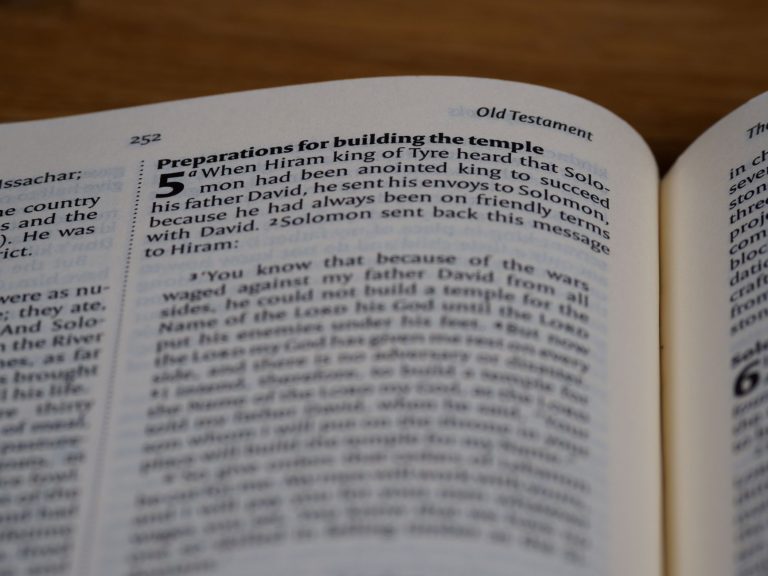
What Does Scripture Explanation Actually Mean in Bible Study?
What Is the Primary Goal of Scripture Explanation?
Scripture explanation is the intentional effort to bridge the gap between ancient historical meaning and contemporary life through careful study.
In 15+ years of teaching, I have observed that most people approach Scripture explanation by looking for a “nugget” of comfort first. We naturally want to know, “What does this mean for me?” before we ask, “What did this mean for them?” This approach often leads to personalizing verses in ways that ignore their original intent. True explanation begins by respecting the author’s voice and the reader’s original context.
Why Does Historical Context Matter in Bible Study?
Historical context reveals the cultural, political, and social landscape of the biblical world to prevent modern misinterpretation of texts.
When you read a prophetic book or an epistle, you are essentially reading someone else’s mail. Without understanding the historical situation, we risk projecting our current cultural assumptions onto the text. For instance, studying the books of the Bible requires understanding why a specific church or nation was being addressed in that specific moment.
- Identify the author and the original audience.
- Note the genre of the text (e.g., poetry, history, or law).
- Research major social conflicts mentioned in the passage.
- Review the geopolitical landscape of the region at the time.
How Do We Use Original Languages Responsibly?
Original language study uses Greek and Hebrew lexicons to clarify meaning without needing a seminary degree for basic daily reading.
You do not need to be a linguist to benefit from the original languages. Resources like Blue Letter Bible allow you to see the Greek or Hebrew root words for yourself. The danger is “word-study fallacy,” where a reader selects one definition of a word from a list that supports their point while ignoring the context. Always check how a word is used elsewhere in the same book or by the same author.
How Do Different Traditions Interpret Scripture?
Different traditions weigh tradition, reason, and personal revelation differently when forming their final explanation of biblical passages.
What Role Does Tradition Play in Interpretation?
Tradition serves as a guide by summarizing the historical consensus of how the church has understood the text throughout the centuries.
We do not read the Bible in a vacuum; we stand on the shoulders of church fathers and reformers. While we should not elevate human tradition to the level of Scripture, it acts as a guardrail. If an explanation of a passage has never been taught in 2,000 years of church history, it is wise to be cautious.
Is Personal Revelation Equal to Biblical Interpretation?
Personal revelation is often an application of the text, but it must always remain subordinate to the clear, objective meaning of the passage.
Many believers conflate the Holy Spirit’s illumination with their own internal thoughts. Illuminating the text means God helps us see what is already there; it does not mean God gives us a secret, subjective meaning hidden from others. If you are struggling with your reading, our guide to what does the Bible say about specific issues can help you find clarity.
How Does Scripture Explanation Lead to Application?
Application is the necessary result of accurate explanation, translating ancient truths into the concrete realities of your current life.
How Do You Distinguish Between Truth and Application?
Universal truths remain constant across time, while applications change depending on your specific circumstances, relationships, and duties.
I often remind students that there is one interpretation but many applications. For example, the command to love your neighbor (Matthew 22:39) is a universal truth. The way you apply that to a difficult coworker in 2026 will look different than how a first-century believer applied it to a Roman centurion. You can explore more about this journey in our section on prayer and faith.
Why Must We Guard Against Subjectivism?
Subjectivism occurs when a reader prioritizes their own feelings or desires over the text, eventually making the reader the final authority.
| Objective Explanation | Subjective Interpretation |
|---|---|
| Based on historical grammar | Based on current emotional state |
| Respects original author’s intent | Focuses on personal convenience |
| Consistent across the whole canon | Contradicts clear biblical teachings |
FAQ: Scripture Explanation and Study
Can a layperson accurately explain Scripture?
Yes, through prayer, careful observation of the text, and the use of reputable study tools, any believer can grow in their ability to explain Scripture accurately.
Do I need an M.Div. to understand the Bible?
No, the essentials of the gospel and the core moral teachings are clear to any diligent reader who relies on the Spirit’s illumination.
How do I know if my explanation is correct?
Check if your explanation aligns with the broader themes of the Bible and if it respects the plain, grammatical meaning of the text.
Why does the Bible sometimes seem contradictory?
The Bible uses various literary genres; apparent contradictions often disappear when we distinguish between descriptive historical accounts and prescriptive moral commands.
Should I use commentaries in my study?
Commentaries are helpful secondary tools, but you should always study the text for yourself before consulting them to avoid lazy interpretation.
What if I disagree with my pastor?
Bring your concerns to them respectfully, using the text itself to discuss where your understanding of the passage diverges.
How does the Holy Spirit help with explanation?
The Spirit opens our hearts to the truth of Scripture, helping us submit our lives to God’s authority rather than helping us invent new meanings.
What is the “plain sense” of the Bible?
The plain sense is the meaning intended by the original author, which is generally accessible to the average reader through careful attention to grammar and context.
Is every verse equally important?
While every verse is inspired, they play different roles; some are foundational for doctrine, while others provide narrative context or moral instruction.
Why do I need to keep reading the whole Bible?
Scripture interprets Scripture; the more you know of the whole canon, the better equipped you are to explain a single, difficult passage.
— Pastor Thomas Whitfield, M.Div.