Book of Exodus Explained: A 2026 Guide to the Narrative of Redemption
The Book of Exodus documents the liberation of Israel from Egyptian slavery and the establishment of the Mosaic covenant, revealing God’s holiness and grace.
Summaries, themes, and practical applications from each book of the Bible
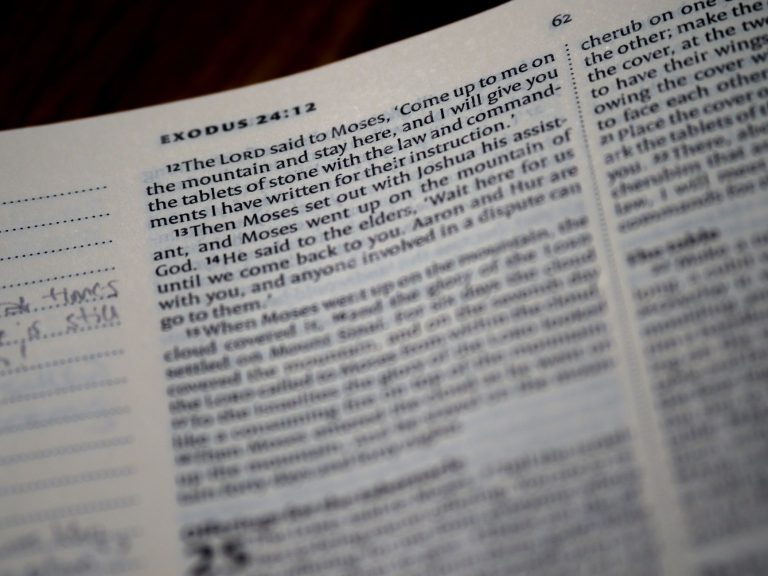
The Book of Exodus documents the liberation of Israel from Egyptian slavery and the establishment of the Mosaic covenant, revealing God’s holiness and grace.

Stephen Langton is credited with the modern chapter system, while Robert Estienne introduced the numbered verses used in the 1551 Greek New Testament.

The Book of Romans is the Apostle Paul’s definitive theological letter, meticulously explaining the doctrine of justification by faith and the life of grace.

The Minor Prophets are 12 distinct books of the Old Testament that provide critical historical and theological insights into God’s relationship with Israel.

The Gospel of John is an invitation to believe that Jesus is the Son of God, written specifically to provide a clear theological case for his divinity.
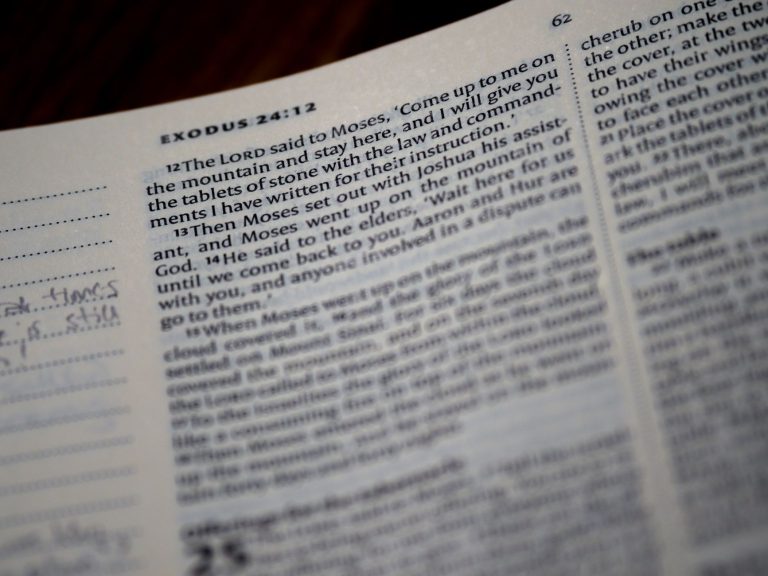
Exodus is the foundational narrative of the Old Testament, detailing God’s rescue of Israel from slavery and the formation of a holy covenant at Sinai.
The book of Genesis is the foundational narrative of the Bible, tracing the origins of the cosmos, humanity, and the covenantal relationship between God and Israel.

The New Testament is the second major division of the Christian Bible, containing 27 books detailing the life of Jesus and the early church foundation.
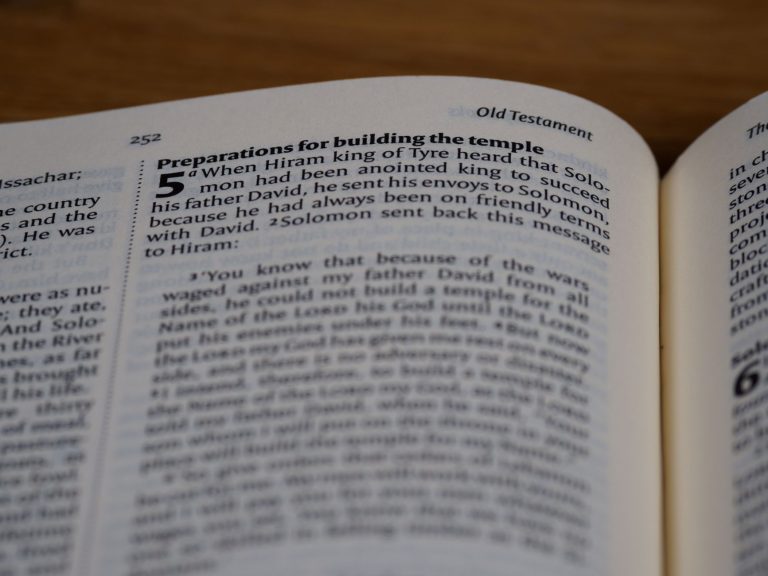
The Old Testament is the first division of the Christian Bible, comprising 39 books that record the history of creation, the covenant with Israel, and prophecy.

The Old Testament represents the foundation of the biblical narrative, detailing God’s work from creation through the centuries preceding Jesus Christ.