What Is the Old Testament and Why Does It Matter Today?
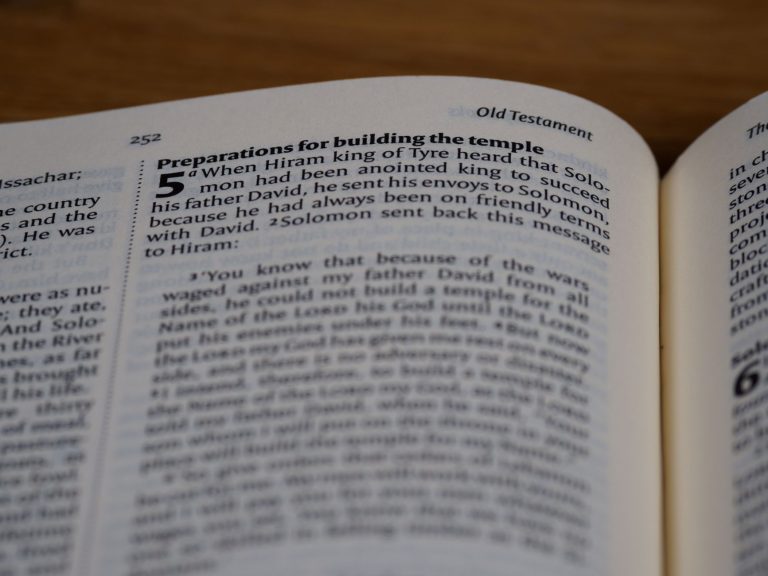
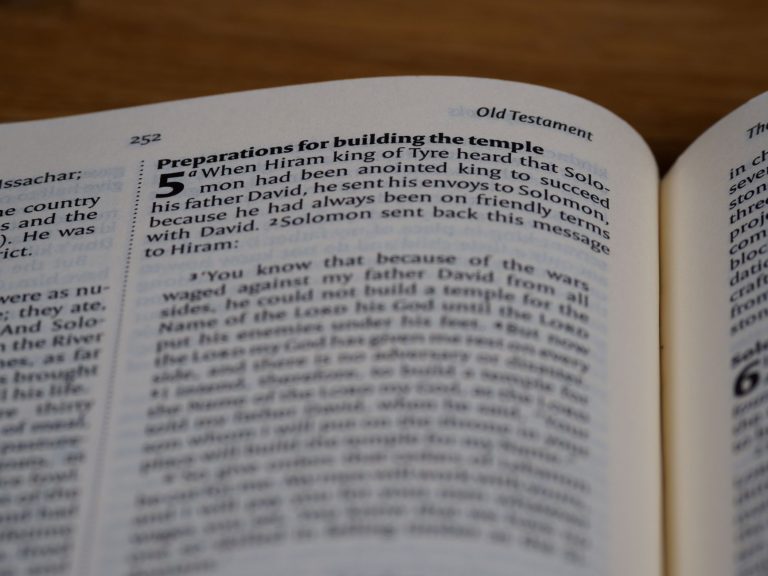
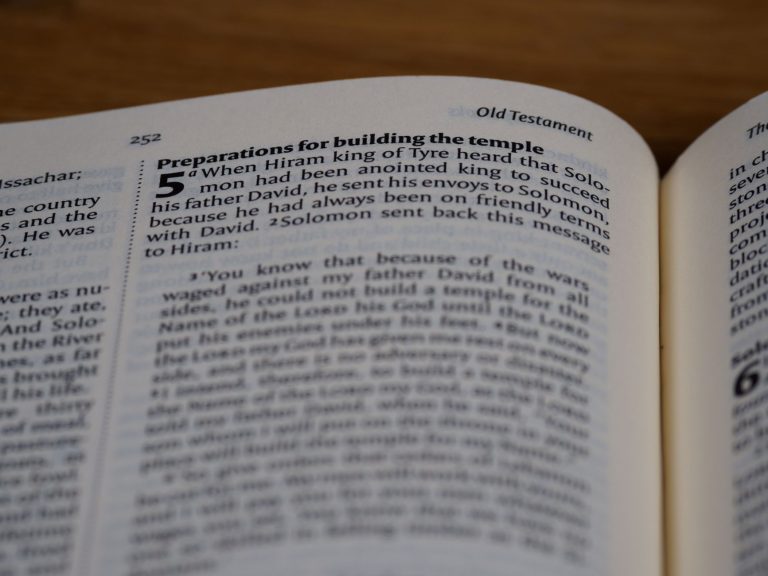
The Old Testament is the first 39 books of the Christian Bible, serving as the foundational record of God’s covenant with Israel and the history of creation. It provides the essential theological and historical context required to understand the ministry, death, and resurrection of Jesus Christ presented in the New Testament.
- Contains 39 distinct books covering over 2,000 years of history.
- Organized into four primary literary categories: Law, History, Poetry, and Prophecy.
- Features over 300 messianic prophecies fulfilled in the life of Jesus.
- Serves as the foundational text for both Judaism and Christianity.
- Recommendation: Read the Old Testament to understand the scope of God’s character.
In fifteen years of teaching this collection, I have noticed a recurring pattern: most readers treat the Old Testament as a collection of disjointed moral tales. In reality, it is a unified narrative arc pointing toward a promised redeemer. That is exactly what this article is going to untangle.
What Are the Major Divisions of the Old Testament?
The Old Testament is divided into four main sections: the Pentateuch, Historical books, Wisdom literature, and the Major and Minor Prophets.
How Is the Pentateuch Structured?
The Pentateuch, or the Torah, consists of the first five books of the Bible, authored by Moses, detailing creation and the Mosaic Law.
These five books establish the foundational history of the world and the covenantal structure of Israel. They move from the cosmic scope of Genesis to the specific legal requirements found in Leviticus and Deuteronomy.
What Do the Historical Books Record?
These twelve books, from Joshua to Esther, document Israel’s conquest of Canaan, the rise of the monarchy, and their eventual exile.
This section provides a stark look at humanity’s cycle of faithfulness and rebellion. For more on how these figures shape our faith, visit our biblical figures hub page.
What Is the Purpose of Wisdom and Prophecy?
Wisdom literature offers practical guidance for godly living, while the prophetic books call Israel to repentance and foretell the Messiah.
- Poetic books: Job through Song of Solomon provide deep emotional and moral reflection.
- Major Prophets: Isaiah through Daniel address national sin and coming restoration.
- Minor Prophets: Hosea through Malachi offer concise warnings and promises of hope.
Why Is the Old Testament Essential for Christians?
The Old Testament establishes the theological necessity for the gospel by revealing God’s holiness and the reality of human sinfulness.
How Does It Predict the Coming Messiah?
Through hundreds of specific prophecies, the Old Testament identifies the lineage, birthplace, and suffering of the promised Savior.
Many respected Bible scholars note that the New Testament would be largely unintelligible without the promises made to Abraham and David. Understanding these themes helps clarify our prayer and faith journey today.
What Can We Learn About God’s Character?
The Old Testament reveals a God who is both perfectly just and relentlessly merciful toward a broken and frequently rebellious people.
How Does It Define Biblical Morality?
It establishes the concept of holiness and provides the framework for understanding why sacrifice and atonement were required for life.
If you have questions about specific moral commands, explore our is it a sin resource hub. The Old Testament does not merely list rules; it reveals the heart of a Creator seeking communion with his creation.
What Are the Most Commonly Asked Questions About the Old Testament?
Readers frequently ask about the Old Testament’s authorship, historical accuracy, and its relevance to modern Christian life today.
Who wrote the first five books?
Tradition and internal evidence identify Moses as the primary author of the Pentateuch, though some sections reflect later editing.
Are the events historically accurate?
Archaeological discoveries consistently support the historical settings and cultural details recorded in the Old Testament narratives.
Why are there so many laws?
The laws served to set Israel apart as a holy nation and to demonstrate the impossibility of achieving righteousness through works alone.
What is the difference between major and minor prophets?
The distinction is based solely on the length of the books, not on their relative importance or the authority of their messages.
Is the Old Testament God different from the New Testament God?
No, the Bible presents a single, consistent character of God who demonstrates both justice and grace throughout the entire canon.
Why do Christians focus on the New Testament?
While Christians emphasize the New Testament’s focus on Jesus, the Old Testament remains the essential foundation for that belief.
How many books are in the Old Testament?
The Protestant Old Testament consists of 39 books, which were canonized based on their prophetic authority and historical reception.
Can I read the Old Testament alone?
It is best read in light of the New Testament, which clarifies how the Old Testament promises find their fulfillment in Jesus Christ.
What does the word “testament” mean?
The term comes from the Latin word for “covenant,” reflecting the formal agreements made between God and his people in history.
How does it connect to the New Testament?
The Old Testament acts as the promise, while the New Testament acts as the fulfillment of God’s redemptive plan for humanity.
How Does the Old Testament Canon Vary Between Traditions?
While Protestants recognize 39 books, Catholic and Orthodox traditions include additional deuterocanonical works, affecting total count and theological emphasis.
The Catholic Old Testament adds seven deuterocanonical books (Tobit, Judith, Wisdom, Sirach, Baruch, and 1 and 2 Maccabees) plus portions of Daniel and Esther, bringing the total to 46 books. The Eastern Orthodox canon includes these plus a few more, such as 3 Maccabees, Psalm 151, and sometimes 4 Maccabees, resulting in up to 49 books depending on the jurisdiction.
These differences stem from varying criteria used in the early church councils and the Jewish Septuagint tradition. Understanding the canon helps explain variations in liturgical readings and doctrinal references across denominations.
| Tradition | Number of Books | Notes |
|---|---|---|
| Protestant | 39 | Hebrew Masoretic Text canon |
| Catholic | 46 | Includes 7 deuterocanonical books |
| Orthodox (Greek) | 49 | Adds 3 Maccabees, Psalm 151, sometimes 4 Maccabees |
— Pastor Thomas Whitfield, M.Div.