Book of Exodus Explained: A 2026 Guide to the Narrative of Redemption
What Is the Fundamental Message of the Book of Exodus?
Exodus recounts how God delivered Israel from Egyptian bondage, established them as a nation through His law, and dwelt among them in a tabernacle.
In fifteen years of teaching this text, I have observed that most readers get lost in the middle chapters of laws, missing the grand narrative. The book is not merely a history of a migration; it is a declaration of God’s nature. It fundamentally answers how a holy God dwells among an imperfect, liberated people.
Why is the Exodus the defining event of the Old Testament?
The Exodus serves as the foundational redemptive act for Israel, providing the imagery for God’s saving power throughout the entire Bible.
The liberation from Egypt is referenced repeatedly by the prophets and in the Psalms. It established the pattern of redemption: God hears the cry of His people, remembers His covenant, and intervenes with mighty power. For a deeper look at how this connects to faith, visit our faith and prayer resources.
Who wrote the Book of Exodus and when?
Moses is the traditional author, writing the events while Israel wandered in the wilderness between 1446 and 1406 BC during the Exodus.
While some modern critics debate the dating, the internal structure points toward a single author who witnessed the events firsthand. The narrative shows a deep familiarity with Egyptian culture and geography of the 15th century BC.
What are the three main geographical divisions in Exodus?
Exodus follows a clear map: the departure from Egypt in chapters 1–18, the giving of the Law at Mount Sinai in 19–24, and tabernacle building.
- Chapters 1–18: The departure from the bondage of Egypt.
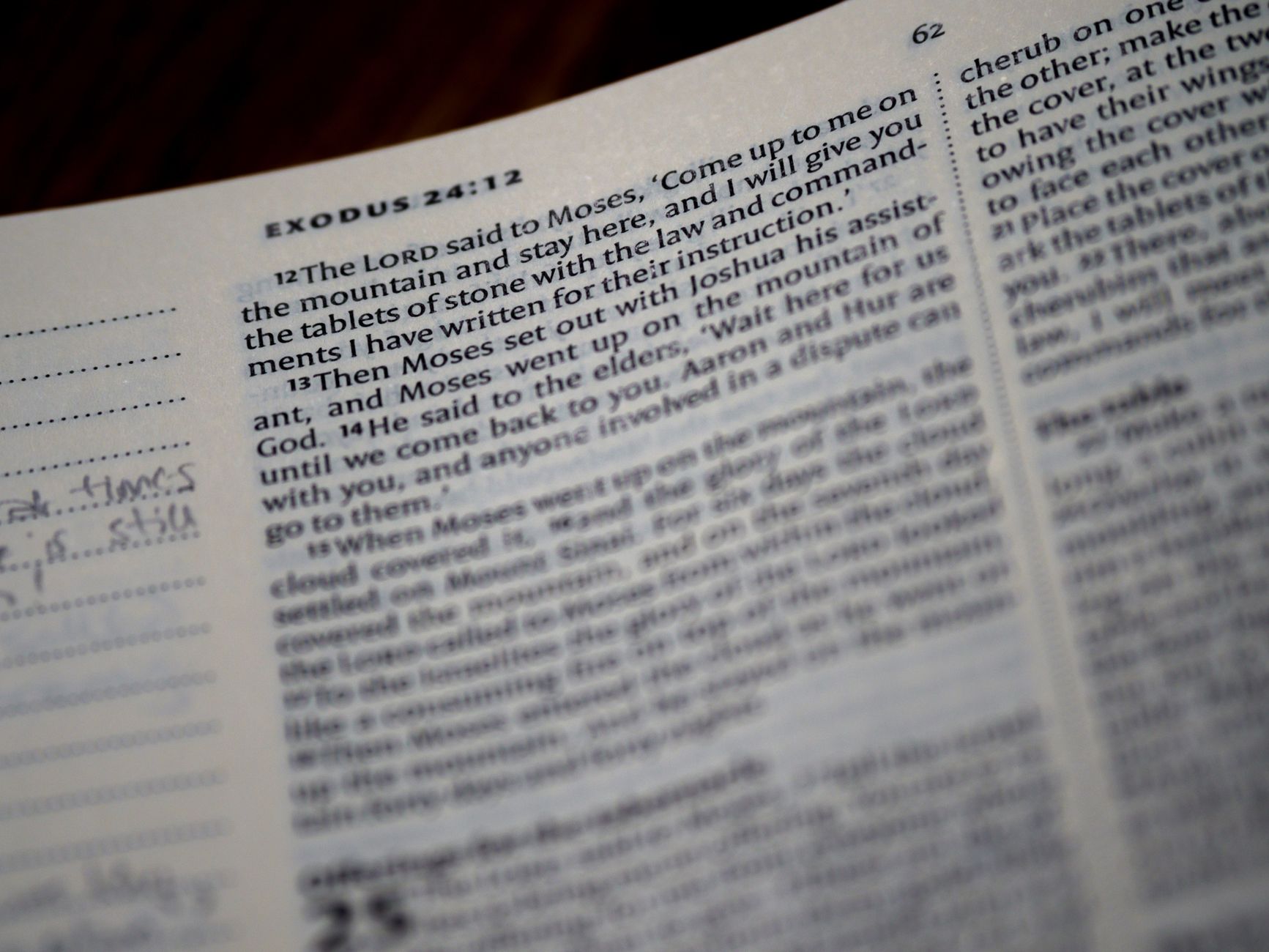
- Chapters 19–24: The covenantal foundation at Mount Sinai.
- Chapters 25–40: The construction of the Tabernacle for God’s presence.
How Does the Narrative of the Ten Plagues Work?
The ten plagues demonstrate the supremacy of Yahweh over the Egyptian gods while systematically stripping Pharaoh of his perceived divinity.
What was the theological purpose of the plagues?
The plagues were not just punishments but divine polemics designed to dismantle the Egyptian pantheon and expose the impotence of their idols.
Each plague targeted a specific deity. For instance, the Nile turning to blood challenged Hapi, the god of the river. You can find more analysis on biblical themes at our Bible study hub.
Why did God harden Pharaoh’s heart?
God hardened Pharaoh’s heart to ensure that His sovereign power and name would be fully declared throughout the earth in His final victory.
This is a challenging aspect of the text. Scholars note that Pharaoh first hardened his own heart, and God subsequently confirmed that direction to fulfill His redemptive purposes.
What is the significance of the Passover?
The Passover lamb provided a substitute sacrifice, allowing death to pass over homes marked by the blood as a sign of the covenant with God.
This event transitioned the Israelites from servitude to freedom. It remains the most important ritual in Israel’s history and finds its ultimate fulfillment in the New Testament.
What Does the Law and Tabernacle Teach Us?
The Law provides the moral framework for a holy people, while the Tabernacle demonstrates the necessity of sacrifice for God to dwell with man.
What are the Ten Commandments?
The Ten Commandments are the core moral obligations that define the life of the covenant community, beginning with the priority of God alone.
- You shall have no other gods before me.
- You shall not make for yourself an idol.
- You shall not misuse the name of the Lord.
- Remember the Sabbath day by keeping it holy.
How do we reconcile the Law with grace?
The Law reveals human inability to meet God’s standard, pointing directly to the necessity of grace and the coming of a final Mediator.
Many theologians observe that the Law was never meant to be a way of earning salvation. Instead, it defines the character of the God who has already saved them. Read more about this distinction on our is it a sin page.
Why did God command the building of the Tabernacle?
The Tabernacle was a tangible dwelling place where the glory of God resided among His people, requiring strict holiness and ritual cleansing.
Every detail, from the curtains to the furniture, was a deliberate shadow of heavenly realities. It taught Israel that proximity to God is a privilege requiring awe.
Frequently Asked Questions
-
Is the Exodus a historical event?
Yes, the narrative aligns with archaeological patterns of 15th-century Egypt, despite the scarcity of direct Egyptian records of the defeat.
-
What happened to the Israelites after Exodus?
They spent forty years wandering in the wilderness due to disobedience before entering the Promised Land under the leadership of Joshua.
-
Why is Exodus important for Christians in 2026?
Exodus prefigures the gospel, showing that God rescues His people from sin and establishes a relationship through a mediator, Jesus Christ.
-
Does Exodus support the idea of a harsh God?
Exodus portrays God’s holiness and justice as necessary counterparts to His mercy in rescuing the oppressed and establishing a covenant.
-
How do I study Exodus effectively?
Study it by observing the narrative’s movement from slavery to salvation, and by tracing how the Tabernacle points toward Jesus as Mediator.
— Pastor Thomas Whitfield, M.Div.