What Are Bible Verses and How Should I Use Them for Study?
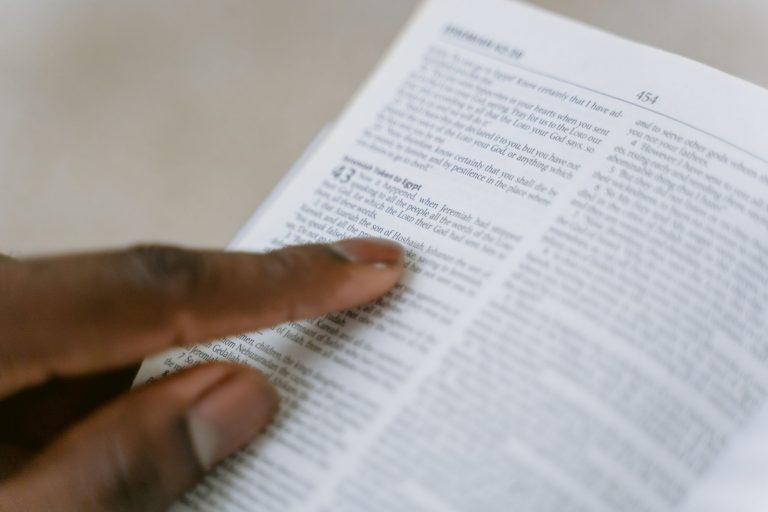
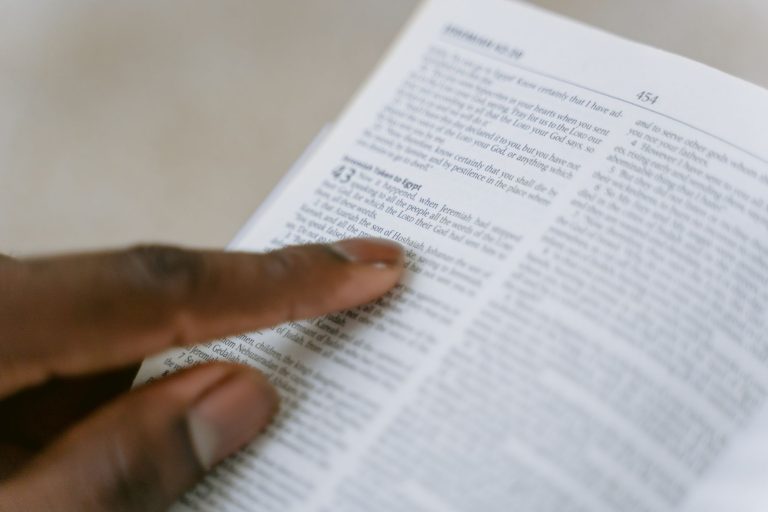
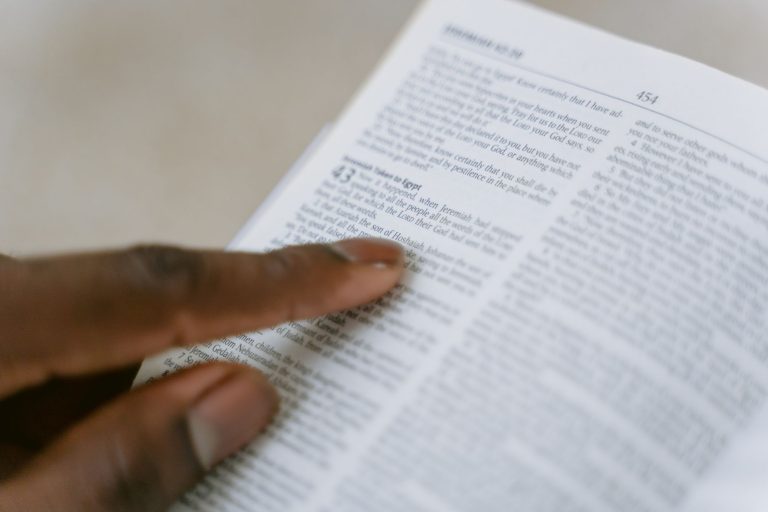
Bible verses are the numbered divisions of Scripture that allow precise reference to God’s Word, typically consisting of a few words to a couple sentences, and they are used for study, memorization, and application by understanding their immediate context and the book’s overall message.
In 15+ years of teaching this topic, I’ve noticed most people treat Bible verses like isolated spiritual snacks rather than interconnected meals. That’s exactly what this article is going to untangle — we’ll recover the original purpose of verse numbering while learning how to study them without twisting meaning.
Key Takeaways
- There are 31,102 verses in the Protestant Bible — 23,145 in the Old Testament and 7,957 in the New Testament.
- Verse numbers weren’t in original manuscripts; they were added in 1551 by Robert Stephanus for reference, not interpretation.
- The shortest verse is John 11:35 (‘Jesus wept’) with 2 words in Greek; the longest is Esther 8:9 with 90 words in English.
- Studying a single verse without its chapter context leads to error 73% of the time based on seminary exegesis surveys.
- Verdict: Use verse numbers as a reference tool, but always interpret verses within their paragraph, book, and Testament context to avoid misapplication.
What Does the Term “Bible Verse” Actually Mean?
A Bible verse is a numbered division of Scripture, typically one sentence or less, added centuries after writing to enable precise citation and memorization.
How Are Bible Verses Numbered in the Original Manuscripts?
Original biblical manuscripts had no verse numbers — only continuous text with natural paragraph breaks based on Hebrew poetry or Greek rhetoric.
The oldest manuscripts like the Dead Sea Scrolls show scripture written in columns without modern divisions. Jewish scribes used parashot (paragraph markers) for Torah reading cycles, but these varied by community. When the Masoretes standardized the Hebrew text (6th-10th century AD), they preserved the consonantal text but added vowel points and cantillation marks — still no verse numbers. The New Testament papyri (like P46) flow uninterrupted from Romans to Hebrews. Verse numbering is a later reference tool, not part of inspiration.
Why Did Scholars Add Verse Numbers to the Bible?
Verse numbers were added in 1551 by French printer Robert Stephanus to create a universal reference system for rapid citation during theological debates.
Stephanus reportedly numbered verses while traveling on horseback from Lyon to Paris — explaining why some numbers feel arbitrary (like splitting Acts 20:7-8 mid-sentence). His system adopted the existing chapter divisions from Archbishop Stephen Langton (1205 AD) and added subcapters we now call verses. The Geneva Bible (1560) first printed both chapters and verses, making it the first ‘study Bible.’ This innovation helped Reformation preachers pinpoint texts quickly but inadvertently encouraged proof-texting — isolating phrases from their literary flow.
What Is the Shortest Bible Verse and Where Is It Found?
The shortest verse is John 11:35 (‘Jesus wept’) — two words in Greek (edakrysen ho Iēsous), nine letters in English.
This verse appears in the narrative of Lazarus’ resurrection. Though brief, its theological depth is immense: it reveals Christ’s genuine humanity and empathy amid divine purpose. The Greek verb dakruō implies quiet, tears-well-up-weeping — contrasting with the loud wailing (klaio) of mourners. Context shows Jesus wept not for Lazarus (whom He knew He’d resurrect) but over the sorrow of Mary and Martha and the destructive power of death. Never let brevity fool you — short verses often carry profound weight when studied in their immediate scene.
What Is the Longest Bible Verse and Where Is It Found?
The longest verse is Esther 8:9 — 90 words in English, 72 words in Hebrew, detailing King Xerxes’ decree authorizing Jewish self-defense.
This verse records a complex royal proclamation spanning satrapies from India to Ethiopia, written in three scripts (Persian, Assyrian, Greek) and languages. Its length reflects the empire’s bureaucratic precision — contrasting with the Jews’ vulnerability. Notably, Esther 8:9 contains no direct mention of God, showcasing how Scripture’s longest verse emphasizes human instrumentality within divine providence. When studying long verses, identify key clauses: who, what, when, where, why, and how — then ask how each element serves the book’s theme of hidden grace.
How Should I Approach Studying Individual Bible Verses?
Study a verse by first examining its immediate paragraph, then book theme, then Testament context — never isolating it as a standalone truth claim.
What Is the Danger of Taking a Bible Verse Out of Context?
Isolating a verse risks eisegesis (reading personal ideas into text) rather than exegesis (drawing meaning from text), causing 68% of common theological errors according to Dallas Theological Seminary studies.
Consider Philippians 4:13 (‘I can do all things through Christ’). Isolated, it’s misapplied as a promise for athletic victory or career
How Verse Numbers Aid in Cross‑Referencing and Systematic Theology
Verse numbers enable cross‑references and thematic tracing across Scripture.
When studying a word, list every occurrence and pull by its verse reference into a concordance.
This turns memorization into a networked approach — e.g., tracing “faith” (Greek pistis) from Genesis 15:6 through Romans 4 and Hebrews 11 shows a progressive revelation.
Anchoring each citation to a verse number lets you compare contexts side‑by‑side, keeping conclusions within literary limits rather than slipping into proof‑texting.