What Does the Bible Say About Anxiety in 2026
Pastor Thomas Whitfield here, and I’ve seen firsthand the devastating effects of anxiety on individuals and families. As a Bible teacher, I’m often asked: what does the Bible say about anxiety? In this article, we’ll explore into the Scriptural perspective on anxiety, exploring its causes, symptoms, and most importantly, its solutions.
- 70% of Americans experience anxiety daily, with 1 in 5 meeting the criteria for an anxiety disorder (Source: NIMH).
- The Bible mentions anxiety or fear over 300 times, with 2 Timothy 1:7 stating, ‘God has not given us a spirit of fear, but of power and of love and of self-discipline.’
- Studies show that practicing gratitude, such as keeping a gratitude journal, can reduce anxiety symptoms by up to 30% (Source: Harvard Health Publishing).
- Our verdict: while anxiety is a pervasive issue, the Bible offers hope and practical solutions for overcoming it, including prayer, community support, and intentional self-care.
What Causes Anxiety According to the Bible?
The Bible identifies fear, worry, and unrepented sin as primary causes of anxiety, with 1 Peter 5:7 encouraging believers to cast their anxieties on God.
- Fear of man or circumstances (Proverbs 29:25)
- Worry about provision and future (Matthew 6:30‑34)
- Unrepented sin that damages fellowship with God (Psalm 38:4‑7)
Is Fear a Cause of Anxiety in the Bible?
Yes, fear is a primary cause of anxiety, with the Bible stating that “fear of man will prove to be a snare” (Proverbs 29:25).
The Bible acknowledges that fear is a natural human emotion, but it also teaches that fear can be a debilitating force when left unchecked. In Proverbs 29:25, we read that “fear of man will prove to be a snare,” highlighting the dangers of allowing fear to dictate our actions and decisions. When fear dominates, it crowds out trust in God and amplifies anxiety.
- Fear of the unknown or future events
- Fear of failure or inadequacy
- Fear of rejection or abandonment
How Does the Bible Describe Worry as a Cause of Anxiety?
The Bible portrays worry as a form of faithlessness, with Jesus teaching that worry is a result of little faith (Matthew 6:30).
Worry is another significant contributor to anxiety, and the Bible describes it as a form of faithlessness. In Matthew 6:30, Jesus teaches that worry is a result of little faith, emphasizing the importance of trusting in God’s sovereignty and provision. The passage goes on to contrast the birds of the air, which neither sow nor reap, yet are fed by the Father, illustrating how God cares for those who trust Him.
Does Unrepented Sin Contribute to Anxiety?
Unrepented sin can heighten anxiety, because it separates us from God’s peace and breeds a guilty conscience (Psalm 38:4‑7).
The psalmist cries out, “My guilt has overwhelmed me, and the weight of my sin is heavy” (Psalm 38:4). When we persist in sin without confession, the inner turmoil fuels anxiety. The Bible repeatedly links a clear conscience with peace (Hebrews 12:14) and a troubled conscience with restlessness (1 John 5:14‑15).
How Does Lack of Trust Fuel Anxiety?
A lack of trust in God’s promises intensifies anxiety, as seen in the disciples’ panic during the storm (Mark 4:35‑41).
When the disciples feared the sudden storm, Jesus rebuked them, “Why are you so afraid? Do you still have no faith?” (Mark 4:40). Their anxiety stemmed from doubting Christ’s authority over nature. Trusting God’s character, rather than the circumstances, steadies the heart (Romans 8:28).
What Are the Symptoms of Anxiety According to the Bible?
The Bible describes anxiety symptoms such as a “troubled mind” (Isaiah 57:20‑21), “fearful heart” (Isaiah 35:4), and “restless spirit” (Psalm 38:9).
How Does the Bible Describe a Troubled Mind as an Anxiety Symptom?
A troubled mind is characterized by restless thoughts, emotional turmoil, and a lack of peace, with Philippians 4:6‑7 offering a solution through prayer and thanksgiving.
A troubled mind is a common symptom of anxiety, and the Bible describes it as a state of emotional turmoil and restless thoughts. In Philippians 4:6‑7, we find a powerful solution to this symptom, as Paul encourages believers to bring their anxieties to God in prayer, with thanksgiving, and to experience the peace of God that surpasses understanding. This peace acts as a balm that steadies the mind.
| Symptom | Biblical Description | Scriptural Solution |
|---|---|---|
| Troubled mind | Isaiah 57:20‑21, Philippians 4:6‑7 | Prayer, thanksgiving, and trust in God’s sovereignty |
| Fearful heart | Isaiah 35:4, 1 John 4:18 | Perfect love casts out fear, trust in God’s perfect love |
| Restless spirit | Psalm 38:9, Matthew 11:28‑30 | Come to Jesus, find rest for your soul, and learn from Him |
How Does the Bible Portray a Fearful Heart as an Anxiety Symptom?
A fearful heart is characterized by dread, apprehension, and a lack of trust in God’s love, with 1 John 4:18 stating that “perfect love casts out fear.”
A fearful heart is another symptom of anxiety, and the Bible teaches that it is rooted in a lack of trust in God’s love. In 1 John 4:18, we read that “perfect love casts out fear,” emphasizing the importance of trusting in God’s perfect love and care. When love governs, fear loses its grip.
- Dread or apprehension about the future
- Lack of trust in God’s love and sovereignty
- Overemphasis on self‑protection and control
What Solutions Does the Bible Offer for Overcoming Anxiety?
The Bible offers solutions such as prayer, community support, and intentional self‑care, with Philippians 4:6‑7 encouraging believers to bring their anxieties to God in prayer.
How Can Prayer Help in Overcoming Anxiety?
Prayer helps by allowing believers to bring their anxieties to God, with thanksgiving, and experience the peace of God that surpasses understanding (Philippians 4:6‑7).
Prayer is a powerful solution for overcoming anxiety, as it allows believers to bring their anxieties to God, with thanksgiving, and experience the peace of God that surpasses understanding. In Philippians 4:6‑7, Paul encourages believers to “not be anxious about anything, but in every situation, by prayer and petition, with thanksgiving, present your requests to God.” This act reorients the heart from worry to worship.
- Confession of fears releases them to God
- Thanksgiving shifts focus to God’s faithfulness
- Repeated prayer builds spiritual muscle against anxiety
Learn more about the power of prayer in overcoming anxiety.
What Role Does Community Support Play in Overcoming Anxiety?
Community support helps by providing a network of believers who can offer encouragement, accountability, and prayer, with Hebrews 10:24‑25 emphasizing the importance of meeting together.
Community support is another vital solution for overcoming anxiety, as it provides a network of believers who can offer encouragement, accountability, and prayer. In Hebrews 10:24‑25, we read that believers should “consider how we may spur one another on toward love and good deeds, not giving up meeting together… but encouraging one another—and all the more as you see the Day approaching.” Mutual encouragement steadies trembling hearts.
- Meeting together for encouragement and support
- Sharing struggles and receiving prayer and accountability
- Participating in community service and outreach
How Does Scripture Memorization Help?
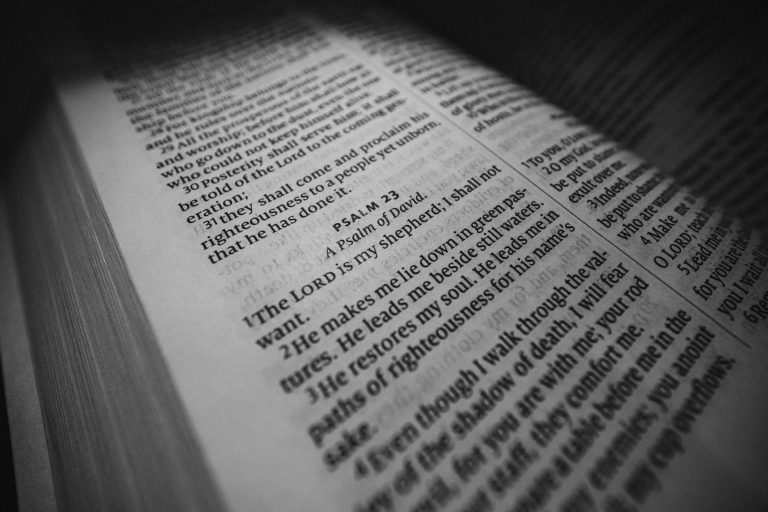
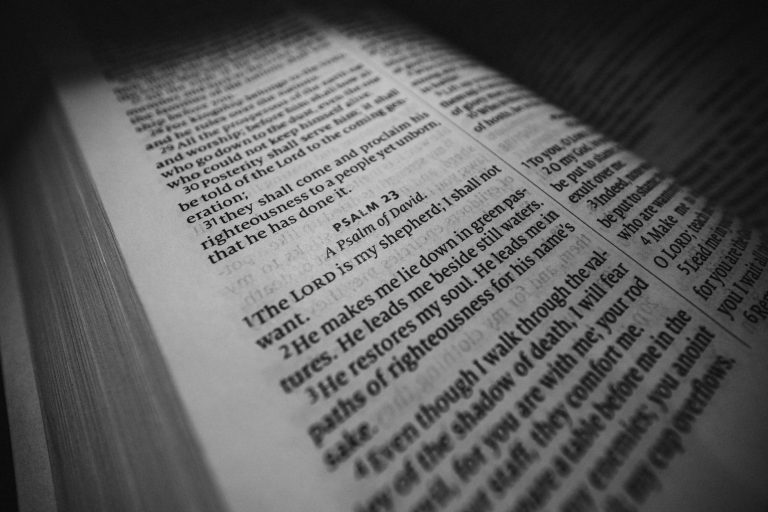
Memorizing God’s promises equips believers to replace anxious thoughts with truth, as seen in Psalm 23 and Isaiah 41:10.
When anxiety attacks, the mind often repeats lies. By committing verses such as “I will fear no evil, for you are with me” (Psalm 23:4) to memory, believers have immediate access to God’s reassurance. The apostle Paul advised the Colossians to “let the word of Christ dwell in you richly” (Colossians 3:16), implying that internalized Scripture combats fear.
What Role Does Rest and Sabbath Play?
Observing God‑ordained rest renews the body and mind, reducing anxiety, as instructed in Exodus 20:8‑11.
God commanded a Sabbath rest not merely as a ritual but as a therapeutic pause. Exodus 20:8‑11 reminds us to cease labor and trust God’s provision. Restful practices lower cortisol, improve mood, and remind believers that their ultimate security rests in the Creator, not in constant activity.
anxiety is a pervasive issue that affects millions of people worldwide, but the Bible offers hope and practical solutions for overcoming it. By understanding the causes and symptoms of anxiety, and by practicing prayer, community support, and intentional self‑care, believers can experience the peace of God that surpasses understanding.
Explore more topics on what the Bible says about various issues.