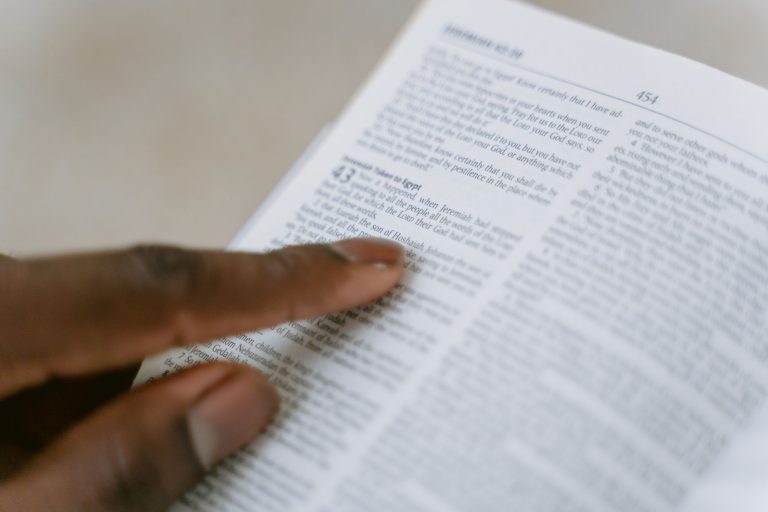
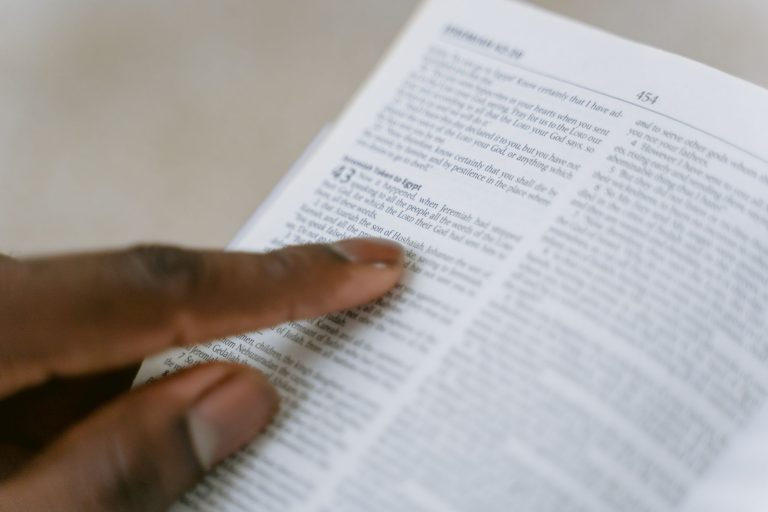
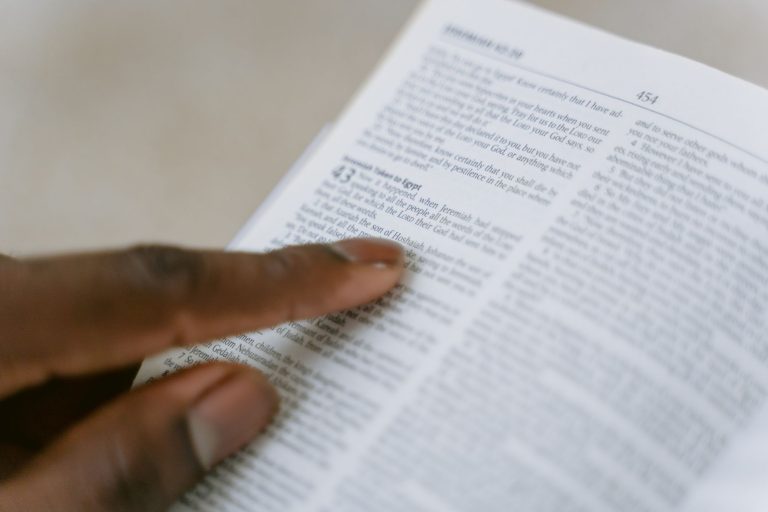
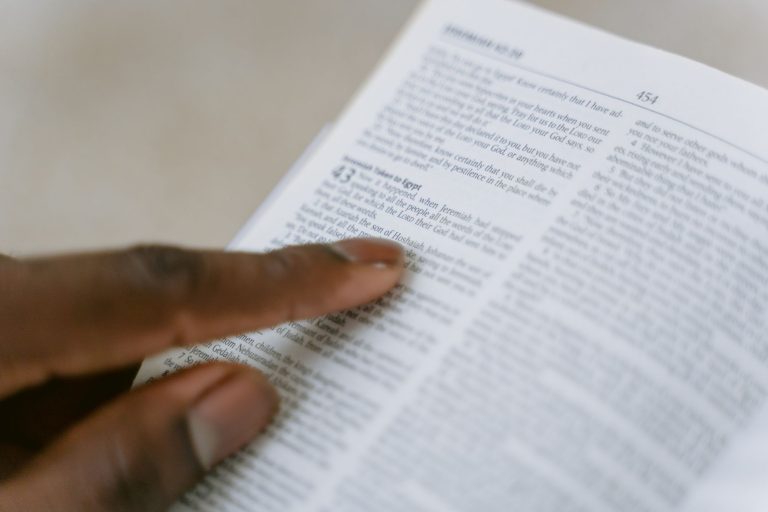
What Are the Most Useful Bible Verses for Beginners?
Bible verses are individual units of text within the sixty-six books of the Bible, traditionally organized by chapter and verse for quick reference and study. For a beginner, selecting the right passages helps clarify the overarching narrative of grace, God’s character, and practical instruction for Christian living.
- There are over 31,000 verses in the standard Protestant Bible, providing a vast resource for study.
- Key passages such as John 3:16 are cited by scholars as a summary of the entire biblical narrative.
- Beginning readers often find the most success by prioritizing the Gospels before moving into deeper theology.
- Regular reading, defined as at least 15 minutes daily, is the recommended path for building biblical literacy.
Why Are Bible Verses Important for Daily Study?
Bible verses serve as accessible entry points into the larger narrative of Scripture, helping believers apply divine wisdom to everyday life.
How Should I Begin Reading the Bible for the First Time?
Start with the Gospel of John to understand Jesus’ ministry, followed by the book of Proverbs for practical wisdom and daily guidance.
In my 15+ years of teaching, I have noticed most people struggle by starting at Genesis and trying to read straight through to Revelation. This often leads to discouragement when hitting the complex legal codes in Leviticus. Instead, focus on books that establish the core identity of the Christian faith.
- John 1:1-14: Introduces the divinity of Christ.
- Proverbs 3:5-6: Provides a template for decision-making.
- Philippians 4:6-7: Offers a practice for dealing with anxiety.
What Are the Most Commonly Cited Verses for Comfort?
The Bible offers specific promises for difficult seasons, with passages like Psalm 23 providing solace to those walking through grief.
When life becomes overwhelming, the Scriptures provide a tether to God’s promises. These verses are not magic charms, but declarations of truth that anchor the soul when emotions are volatile. Understanding the context of prayer and faith is essential here to avoid treating these words as mystical formulas.
| Reference | Primary Theme |
|---|---|
| Psalm 23:1 | Divine Provision |
| Romans 8:28 | Providential Hope |
| Matthew 11:28 | Rest in Christ |
How Can I Understand Difficult Bible Verses?
Understanding difficult verses requires looking at the original author’s intent, the literary genre, and the immediate context of the text.
What Does the Term “Context” Mean in Bible Study?
Context refers to the surrounding verses, the book’s purpose, and the historical audience that the original author intended to address.
I have often found that a verse taken out of context becomes a pretext for a personal opinion. Always read a paragraph before and after the verse you are studying to ensure you are grasping the author’s argument. This method is the primary tool for what does the bible say research.
Why Do Some Verses Seem Conflicting?
Apparent contradictions usually stem from different literary genres, such as the difference between poetic hyperbole and historical narrative.
Scripture uses various styles, including law, history, poetry, and apocalyptic literature. Recognizing these helps you avoid literalizing metaphors or ignoring the specific historical directives given to ancient Israel. If you are struggling with a specific concept, check out our guide on is it a sin to gain clarity on ethical gray areas.
Frequently Asked Questions About Bible Verses
-
Which Bible translation is best for beginners?
The ESV or NIV translations are generally recommended for beginners due to their balance of readability and historical accuracy in translation.
-
How many verses should I read every day?
Quality is more important than quantity; reading one verse meditatively is more beneficial than skimming a whole chapter without reflection.
-
Can I memorize Bible verses without a specific plan?
While possible, using a thematic plan centered on topics like grace or identity helps keep your memorization organized and applicable.
-
Is there a “best” verse for my specific situation?
While no single verse solves every problem, the Psalms are generally the most versatile resource for any emotional state or life situation.
-
Why do verse numbers exist in the Bible?
Verse numbers were added in the 16th century to help easier navigation, referencing, and memorization of the original text.
-
What tools can help me study Bible verses?
Using concordances, cross‑reference guides, Bible apps, and scholarly commentaries can unlock deeper meanings behind individual verses.
A concordance (e.g., Strong’s) lets you locate every occurrence of a Greek or Hebrew word, revealing how a term is used throughout Scripture. Cross‑reference tools in apps like YouVersion or BibleGateway show related passages instantly, helping you see thematic connections without flipping pages.
For more detailed insight, a one‑volume commentary such as the New Bible Commentary offers concise historical and theological notes, while digital libraries like Logos provide searchable access to multiple commentaries, dictionaries, and original‑language resources. Combining these tools with regular reading moves study from surface‑level memorization to informed application.
Effective Practical Memorization Strategies for Bible Verses
Using spaced repetition, visualization, and application helps retain Scripture long‑term daily.
Try the write‑say‑review cycle: write the verse, say it aloud while imagining its context, then review after 1‑day, 3‑day, and 7‑day intervals. Link each verse to a specific action to deepen retention for impact.
As you continue your journey, remember that the goal is not merely to collect verses, but to allow the God of the verses to transform your heart. If you ever feel lost, return to the Gospels, where the life and teachings of Jesus remain the clearest revelation of who God is. — Pastor Thomas Whitfield, M.Div.