What is the Old Testament and How Do We Read It?
What exactly is the Old Testament?
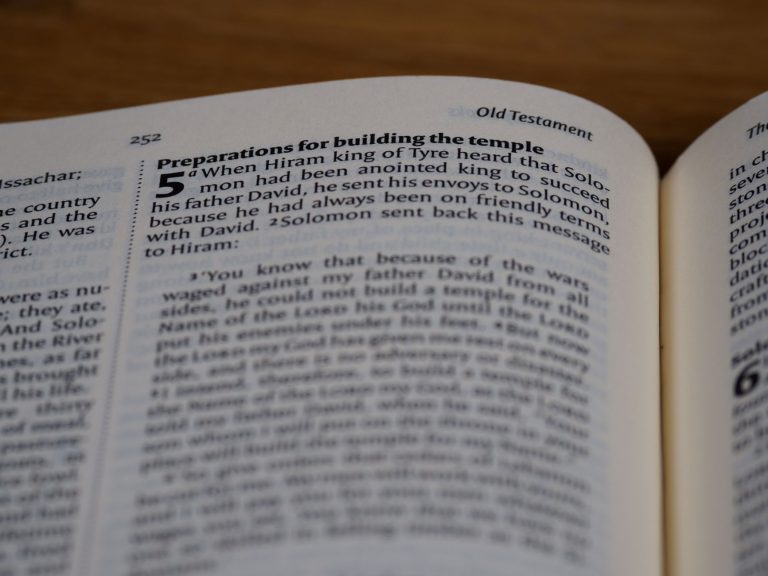
The Old Testament is the 39-book collection of Hebrew scriptures written before Christ, serving as the foundational narrative of divine history.
In 15+ years of teaching these texts, I have noticed a recurring pattern: most people view the Old Testament as an archaic precursor that was replaced by the New Testament. This is a theological error that strips the New Testament of its necessary context. The Old Testament is not a relic; it is the stage upon which the entire drama of redemption is performed.
How is the Old Testament organized?
The Old Testament consists of 39 books divided into the Law, Historical books, Wisdom literature, and the Major and Minor prophetic writings.
These 39 books are not arranged chronologically but rather by genre and theme. This structure, which has roots in the Septuagint, helps us understand how the Israelites preserved their communal memory.
- Pentateuch (Genesis–Deuteronomy): The foundational laws and history.
- Historical Books (Joshua–Esther): The rise and fall of the kingdom.
- Wisdom Literature (Job–Song of Solomon): Reflections on human experience.
- Prophetic Books (Isaiah–Malachi): The call to justice and divine warning.
When was the Old Testament written?
The writing process spanned roughly 1,000 years, beginning with Moses around 1400 BC and concluding with the prophet Malachi in 400 BC.
The transmission of these texts was a meticulous labor of scribal tradition. Scholars often note that the preservation of these manuscripts exceeds that of almost any other ancient literature, including the works of Homer or Plato.
What makes the Old Testament foundational?
The Old Testament establishes the categories of sin, holiness, covenant, and sacrifice, without which the gospel narrative lacks its meaning.
When Jesus taught, he did not come to abolish these scriptures but to fulfill them (Matthew 5:17). You cannot grasp the weight of the cross if you do not understand the system of sacrifices detailed in Leviticus. You can learn more about books of the bible to understand how these themes bridge the two testaments.
How should a Christian read the Old Testament today?
Read the Old Testament as a narrative trajectory pointing toward Christ, while respecting the historical and cultural context of each book.
Why does the original context matter?
Historical context is vital because the original human authors wrote to specific ancient audiences facing real-world geopolitical pressures.
📖 In the Original Context — Pastor Thomas Whitfield
The Hebrew word ‘hesed’—often translated as ‘lovingkindness’ or ‘mercy’—conveys a profound sense of loyal, covenant-keeping love that goes beyond simple affection. It describes God’s unwavering commitment to his people. What this means for you: Your understanding of grace is incomplete without grasping this ancient, stubborn divine loyalty.
How do I handle the difficult laws?
The moral, civil, and ceremonial laws served distinct purposes in antiquity, pointing toward the ultimate holiness realized in the person of Jesus.
Many readers struggle with the harshness of certain commands in the law. However, as scholars like C.S. Lewis noted, these laws were often guardrails to separate Israel from the destructive practices of surrounding pagan cultures. We read these not as direct commands for modern governance, but as revelations of God’s character.
What is the role of the prophets?
The prophets acted as covenant watchmen, calling the nation back to justice and trust in God rather than reliance on political alliances.
Reading the prophets requires us to look past our modern political filters. They were not predicting the future as a parlor trick; they were demanding repentance in the present. You can deepen your study of these themes on our what does the bible say hub page.
Frequently Asked Questions
-
Is the Old Testament God different from the New Testament God?
No, the Bible consistently presents one God who is both perfectly just and perfectly merciful in both testaments.
-
Why are there 39 books in the Protestant canon?
Protestant canons follow the Hebrew Bible’s arrangement, excluding the Apocrypha for canonical authority based on historic consensus.
-
Did Jesus quote the Old Testament?
Yes, Jesus cited the Law, the Psalms, and the Prophets frequently, viewing them as authoritative and descriptive of his own mission.
-
Should I start reading at Genesis?
Genesis is the narrative starting point, but many find success reading a mix of Psalms and Gospels alongside it for balance.
-
What is the most important book in the Old Testament?
While all are inspired, many traditions point to the Pentateuch as the foundation and the Psalms as the heart of personal devotion.
-
Is the Old Testament still binding for believers?
The moral law remains relevant as a reflection of God’s character, though Christians are no longer under the sacrificial code.
-
Where can I learn more about biblical figures?
You can explore the lives of key figures who shaped the covenant narrative on our biblical figures overview page.
-
Are the historical accounts literal history?
The accounts are intended as true records, though the authors use various literary styles to communicate theological meaning.
-
How do I find Christ in the Old Testament?
Look for patterns of deliverance, promises of a coming Messiah, and the ongoing struggle between human failure and divine provision.
-
Is the Old Testament too violent to read?
The violence recorded reflects the reality of a fallen world, but the overarching story moves toward divine peace and final restoration.
The Old Testament is an invitation to understand who God is and how he relates to a broken world. Do not be intimidated by its length; take it one book at a time, keeping your eyes fixed on the trajectory toward the Savior. — Pastor Thomas Whitfield, M.Div.