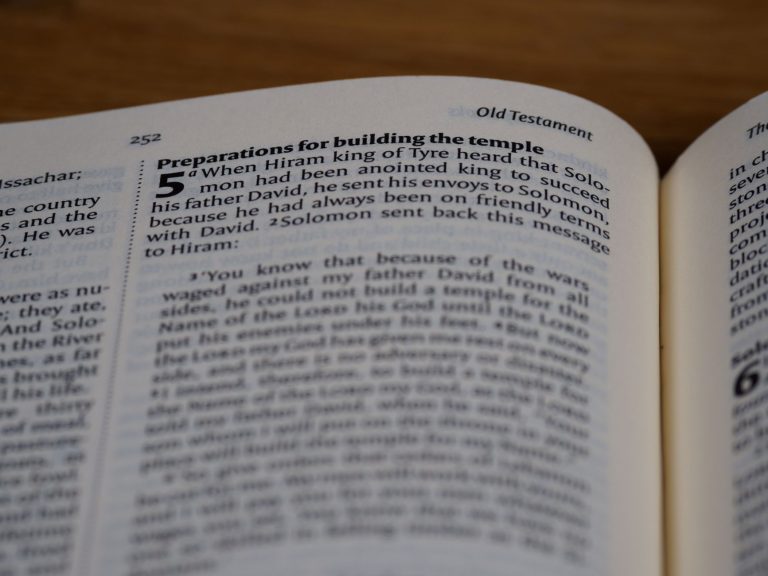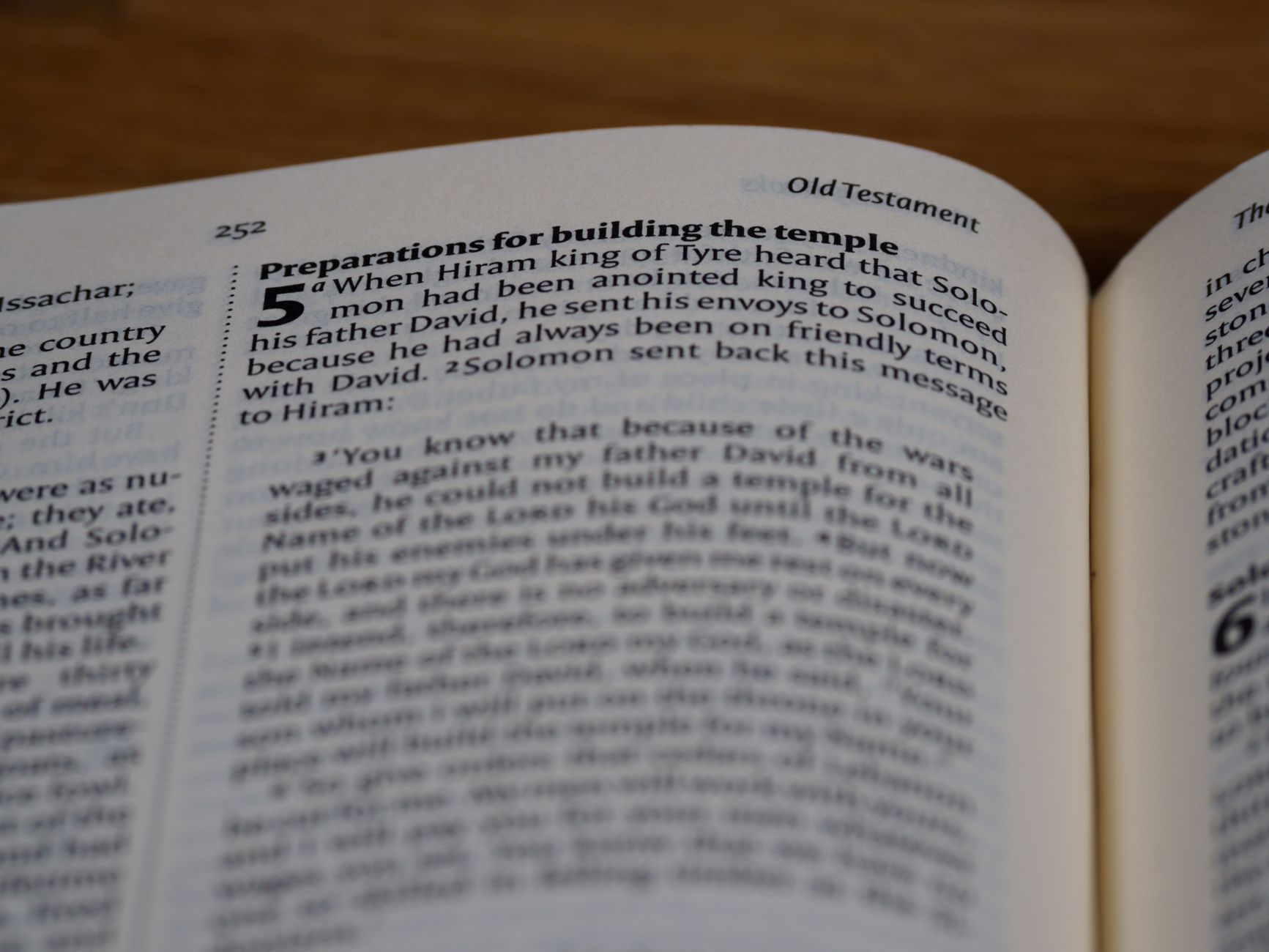
What Is the Old Testament and Why Is It Important?
The Old Testament is the first division of the Christian Bible, comprising 39 books that document the history, laws, and prophetic promises of the ancient covenant between God and Israel. In 15+ years of teaching this collection, I have observed that many readers find it daunting, yet it serves as the essential foundation for understanding the life and mission of Jesus Christ.
- The Old Testament contains 39 books written over approximately 1,000 years.
- It is divided into four main sections: Law, History, Poetry, and Prophets.
- Roughly 2,300 verses in the Old Testament focus on divine provision and moral wisdom.
- The Old Testament remains the primary source of the theological identity for the Church.
What Are the Primary Divisions of the Old Testament?
The Old Testament consists of 39 books categorized into four segments: the Law, History, Poetry, and the Major and Minor Prophets.
How Do the Five Books of the Law Function?
The Law, or Torah, encompasses Genesis through Deuteronomy, detailing creation and the initial covenant relationship between God and Israel.
Known as the Pentateuch, these books provide the foundational narrative for the entire biblical story. They define the moral requirements and the sacrificial system that guided the Hebrew people.
- Genesis: Origins of creation and the patriarchs.
- Exodus: Liberation from Egypt and the giving of the Law.
- Leviticus: Instructions for holiness and ritual purity.
- Numbers: The wilderness journey of the Israelites.
- Deuteronomy: Moses’ final sermons and the call to obedience.
What Is the Scope of the Historical Books?
Twelve historical books trace Israel’s life from entering the Promised Land through the rise and fall of the kingdom and the exile.
These texts narrate the complex relationship between Israel’s political success and their fidelity to the covenant. They offer vital lessons on leadership and faith found in our biblical figures collection.
| Book | Key Focus |
|---|---|
| Joshua | Conquest of Canaan |
| Judges | Cycles of apostasy |
| 1 & 2 Samuel | The rise of monarchy |
Why Is the Old Testament Essential for Christians?
The Old Testament provides the context, vocabulary, and prophetic framework that makes the ministry of Jesus intelligible to believers.
How Does the Old Testament Point to Jesus?
Jesus consistently cited the Hebrew Scriptures to validate his identity as the Messiah and fulfill the promises made to the fathers.
The New Testament is the realization of the shadow cast by the Old. Without the temple imagery and the sacrificial language of the Old Testament, the crucifixion loses its theological depth.
What Is the Role of Old Testament Wisdom?
Books like Proverbs and Ecclesiastes offer timeless guidance on moral living, the fear of God, and navigating the complexities of life.
These writings represent the practical application of the Law in daily life. For more study on how to apply these principles, visit our Christian Living section.
What Are the Frequently Asked Questions About the Old Testament?
-
Who wrote the books of the Old Testament?
Authorship is attributed to various figures, including Moses, David, Solomon, and several prophets, over roughly 1,000 years of history.
-
Is the Old Testament still relevant in 2026?
Yes, the Old Testament remains a vital resource for understanding God’s character and the moral framework of the Christian faith today.
-
Are the laws in the Old Testament binding?
Christians generally view the moral law as reflecting God’s character, while ceremonial laws are fulfilled by the work of Jesus Christ.
-
How many books are in the Old Testament?
There are 39 books in the Protestant canon of the Old Testament, though some traditions include additional books known as the Apocrypha.
-
Why is there so much violence in the Old Testament?
The violence reflects the reality of a fallen world and God’s judgment against nations that opposed His purpose for human flourishing.
-
How does the Old Testament define sin?
Sin is defined as missing the mark of God’s standard, often involving rebellion against His established covenant and moral commands.
-
What is the difference between the Law and the Prophets?
The Law focuses on commandments and covenant statutes, while the Prophets deliver messages of rebuke, repentance, and future hope.
-
Can I understand the New Testament without the Old?
While possible, reading the New Testament without the Old is like reading the final act of a play without understanding the preceding scenes.
-
What does the word “covenant” mean in this context?
A covenant is a formal, binding agreement between God and His people, often sealed by promises, oaths, and sacrificial signs.
-
Where can I find more resources for study?
You can explore our hub pages on Books of the Bible for deeper analysis of individual texts and their contexts.
-
How reliable is the text of the Old Testament?
The Old Testament text is highly reliable, supported by thousands of manuscript copies and the Dead Sea Scrolls that show minimal variation over centuries.
Common questions about the Old Testament often involve its authorship, historical accuracy, and its relationship to the New Testament.
Masoretic Text, the Septuagint, and the Dead Sea Scrolls provide a robust witness, with most differences being minor spelling or grammatical variations that do not affect core doctrines.
Scholars use textual criticism to compare these sources, confirming that the essential message has been faithfully transmitted.
Understanding the Old Testament is a lifelong endeavor that rewards the diligent student with a deeper view of God’s redemptive plan. As you engage with these texts, seek to understand not just the history, but the heartbeat of the Author behind the words. — Pastor Thomas Whitfield, M.Div.