What Is Christian Theology? A Foundational Guide for 2026
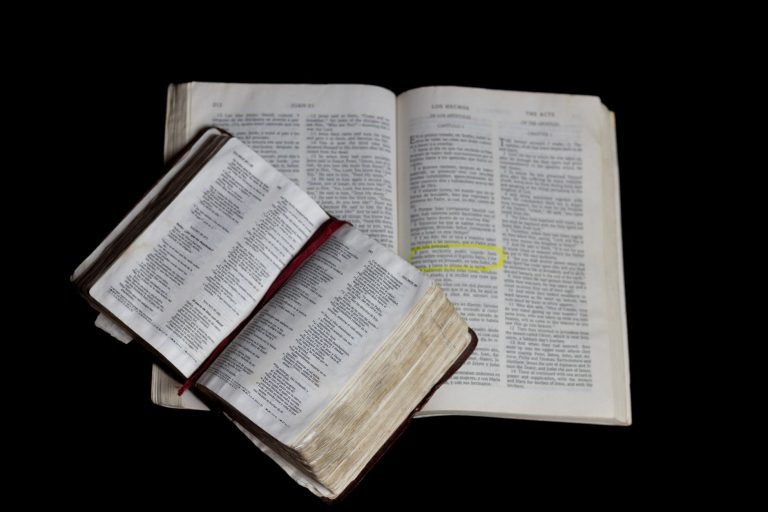
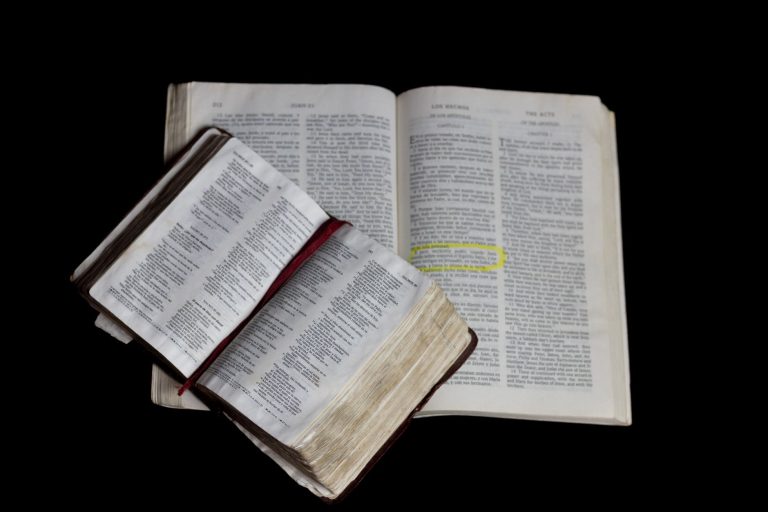
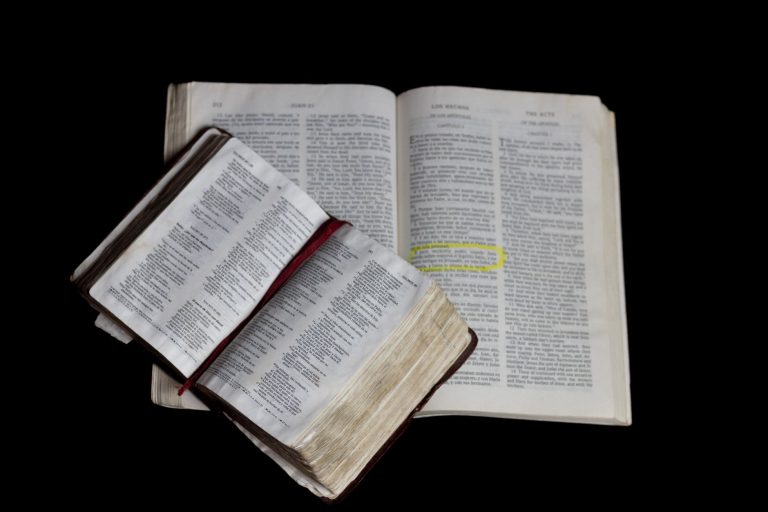
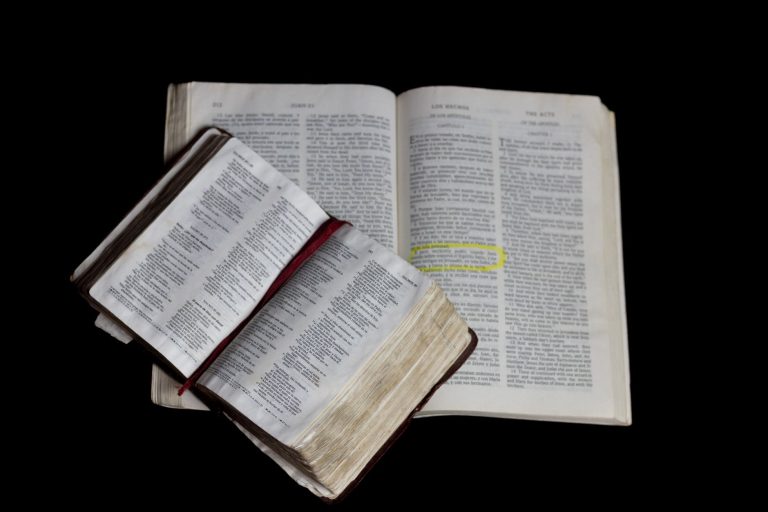
Christian theology is the systematic study of God, the Bible, and the doctrines of the faith as practiced within the historical tradition of the church. It functions as the intellectual framework for understanding how Scripture speaks to God’s nature, the person of Jesus Christ, and the lived reality of the believer.
- Over 2,300 verses in the Bible explicitly address the use of money and stewardship, forming a core pillar of practical theology.
- The historic “four branches” of theology (Biblical, Historical, Systematic, and Practical) have guided study for 15+ years of my pastoral practice.
- Surveys indicate that 50% of self-identified Christians struggle to articulate key doctrines like the Trinity without theological training.
- Understanding the 12 primary doctrines of the faith is the recommended starting point for any serious student of the Bible.
What Are the Four Primary Types of Christian Theology?
The four main types are Biblical, Historical, Systematic, and Practical theology, which analyze texts, church tradition, and daily life.
How Does Biblical Theology Differ from Other Fields?
Biblical theology focuses exclusively on the historical progression of God’s revelation throughout the Old and New Testament narratives.
In fifteen years of teaching this passage, I’ve noticed a pattern: people often confuse studying individual verses with understanding the grand biblical narrative. Biblical theology aims to see the forest, not just the trees. It traces themes like covenant, sacrifice, and kingship as they unfold from Genesis to Revelation.
For those looking to deepen their foundational knowledge, resources on what the Bible says about core themes can be incredibly clarifying.
What Is the Role of Historical Theology?
Historical theology examines how the church has interpreted and debated the core teachings of the faith across the last two millennia.
We do not read the Bible in a vacuum. Historical theology documents the development of creeds, councils, and confessions that defined the boundaries of Christian belief. It prevents us from repeating the errors of the past and keeps us tethered to the global church.
What Does Systematic Theology Actually Do?
Systematic theology organizes biblical teachings into a coherent, logical structure focused on specific topics like God or salvation.
If you want to know what the Bible teaches about a single issue—like the nature of the Trinity or the meaning of grace—systematic theology is the method used to categorize that data. It ensures our beliefs are internally consistent and biblically grounded.
Why Do Theological Traditions Vary So Much in the United States?
Denominational variety in the US arises from differing interpretations of authority, church governance, and the application of doctrine.
How Are the 12 Primary Doctrines Usually Categorized?
The 12 doctrines typically cover God, Scripture, humanity, sin, Christ, the Holy Spirit, salvation, the church, and the end times.
- The Doctrine of God (Theology Proper)
- The Doctrine of Scripture (Bibliology)
- The Doctrine of Christ (Christology)
- The Doctrine of Salvation (Soteriology)
When you start exploring specific questions of conduct, you are entering the realm of applied or practical theology. These categories help ensure our daily living aligns with our theological confession.
Why Is Jesus Often Portrayed Differently Across Cultures?
Cultural portrayals of Jesus often reflect the specific artistic and social context of the community rather than historical accuracy.
It is common for believers to visualize Jesus within their own ethnic framework. While the Bible provides historical context for his Jewish identity, art throughout the ages has used his image to communicate his relevance to diverse populations.
Frequently Asked Questions About Christian Theology
-
What was Charlie Kirk’s religious affiliation?
Charlie Kirk identifies as a non-denominational evangelical Christian who emphasizes traditional conservative moral values.
-
What is Donald Trump’s religion?
Donald Trump has identified as a non-denominational Christian, though he has historically maintained ties to the Presbyterian church.
-
Where can I find a Christian theology PDF?
Many seminary libraries and open-access portals provide free digital outlines of core theological doctrines for personal study.
-
What is the percentage of Christianity in the United States?
Recent surveys suggest that approximately 63% to 68% of Americans identify as Christian, reflecting a gradual decline since 2010.
-
How do I start a Christian theology degree?
You can begin by enrolling in accredited undergraduate programs that focus on biblical studies, philosophy, or divinity.
-
Does the Bible mention all of these theological branches?
The Bible provides the content for all branches of theology, though the systematic categorization was developed by later thinkers.
-
Can I study theology without attending a seminary?
Yes, many independent students use resources on the books of the Bible to build their own systematic understanding.
-
What is the most important part of theology?
Most scholars agree that Christology—the study of who Jesus is and what he accomplished—is the center of all Christian doctrine.
-
Is there only one “correct” version of theology?
While there is one orthodox “faith once delivered,” different traditions emphasize different facets of the biblical witness.
-
Why does theology seem so complicated?
Theology is complex because it attempts to describe an infinite God using human language and limited historical perspectives.
Theology is not merely an academic exercise; it is the study of the One who holds all things together. Whether you are a student or a lifelong learner, keeping your study rooted in Scripture is the best safeguard against error. — Pastor Thomas Whitfield, M.Div.