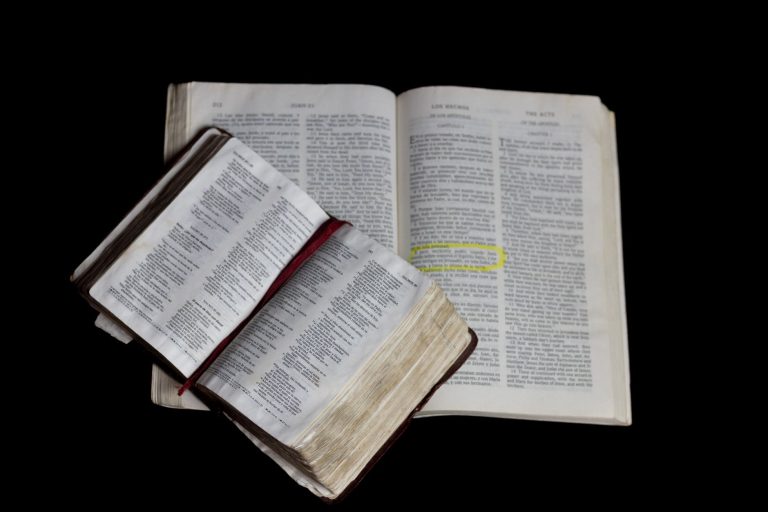
What Is Christian Theology and Why Does It Matter?
What Is Christian Theology and Why Does It Matter?
Christian theology is the systematic study of God and His relationship to humanity and the world as revealed through the Holy Scriptures.
In 15+ years of teaching the faith, I have noticed a recurring pattern: most people confuse theology with academic theory or abstract debate. They assume it is reserved for seminary professors and ivory-tower scholars. Nothing could be further from the truth. Theology is simply the act of thinking about God, and every person who reads the Bible or prays is already a theologian, whether they realize it or not. That is exactly what this article is going to untangle.
- Theology is the study of God, derived from the Greek theos (God) and logos (word/study).
- There are over 4 distinct branches of theology that help organize the 66 books of the Bible.
- Studying theology provides a filter for 100% of the daily ethical decisions a Christian faces.
- The goal of theology is not intellectual pride, but 0% separation between belief and lived obedience.
What Are the Primary Categories of Christian Theology?
Christian theology is traditionally divided into four main branches: exegetical, systematic, historical, and practical, each serving a unique purpose.
How Does Exegetical Theology Interpret Scripture?
Exegetical theology involves the careful study of the original languages and cultural context to extract the author’s intended meaning.
Exegesis is the foundation of all sound doctrine. It requires us to listen to the text rather than projecting our own desires onto it. By using resources like lexicons and commentaries, we ensure we are reading what God actually inspired.
What Is the Focus of Systematic Theology?
Systematic theology organizes the teachings of Scripture into logical categories to explain what the Bible says about a specific topic.
Whether you are exploring the nature of faith or the attributes of God, systematic theology connects the dots. It provides a cohesive framework for understanding complex themes across the entire canon of Scripture.
Why Study Historical Theology?
Historical theology examines how the church has interpreted the Bible and defended the faith throughout the past two millennia.
We do not read the Bible in a vacuum. By looking at the Church Fathers and Reformers, we gain wisdom from those who have faced trials before us. It keeps us from repeating the same interpretive errors of the past.
What Is Practical Theology?
Practical theology translates biblical truth into everyday life, addressing how we should live, pray, and serve in our communities.
Theology is useless if it remains in our heads and never touches our hands. It moves from doctrine to devotion, guiding our relationships, our work, and our stewardship of time and resources.
How Does Theology Apply to My Daily Life?
Theology acts as an internal compass, ensuring that our daily choices and moral judgments align with the nature and commands of God.
Is It a Sin to Ignore Theology?
Ignoring theology is not necessarily a sin, but it is deeply unwise, as it leaves you vulnerable to false teaching and confusion.
Just as a driver needs a map to reach a destination, a Christian needs theology to navigate life. Without it, you are susceptible to whatever is popular in the culture rather than what is true in the Word. You can learn more about the boundaries of sin as you deepen your study.
How Does Theology Prevent Misinterpretation?
Theology provides a biblical framework that stops us from taking single verses out of context to support an unbiblical worldview.
Many common errors stem from reading a verse in isolation. Theology teaches us to compare Scripture with Scripture, ensuring that our conclusions do not contradict the broader revelation of God’s character.
Frequently Asked Questions About Theology
-
Is theology just for pastors?
No, theology is for every believer. If you are a follower of Christ, you are called to love God with all your mind (Matthew 22:37).
-
What is the difference between doctrine and theology?
Theology is the process of study; doctrine is the formal summary of the truths that study produces.
-
Does theology cause division?
While prideful arguments can cause division, true theology humbles us and points us toward the unity found in the Gospel.
-
Where should a beginner start with theology?
Start with systematic studies on the person and work of Jesus Christ, as He is the center of all Scripture.
-
Are there different schools of theology?
Yes, traditions like Reformed, Wesleyan, and others emphasize different aspects of scripture, yet they all share the core tenets of the Christian faith.
-
Can I study theology without going to seminary?
Absolutely. While seminary offers tools, diligent personal study, sound books, and local church discipleship are sufficient for a strong foundation.
-
What is the role of the Holy Spirit in theology?
The Spirit is the internal teacher who illuminates the Word of God, helping us understand and apply it to our hearts.
-
Is systematic theology better than reading the Bible directly?
Systematic theology is a supplement, not a replacement. It helps you understand the Bible; it never replaces the authority of the text itself.
-
Why is historical theology important?
It provides a “cloud of witnesses” that prevents us from falling into modern heresies that have already been debunked in church history.
-
Does theology make faith less spiritual?
On the contrary, the more you know about God’s holiness, love, and sovereignty, the deeper and more authentic your worship becomes.
Christian theology is not an intellectual hobby. It is the necessary, lifelong pursuit of knowing the Creator who has revealed Himself in Jesus Christ. My prayer is that you engage with these truths not just for knowledge, but for transformation.
— Pastor Thomas Whitfield, M.Div.
Last Updated: 2026-07-07