What Is Christian Theology and Why Does It Matter?
What Is the Definition of Christian Theology?
Christian theology is the systematic and rational study of God, his nature, his works, and the biblical revelation concerning human existence.
In fifteen years of teaching, I have found that many Christians view theology as an abstract, academic pursuit meant only for seminary classrooms. In reality, theology is unavoidable; everyone who holds a belief about God is practicing a form of theology. The term itself combines the Greek words theos (God) and logos (word or study), meaning literally “the study of God.”
What Is the Primary Source of Christian Theology?
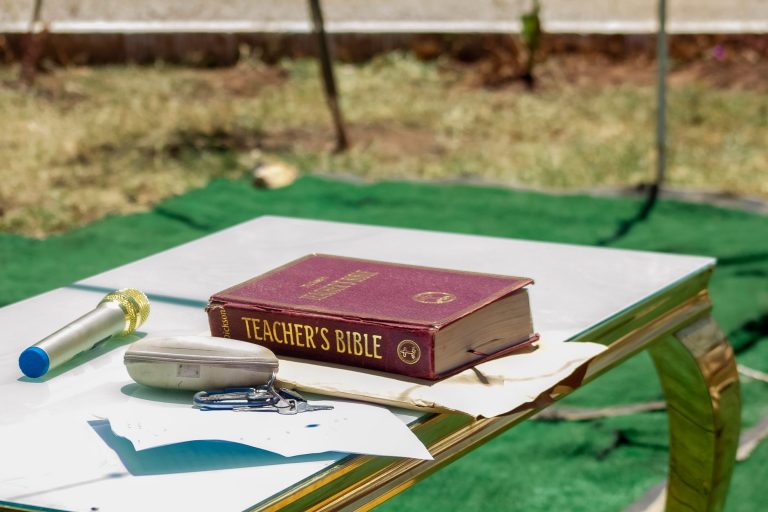
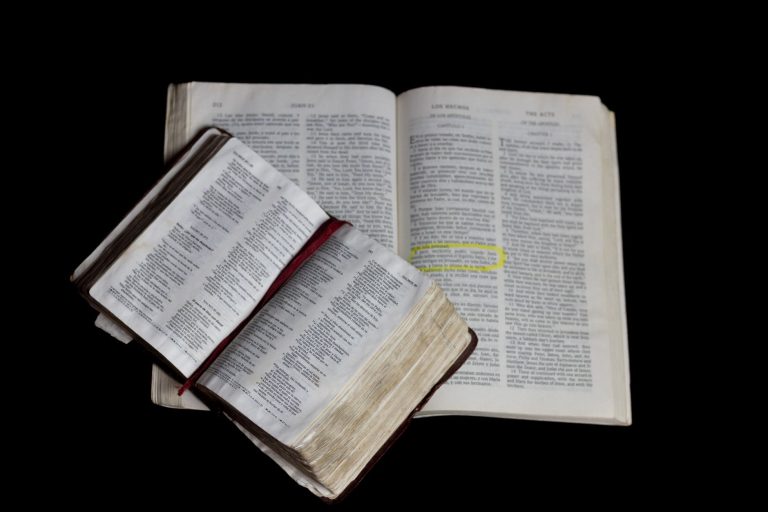
The Bible serves as the primary and authoritative source for Christian theology, functioning as the ultimate test for all spiritual claims.
Christian theology relies on the conviction that God has spoken clearly through his Word. While we see God’s general revelation in creation, Scripture provides the specific knowledge necessary for salvation and life. As 2 Timothy 3:16 reminds us, all Scripture is “God-breathed” and profitable for instruction.
- The Old Testament provides the historical foundation and covenantal framework.
- The New Testament interprets these foundations through the life of Jesus Christ.
- The canonical books together form a cohesive narrative of redemption.
- Tradition and reason serve as secondary tools, but never replace the biblical text.
Is Theology Just for Scholars and Pastors?
Theology is not reserved for experts but is the essential daily practice of every believer who seeks to understand their faith and Creator.
If you think about God, you are doing theology. Whether you are reflecting on a promise in the Psalms or wrestling with a difficult life circumstance, you are engaging with divine truth. Our scriptural understanding directly impacts how we respond to the world.
How Is Christian Theology Organized?
Theology is organized into distinct categories to help believers systematically understand the breadth and depth of biblical revelation.
What Is Systematic Theology?
Systematic theology arranges biblical teachings by topic to create a coherent framework for understanding the entirety of Christian doctrine.
Systematic theology organizes the truths of Scripture into manageable categories such as the nature of God, the person of Christ, and the nature of the church. This method helps us avoid taking verses out of context by ensuring our conclusions harmonize with the whole of Scripture. It provides a map for the vast terrain of biblical thought.
| Category | Focus Area |
|---|---|
| Theology Proper | The nature and attributes of God |
| Christology | The person and work of Jesus Christ |
| Pneumatology | The person and work of the Holy Spirit |
| Eschatology | The study of last things and the future |
What Is Biblical Theology?
Biblical theology traces the development of God’s redemptive plan chronologically and thematically through the historical narrative of the Bible.
While systematic theology looks at topics, biblical theology looks at the story. It examines how themes like grace, covenant, and kingdom progress from Genesis to Revelation. This approach is essential for understanding how the Old Testament points forward to the fulfillment found in Christ.
Why Does Studying Theology Matter Today?
Theological study matters because our beliefs about God dictate our character, our values, and our response to the challenges of modern life.
How Does Theology Prevent Religious Error?
Solid theological grounding protects the church from cultural trends and false teachings by measuring every claim against apostolic truth.
History shows that when churches drift from biblical theology, they often adopt the values of the surrounding culture. Without a deep understanding of what Scripture says, it is easy to mistake worldly sentiment for divine truth. Theology acts as an anchor in shifting times.
What Is the Relationship Between Theology and Character?
Correct theology serves as the foundation for godly character, as we cannot truly emulate a God whose nature we do not understand or study.
Truth is not just for the intellect; it is for the heart. We are transformed by the renewal of our minds, which means our thoughts about God determine the shape of our lives. A theology that does not lead to worship or obedience is incomplete.
Frequently Asked Questions About Theology
-
Is it a sin to study theology instead of just praying?
No, studying God is an act of worship that informs and enriches prayer, as it provides the biblical content that guides our hearts toward Him.
-
Are all theological traditions the same?
No, while Christians agree on core doctrines like the Trinity, traditions differ on secondary issues like church governance and baptism.
-
How should I begin studying theology as a beginner?
Start by reading through the Gospels and a reputable systematic theology textbook to gain both narrative and categorical perspective.
The following questions address common inquiries regarding the study of God, the role of reason, and the practical application of theology.
In all my years of ministry, I have seen that the most stable believers are those who anchor their lives in the study of Scripture. Theology is not a barrier to faith; it is the path to a deeper, more resilient trust in the God who revealed himself to us. — Pastor Thomas Whitfield, M.Div.