What Does Psalm 23 Teach Us About God’s Care?
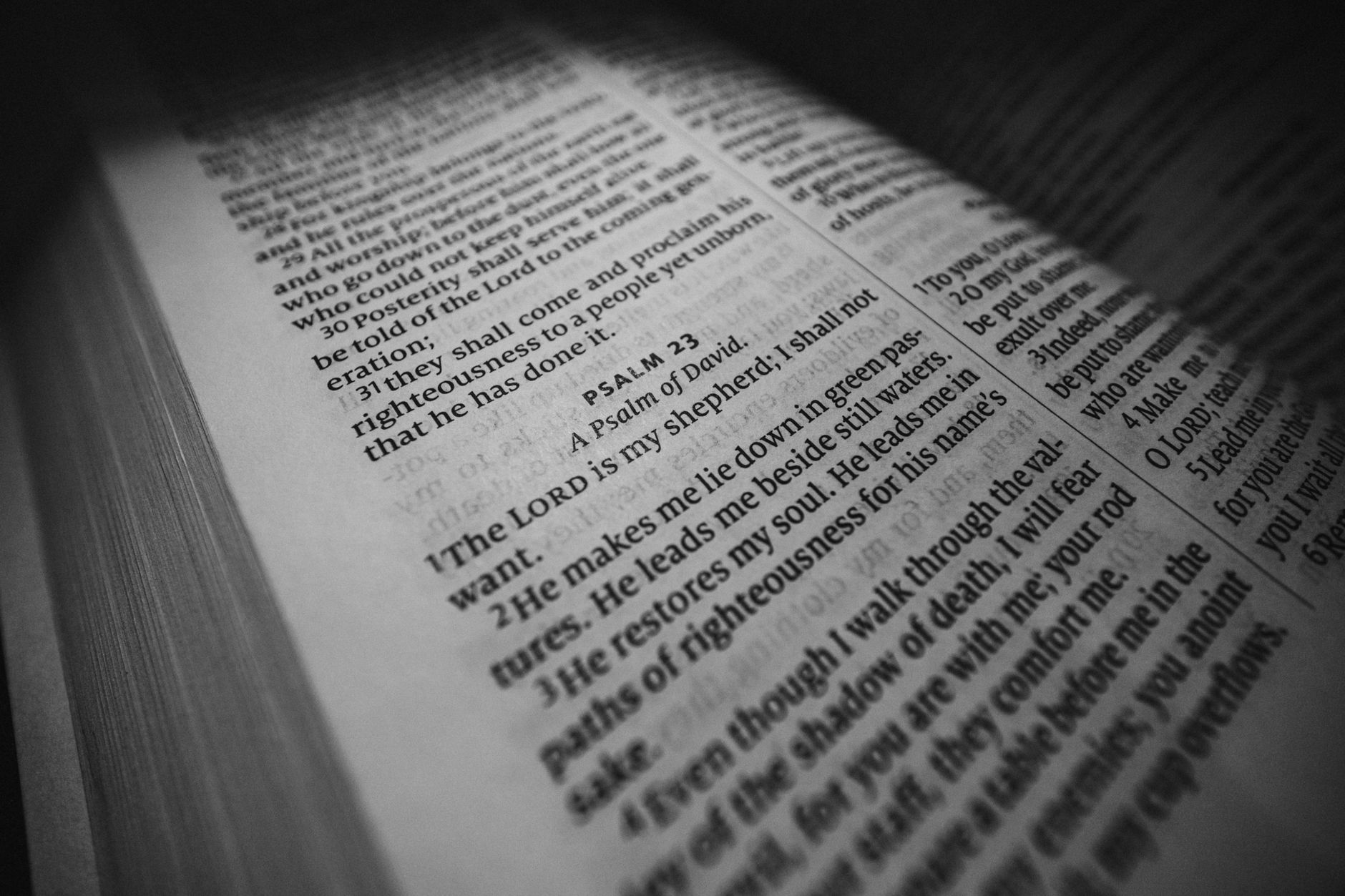
Psalm 23 is a poetic declaration of God’s sufficiency, using the metaphor of a shepherd to describe His intimate guidance, protection, and provision. In 15+ years of teaching this passage, I have noticed that most people treat it as a funeral poem, yet its true power lies in how it frames daily life under God’s authority. It is not just a comfort for the end; it is a framework for the journey. That is exactly what this article is going to untangle.
- Psalm 23 contains exactly 6 verses that encapsulate the entire experience of faith.
- The term ‘shepherd’ appears as the defining metaphor for God’s relationship with the believer.
- God’s promise of ‘goodness and mercy’ is described as following the believer for all their days.
- The text confirms that God’s presence is the primary solution to the fear of death.
Why Is the Shepherding Metaphor Central to Psalm 23?
The shepherd metaphor depicts God as a personal, vigilant provider who knows His sheep by name and leads them toward their best interests.
What Does “The Lord is my shepherd” imply for my identity?
It means you are under the ownership, protection, and active care of the Creator, removing the need to find your worth in external things.
To call the Lord a shepherd is to reject the idea of autonomy. In the ancient Near East, a shepherd was everything to a flock—a guardian, a provider, and a constant companion.
When you align your life with the teachings in our prayer and faith pillar, you recognize that you are not self-sufficient. You are dependent, and that dependency is where your security is found.
How does a shepherd provide for his sheep?
A shepherd provides by scouting safe paths, finding fresh water sources, and protecting the flock from external predators and dangers.
- He leads to green pastures for daily sustenance.
- He finds quiet waters to ensure restful hydration.
- He restores the soul by removing the weight of wandering.
- He guards with rod and staff against encroaching threats.
How Does God Guide Us Through Difficult Times?
God guides through valleys by being physically present, using His rod and staff to provide comfort, direction, and defense against evil.
Why must we walk through the valley of the shadow of death?
The valley represents necessary seasons of transition and testing where growth occurs and where trust in God’s presence is tested.
The Hebrew word often translated as “valley of the shadow of death” refers to deep, dark ravines. It is a place of vulnerability where shadows can easily be mistaken for threats.
It is important to remember that the Shepherd does not leave the sheep there. The promise is that we walk through it, not that we stay there forever.
What are the “rod” and “staff” mentioned in verse 4?
The rod is a tool of protection and discipline, while the staff is used for guiding the sheep and gently pulling them back to safety.
- The rod ensures that enemies are kept at a distance.
- The staff offers tactile assurance that the Shepherd is near.
- Both tools serve to correct the sheep when they begin to stray.
- These symbols remind us that God’s authority is inherently restorative.
What Do Different Traditions Say About This Psalm?
Theological traditions debate whether the psalm focuses on communal security or the intensely personal, intimate walk of an individual soul.
How is the psalm interpreted in Jewish liturgy?
It is traditionally recited during the third meal of the Sabbath, emphasizing God’s role as the sustainer of His people throughout all history.
Jewish tradition often links the table prepared in the presence of enemies to the concept of God’s table in the messianic age. It is a sign of ultimate victory over those who oppose God’s people.
If you want to read more about how scripture is interpreted, visit our scripture hub page for further study.
What is the Christian emphasis on this text?
Christianity reads the shepherd imagery through the lens of Jesus in John 10, identifying Him as the Good Shepherd who lays down His life.
- The emphasis is on the sacrificial nature of the Shepherd.
- The “house of the Lord” is viewed as both present communion and eternal union.
- It is commonly studied alongside our is it a sin theological resources.
Frequently Asked Questions About Psalm 23
-
Is Psalm 23 only meant for funerals?
No, it is a prayer for daily life, covering needs, guidance, protection, and assurance in the presence of God.
-
Who wrote Psalm 23?
King David, the former shepherd boy, wrote this psalm based on his own experience with both shepherding and being shepherded by God.
-
What does “anoint my head with oil” mean?
It symbolizes hospitality, healing, and being set apart by God for a specific purpose or status of blessing.
-
What does “my cup overflows” represent?
It indicates God’s provision is not merely sufficient but abundant and generous, exceeding all basic requirements.
-
Is the Shepherd a metaphor for Jesus?
Yes, the New Testament explicitly connects the imagery of the Good Shepherd to the ministry and identity of Jesus Christ.
-
What if I don’t feel like the Lord is my shepherd?
Scripture is based on truth rather than feeling; the Shepherd’s commitment to you remains regardless of your current emotional state.
-
Why does the psalm mention enemies?
It highlights that God’s blessing and table occur right in the middle of a fallen world, proving His power exceeds all human opposition.
-
Does “goodness and mercy” follow me?
Yes, it implies that these divine attributes are actively pursuing you as you live your life under God’s guidance.
-
Can I pray Psalm 23 as a personal prayer?
Absolutely, it is one of the most effective prayers for centering your life on God’s provision and calming personal anxiety.
-
How long is Psalm 23?
It consists of exactly six verses, making it one of the most concise and memorized passages in the entire Bible.
— Pastor Thomas Whitfield, M.Div.