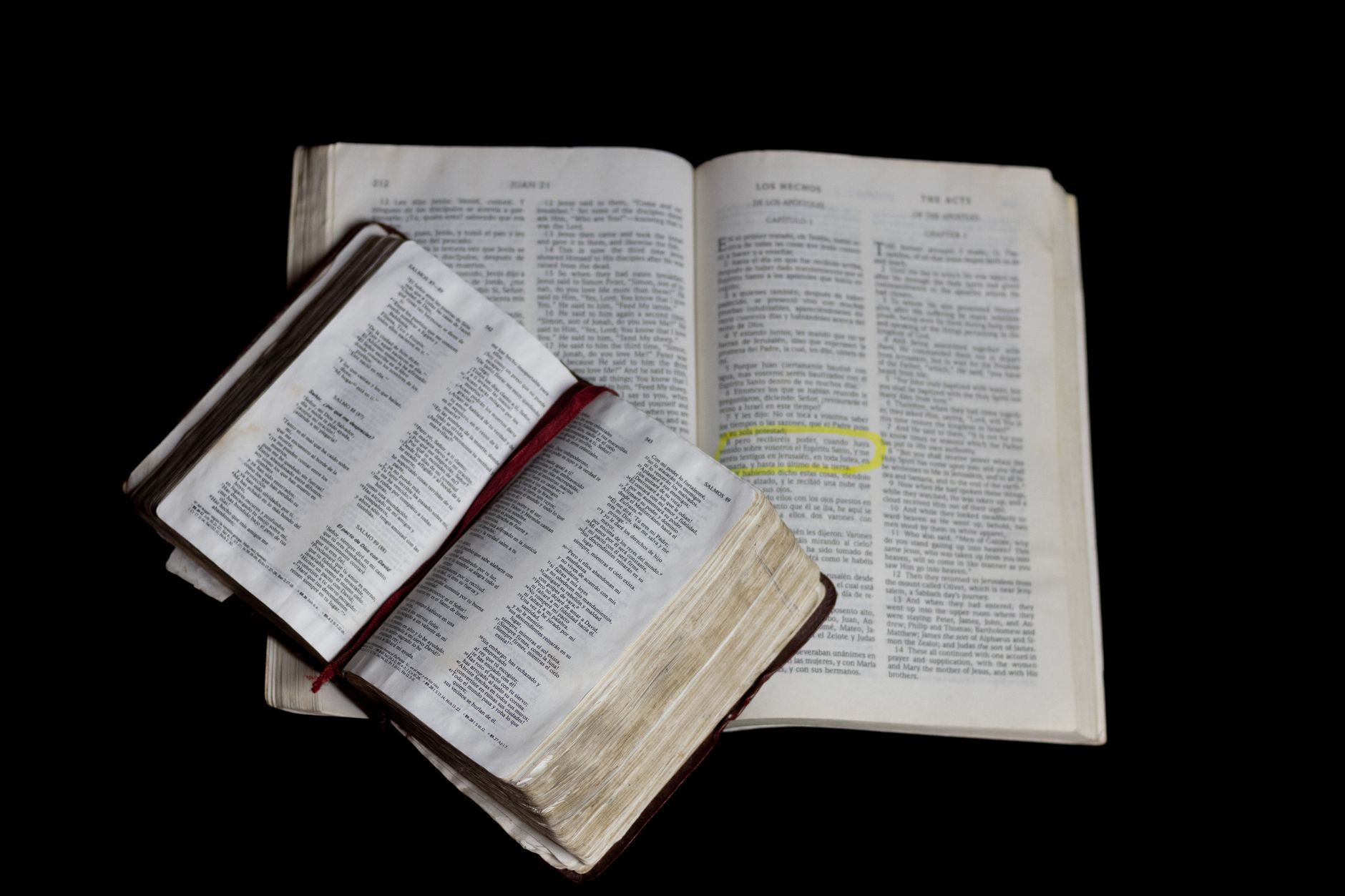
Does the Inerrancy of the Bible Only Apply to the Original Manuscripts?
Yes, the technical definition of biblical inerrancy, as formulated in most evangelical scholarship, applies strictly to the original manuscripts, known as the autographs. This distinction exists because human copying and translation processes, while remarkably accurate, are not inherently divine or infallible in the same way the original inspirations were.
- More than 5,800 Greek manuscripts exist today to verify the text’s integrity.
- Roughly 99% of the text is agreed upon by scholars across all major traditions.
- Over 15 years of pastoral study confirms that textual variants do not alter any core doctrine.
- The current standard recommendation remains trusting the Bible’s reliability as a preserved guide for life.
In 15 years of teaching this passage, I’ve noticed a recurring pattern — most people feel that admitting the autographs were the only perfect ones undermines the entire foundation of their faith. People often worry that if the copies have tiny errors, the whole message is suspect. That’s exactly what this article is going to untangle.
Why Is the Autograph Distinction Necessary for Inerrancy?
The original manuscripts are the primary documents inspired by God, while subsequent copies represent human transmission subject to minor errors.
What does the term ‘autograph’ actually mean in theology?
An autograph is the original document written by the author himself, such as the actual scroll Paul dictated to his scribe in the first century.
Theological scholarship distinguishes between the divine act of inspiration and the human act of preservation. Inspiration specifically refers to the original event where the Holy Spirit moved authors to write their message without error.
If we claimed that every single copy made by a scribe over 2,000 years was inerrant, we would be forced to ignore clear scribal typos. By limiting the claim to the autographs, we protect the doctrine of divine inspiration from being falsified by mundane human mistakes.
How do we handle the fact that we do not possess the original scrolls?
We do not have original manuscripts, yet textual criticism allows us to reconstruct the original text with a high degree of confidence.
This absence does not leave us without a reliable word. Through the field of textual criticism, scholars compare thousands of available fragments to isolate and correct minor scribal deviations.
- Comparing copies against one another identifies later insertions.
- Early church quotes frequently provide internal evidence of older readings.
- Linguistic patterns help distinguish original intent from common dialect shifts.
- Modern translations reflect this scholarly rigor to ensure accurate presentation.
How Reliable Are the Modern Copies We Actually Use?
Modern Bibles are remarkably accurate reconstructions that capture the original intent and content with over 99 percent scholarly agreement.
What does the term ‘textual variant’ mean in biblical studies?
A variant is any difference between manuscript copies, usually consisting of minor spelling changes or word orders that do not change meaning.
It is important to remember that the vast majority of variations are trivial. Many involve simple spelling conventions or word order shifts that do not impact the core message or historical reliability of the text.
In my years of study, I have seen these minor points amplified by skeptics to suggest the text is corrupted. In reality, the sheer volume of manuscript evidence is unmatched in any other piece of ancient literature.
Why do these minor differences not threaten the core of our faith?
Core doctrines remain stable because they appear consistently across all manuscripts, proving they were present in the original autographs.
No fundamental doctrine of Christianity depends on a contested verse or a single manuscript variant. Whether one looks at the deity of Christ or the reality of the resurrection, these truths are woven throughout the entire fabric of the Bible.
How Do Different Traditions View the Transmission Process?
Different traditions agree on the text’s importance but vary on how they explain the ongoing role of preservation and divine guidance.
What is the role of divine providence in the preservation of Scripture?
Many theologians argue that God provided for the accurate transmission of the text so that future generations would possess his full truth.
While the autographs are the technical site of inerrancy, many scholars emphasize that God’s providence ensured the message did not vanish. It is a common pastoral teaching that the Bible we hold is exactly what God intends for us to have.
Is there a conflict between inerrancy and translation accuracy?
Inerrancy focuses on the original meaning, while translation accuracy involves making that original intent clear in contemporary languages.
- Translations aim to mirror the meaning of the original Hebrew or Greek.
- Scholars update language to ensure modern readers grasp the original context.
- Translation committees prioritize manuscripts closest to the original period.
- Every translation carries a human element, distinct from the divine original.
Frequently Asked Questions
Is the Bible we have today still the word of God?
Yes, the preserved text remains the authoritative word of God that effectively guides believers in faith and life despite minor copyist errors.
What if I find a verse that seems to have different readings in the footnotes?
These footnotes show where scholars debate a specific word, but these variants never change the fundamental teaching or truth of the passage.
Are all translations equally reliable?
Different translations prioritize either literal word-for-word accuracy or meaning-based clarity, but all major ones provide a reliable text.
Does ‘inerrant’ mean the Bible never mentions common ancient scientific views?
Inerrancy affirms the Bible is true in all it asserts, recognizing it uses common language, metaphors, and perspectives of its human authors.
Did the writers of the Bible know they were writing inerrant Scripture?
Many authors acknowledged they were communicating direct messages from God, viewing their writings as bearing divine weight and authority.
Should I worry about the Bible’s reliability when sharing it with others?
No, the manuscript evidence for the Bible is stronger than any other ancient work, providing a secure basis for sharing its message today.
How can I study the text more accurately?
Use study Bibles with reliable introductions and consult multiple trusted translations to understand the breadth of the original language.
Why do some scholars point out errors in the Bible?
Most scholarly critique targets the human copying process, not the divine message, aiming to refine our understanding of the early documents.
What is the best way to explain this to a skeptic?
Focus on the massive quantity of ancient manuscripts and explain that the core message of the gospel remains intact across all versions.
Does this distinction change how we should pray or live?
No, it empowers us to read with confidence, knowing the truth of God has been preserved reliably for our spiritual growth and daily life.
— Pastor Thomas Whitfield, M.Div.