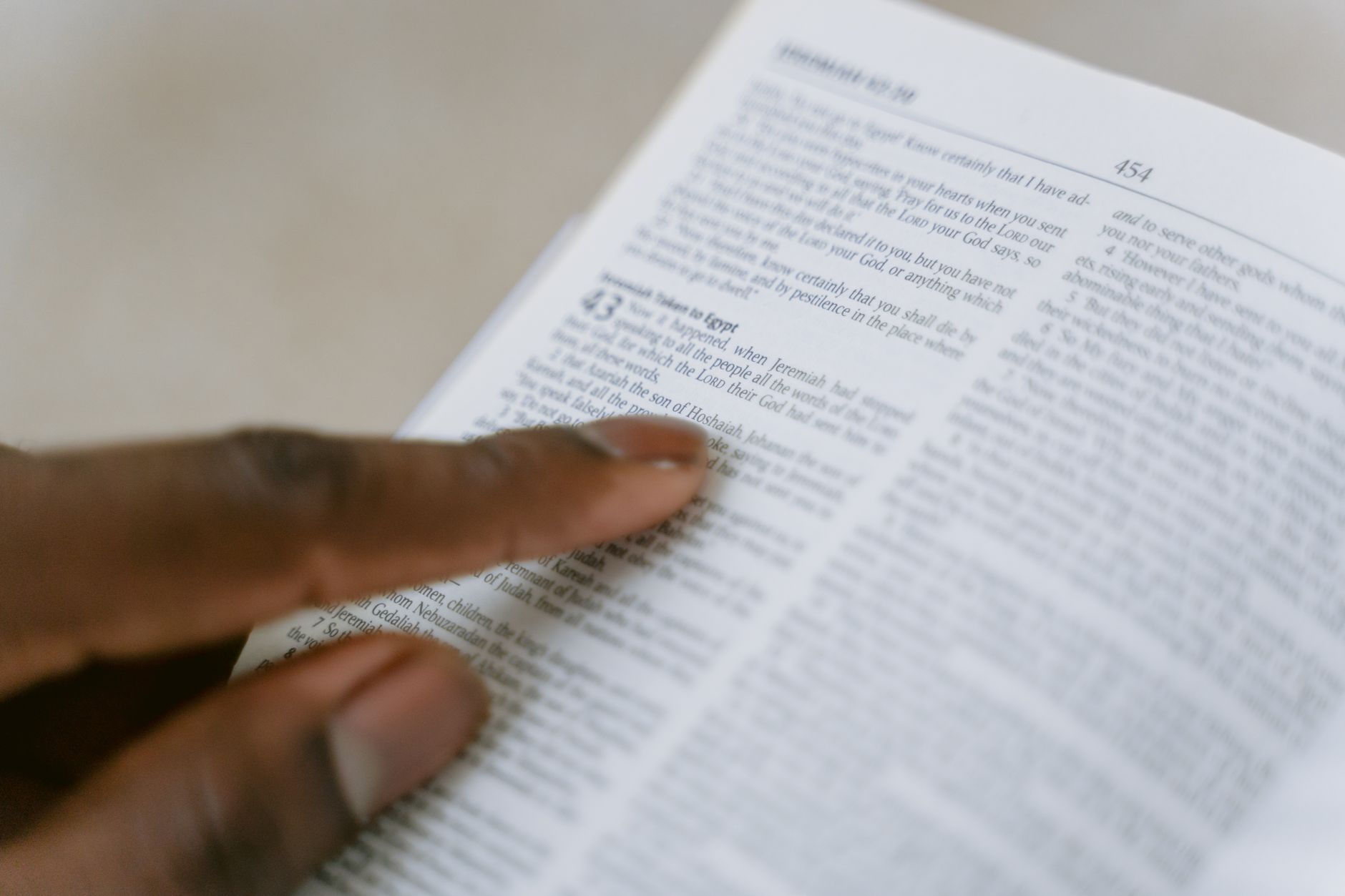
What Are the Most Important Bible Verses for Christians in 2026?
Bible verses are inspired records of divine revelation, providing timeless guidance, comfort, and instruction for every aspect of human life. While the canon contains over 31,000 verses, certain passages serve as foundational pillars for Christian doctrine, personal prayer, and ethical conduct.
- There are approximately 31,102 verses in the standard King James Version of the Bible.
- Over 2,300 verses in the Bible deal specifically with the topics of money and stewardship.
- Research suggests that consistent engagement with scripture is the single greatest predictor of spiritual maturity.
- Focusing on core thematic passages provides a clear roadmap for modern Christian living.
Why Do Certain Bible Verses Matter More Than Others?
Certain verses carry weight by summarizing core gospel truths, providing comfort in suffering, or offering essential moral instruction today.
How Do We Categorize the Most Essential Verses?
Theology classifies essential verses into categories including gospel foundation, practical ethics, comfort in trial, and identity in God.
In fifteen years of ministry, I have found that believers often look for “anchor verses” to sustain them during seasons of transition. These passages do not replace the need for reading entire books, but they serve as critical reference points. Most respected Bible scholars note that focusing on these thematic anchors helps prevent the common mistake of isolating verses from their historical context.
- John 3:16 serves as the primary summary of the gospel message.
- Romans 8:28 offers a foundational promise regarding divine providence.
- Philippians 4:6-7 provides the core instructions for overcoming anxiety.
- Micah 6:8 encapsulates the essence of what God requires of humanity.
What Is the Best Way to Study Bible Verses Contextually?
Contextual study requires reading the surrounding chapters, identifying the original audience, and noting the specific author intent.
It is easy to lift a verse out of its setting to make it say what we want to hear. To truly understand what the Bible says, one must look at the paragraph structure and the logic of the author. We must treat the text with the same care we would give any foundational document.
| Study Method | Goal |
|---|---|
| Observation | What does the text say? |
| Interpretation | What did it mean then? |
| Application | What does it mean now? |
Where Can You Find Verses for Life’s Difficult Seasons?
Scripture addresses suffering through laments, promises of presence, and the hope of resurrection found in the New Testament epistles.
Which Verses Provide Strength During Personal Trials?
Passages like Isaiah 41:10 and 2 Corinthians 12:9 highlight that strength is found not in human ability but in divine grace and support.
When we face hardship, we often feel abandoned. The Psalms are particularly helpful here because they do not hide the reality of human suffering. Many of these prayers are raw, honest, and direct.
- Psalm 23:4 – A promise of presence in the dark valley.
- Isaiah 41:10 – A command against fear.
- 2 Corinthians 12:9 – The reality of grace in weakness.
- Romans 8:38-39 – The assurance of eternal connection.
How Do Bible Verses Help in Managing Anxiety?
Anxiety is addressed by replacing worried thoughts with prayer, thanksgiving, and a focus on God’s sovereignty over every future outcome.
Anxiety often stems from our desire to control the future. Paul’s instruction in prayer and faith is a process of exchange. We bring our concerns to God and receive His peace in return.
- Philippians 4:6-7 – Instructions for replacing worry with prayer.
- Matthew 6:34 – The warning against borrowing tomorrow’s trouble.
- 1 Peter 5:7 – The invitation to cast all cares upon God.
Frequently Asked Questions About Bible Verses
-
Which is the shortest verse in the Bible?
The shortest verse is John 11:35, which reads simply: “Jesus wept.”
-
What is the most popular Bible verse?
John 3:16 is widely considered the most cited and recognized verse in global Christianity.
-
Are there verses specifically for new believers?
New believers often find John 1, Romans 12, and the Sermon on the Mount in Matthew 5-7 to be the best starting points for growth.
-
Should I memorize Bible verses?
Memorization helps with meditation and provides ready access to truth during moments of temptation, stress, or moral decision-making.
-
How do I find a verse if I only remember a phrase?
Using a digital concordance or a search tool on a reputable site like Bible Gateway is the most efficient way to locate a citation.
-
Is reading one verse a day enough?
Reading one verse is a good start, but deeper study involves engaging with larger passages to understand the full context of the message.
-
Do different translations use different wording?
Yes, translations vary between word-for-word accuracy and thought-for-thought clarity, which is why comparing versions is often helpful.
-
Can I quote verses to others to solve their problems?
Verses should be shared with love and discernment, ensuring the application is relevant and the tone is genuinely pastoral, not accusatory.
-
What if I don’t understand what a verse means?
When a passage is unclear, consult a reputable commentary, speak with a mature mentor, or look at the original language through a lexicon.
-
Are verses in the Old Testament still relevant?
Yes, the Old Testament provides the historical and theological foundation for the New Testament and is profitable for teaching and growth.
As you navigate your walk with God this year, remember that the goal of reading scripture is transformation, not just information. May you find that the word of God remains a light to your path. — Pastor Thomas Whitfield, M.Div.