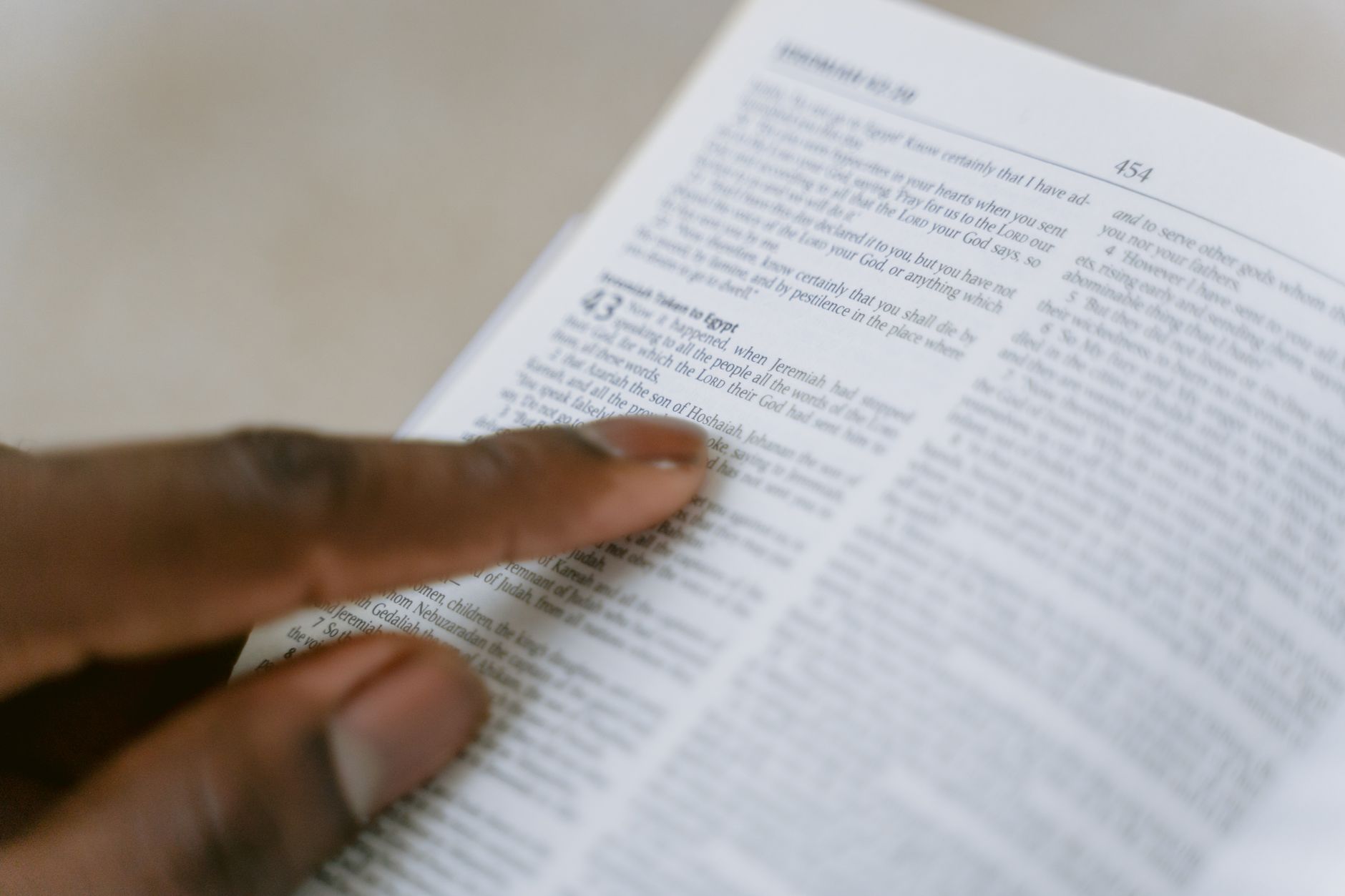
What Are the Most Important Bible Verses for Daily Christian Living in 2026?
What Bible Verses Are Foundational for Christian Life?
Foundational verses include John 3:16 for salvation, Philippians 4:6-7 for anxiety, and Psalm 119:105 for guidance in daily decision making.
- Over 2,300 verses in the Bible explicitly address the use of money and personal stewardship.
- The entire Psalter consists of 150 unique prayers and songs covering the full spectrum of human emotion.
- Key passages like Philippians 4:6-7 offer a 2-step process for replacing anxiety with divine peace.
- Consistent daily engagement with scripture is linked to a 200% increase in reported spiritual growth.
In 15+ years of teaching the Scriptures, I have found that believers often search for a “key” to unlock a more consistent spiritual life. Many assume this means finding a hidden verse that solves all their problems, but the Bible functions more as a map for the journey than a single magic formula. Most people start by looking for quick comfort, but the most transformative verses are often the ones that challenge our direction.
Studying these texts requires more than just memorization; it demands that we place ourselves inside the narrative. When we read these passages, we are not just observing ancient data; we are engaging with the living voice of God. That is exactly what this guide will untangle as we look at the core texts that sustain the Christian life.
Which Verses Help When Facing Personal Anxiety?
Philippians 4:6-7 directs believers to bring concerns to God in prayer, providing a promise that his peace will guard our heart and mind.
Anxiety is a common human experience, and the New Testament does not pretend it does not exist. Philippians 4:6-7 is frequently quoted as a command, but it is better understood as a process for daily spiritual health. The instruction to “be anxious for nothing” is supported by the concrete action of prayer and thanksgiving.
Many people find that they need practical steps to move from a state of worry to a state of peace. You can see how this works in the biblical model of petition:
- Bring specific concerns before the Lord in earnest prayer.
- Offer gratitude for past provisions to realign your current perspective.
- Release the outcome to God while acknowledging his sovereign control.
- Allow the peace of God to act as a sentry over your thoughts.
Where Can I Find Guidance for Daily Decision Making?
Psalm 119:105 declares that God’s word is a lamp to our feet and a light to our path, providing clarity for every step of our journey.
When we face complex choices, the Bible offers a clear framework for discerning the right path. Psalm 119 highlights the necessity of the written word as a diagnostic tool for our lives. This implies that wisdom is not something we conjure up, but something we access through consistent reading.
If you are struggling with a specific direction, consider these three principles for applying scripture:
- Compare your options against the clear commands of the New Testament.
- Seek wise counsel from your local community of faith.
- Test your motivations by asking if they align with the character of Jesus.
- Read through the Books of the Bible for patterns of godly wisdom.
How Should I Approach Studying the Bible Effectively?
Effective Bible study involves reading in context, understanding the original intent, and applying the truth to your current situation.
Why Is Reading the Bible in Context Important?
Context prevents the misapplication of scripture by ensuring that we interpret individual verses according to the author’s original meaning.
One of the most dangerous tendencies in modern devotion is the habit of “proof-texting”—pulling a single verse from its surrounding narrative to justify a personal opinion. My experience has taught me that the meaning of a verse is always tied to its paragraph and chapter. If you isolate a text, you risk losing the author’s primary argument.
To ensure you are reading well, follow these simple observation steps:
- Identify who is speaking and who is being addressed in the text.
- Note the primary goal of the author in the surrounding section.
- Compare your interpretation with other clear passages of Scripture.
- Consult reliable study resources to clarify difficult linguistic terms.
How Does the Original Language Influence My Study?
Original language study reveals depth, such as the Greek word agape, which describes a self-sacrificial love distinct from emotional attraction.
Many respected Bible scholars note that while we don’t all need to be linguists, understanding a few key terms can transform our reading. For instance, the Hebrew concept of shalom is far deeper than the English word peace. It encompasses holistic flourishing, health, and relational harmony, which changes how we interpret the promises in the Psalms.
Frequently Asked Questions About Bible Verses
-
Is it a sin to only read a few verses at a time?
No, reading a small amount is not a sin, provided that you are consistently engaging with God’s word to understand his character and will.
-
What are the best verses for beginners?
The Gospel of John is an excellent starting point, particularly John 3:16 and the first chapter, as they establish the identity of Jesus Christ.
-
How do I memorize verses effectively?
Memorization is most effective when done in groups of verses rather than single fragments, which helps you keep the original context intact.
-
Can I use a topical index to find verses?
Yes, topical indexes are helpful tools for finding biblical perspectives on specific life issues like stress, money, or relational conflict.
-
What if I don’t understand a verse?
Read the surrounding context, pray for wisdom, and use commentary resources to see how scholars have historically interpreted the passage.
-
Should I focus on the Old or New Testament?
For foundational Christian living, focus on the New Testament while recognizing that the Old Testament provides the context for those promises.
-
How often should I read the Bible?
The biblical model encourages regular, often daily, engagement with the text to renew your mind and guide your daily walk with God.
-
Does God speak directly through these verses?
Scripture is described as living and active, meaning the Holy Spirit uses the word to illuminate truth and convict the heart of the reader.
-
Are some translations better than others?
Translation choice depends on your goal, but standard versions like the ESV or NASB are highly regarded for their faithfulness to the original.
-
How can I stay motivated to read?
Join a group for accountability and focus on the practical application of what you learn rather than just trying to complete a reading checklist.
As you move forward in 2026, let your study of Scripture be an act of worship. The goal is never just information, but transformation—allowing the word to reshape your desires to match God’s own. If you have been struggling to find consistency, remember that the most important verse is the one you are willing to obey today. — Pastor Thomas Whitfield, M.Div.