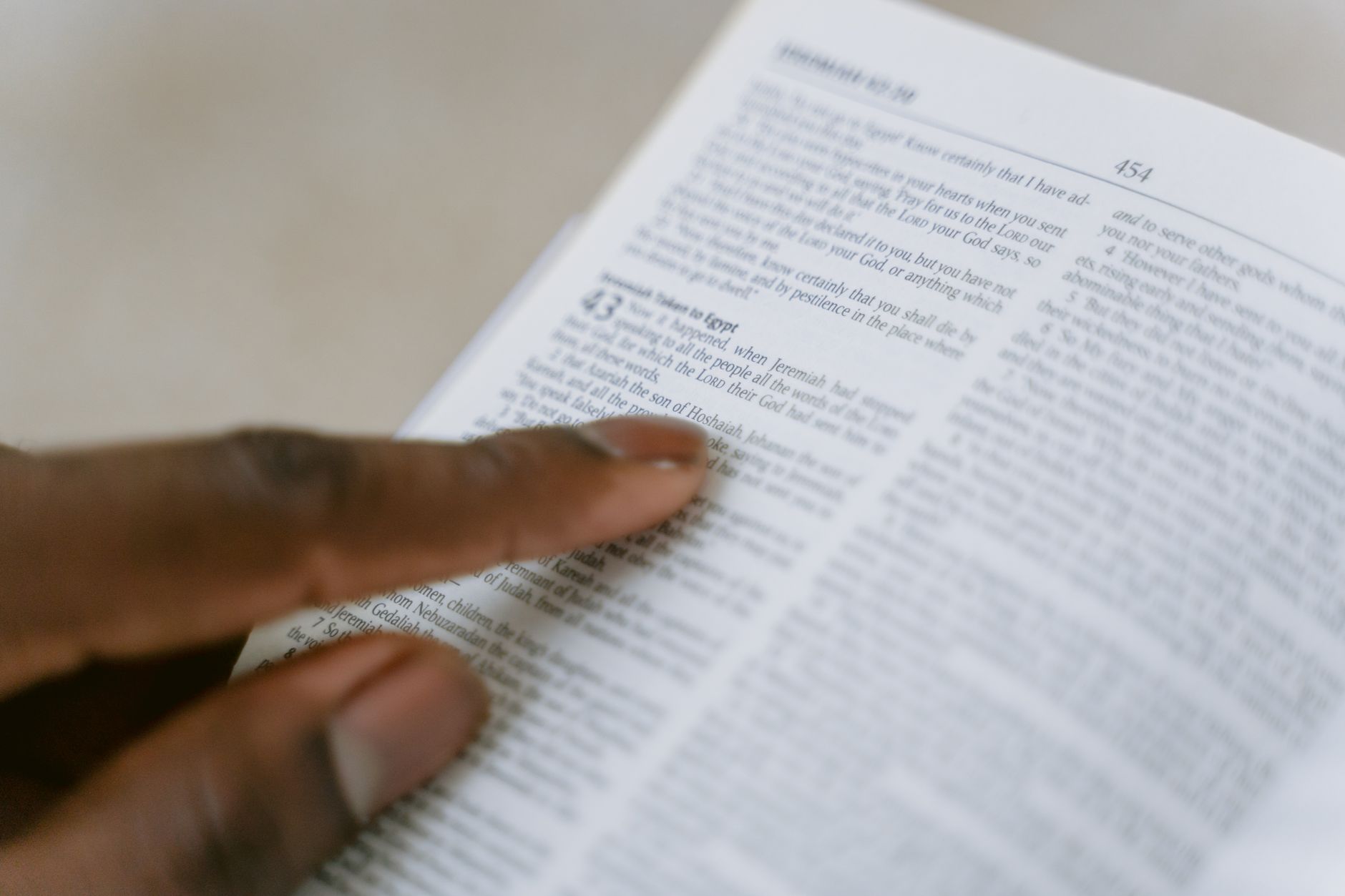
What Does the Bible Say About Bible Verses?
What are bible verses and where did they originate?
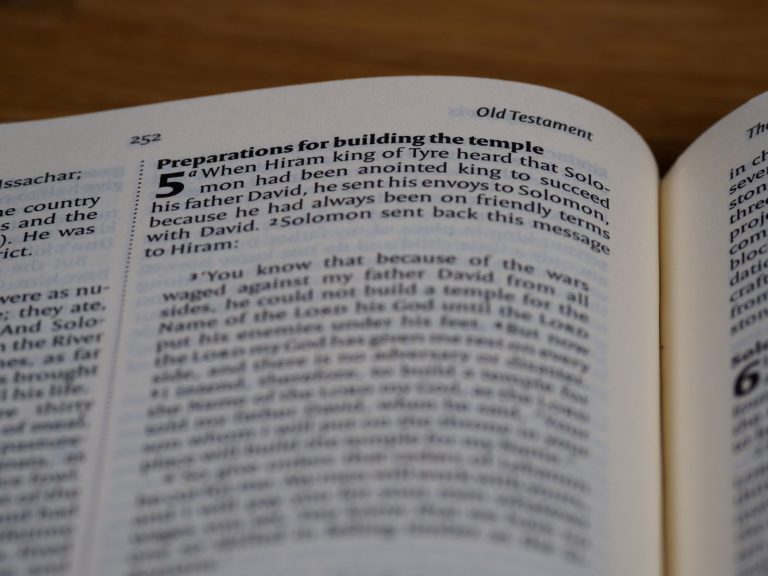
Bible verses are modern divisions of text added for reference in the 13th and 16th centuries to help readers locate specific passages easily.
In 15+ years of teaching the Word, I have noticed that most people treat the Bible like a collection of fortune cookie quotes. They look for a quick verse to solve a life problem without considering the original intent of the author. We must remember that the original manuscripts were continuous letters, songs, and historical narratives.
The system we use today is a relatively recent invention in church history. Before these numbers were added, readers relied on memorization or scrolls to find their place. This transition helped accessibility but occasionally obscured the literary flow of the text.
Why were numbers added to the biblical text?
Chapter and verse numbers were introduced to improve study, indexing, and communal navigation during the medieval and reformation eras.
Stephen Langton, an archbishop, divided the Bible into chapters around 1227. Later, Robert Estienne, a French printer, added the verse numbers we use today in 1551. These additions transformed the Bible from a document read in sections into a tool that could be referenced precisely.
- helps quick comparison of different translations.
- Allows preachers to point congregations to exact sentences.
- Enables systematic study through concordances and software tools.
- Standardizes academic citation across theological traditions.
Can reading verses in isolation lead to confusion?
Extracting verses from their historical context frequently creates inaccurate theology or misunderstandings of the author’s intended message.
When we pull a single verse, such as Jeremiah 29:11, out of its context regarding the Babylonian exile, we often project modern expectations onto ancient Israel. Proper biblical interpretation requires looking at the paragraph and the chapter surrounding the verse. I always encourage students to read the “before” and “after” verses to ensure they are not distorting the meaning.
How should you interpret individual bible verses correctly?
Correct interpretation requires identifying the original audience, the genre of the book, and how the verse fits into the broader narrative.
Many respected Bible scholars note that the Bible should be read as a coherent story rather than a list of disconnected aphorisms. While a single verse can be powerful for meditation, it must never contradict the main thrust of the book it appears in. Understanding the cultural setting is the first step toward true application.
What does the literary genre teach us about reading verses?
The Bible contains poetry, law, history, and letters, all of which require different reading approaches to grasp the author’s true intent.
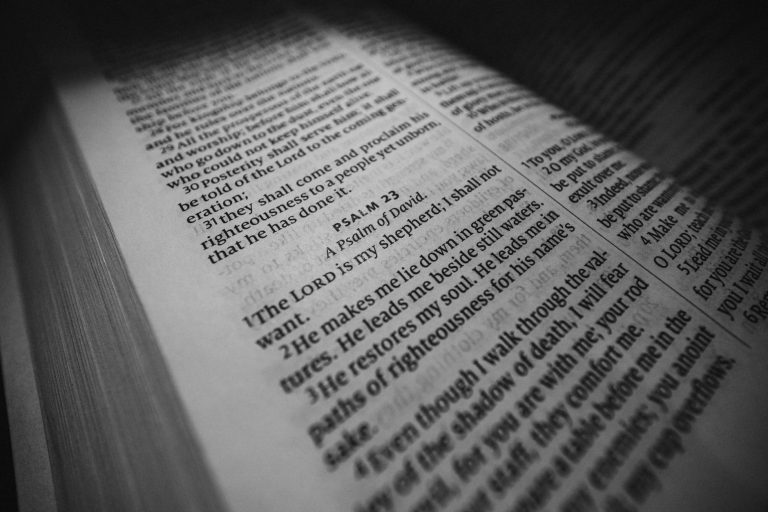
Reading a Psalm requires a different mindset than reading the book of Romans. Poetry uses metaphor and emotional expression that should not be forced into a rigid, literalist box. Conversely, the New Testament epistles are argumentative letters that demand logical analysis.
- Psalms: Look for imagery, parallel thought, and emotional tone.
- Gospels: Focus on the deeds and teachings of Jesus in context.
- Epistles: Identify the specific problem the author is addressing.
- Prophetic books: Note the historical situation facing the prophet.
Is it a sin to take bible verses out of context?
Misinterpreting Scripture is not inherently a sin, but it is often dangerous when it leads to false doctrine or poor spiritual decisions.
I frequently see people use verses to justify personal choices that run against the grain of clear biblical commands. It is a sign of spiritual maturity to admit when we have misapplied a passage. We should always be testing our understanding against the whole counsel of Scripture.
Frequently Asked Questions about Bible Verses
-
Are chapter and verse numbers inspired by God?
No, the numbers are human additions designed for convenience and are not part of the original, God-breathed inspired biblical manuscripts.
-
How do I find the best study version of the Bible?
Look for a reputable translation that uses paragraph-style formatting to help you see the logical flow of the arguments being presented.
-
Does a verse’s position matter in the Bible?
Yes, the placement of a verse within the wider narrative helps you understand the author’s progression of thought and ultimate purpose.
-
Should I memorize individual verses?
Yes, memorizing verses is a vital spiritual discipline, but always keep them anchored in the context of the chapters they belong to.
-
Can I use a concordance to find verses?
Yes, concordances are excellent tools for finding specific topics, provided you return to the Bible to read the full context afterwards.
-
Is it okay to use verse-a-day apps?
These apps are helpful for daily reflection, provided they encourage you to read the full context rather than just the single verse provided.
-
How do I explain context to others?
Show them the verse you are reading, then read the three paragraphs before and after to show how the meaning becomes clearer and deeper.
-
Why do different Bibles have different verse counts?
Differences in translations or ancient manuscript traditions can sometimes cause minor variations in how verses are numbered or grouped.
-
Are there verses that are not in all Bibles?
Some verses found in older translations are missing from modern ones based on newer manuscript evidence, though no core doctrine is affected.
-
What is the most helpful way to study a verse?
Use the Inductive Method: Observe the text, interpret the author’s meaning, and apply that meaning to your life in its proper context.
Understanding the structure of the Bible helps us honor the message of the authors. My goal for you is that you move beyond just knowing verses and begin to know the God who gave us this unified story. Never be afraid to ask hard questions about what you are reading. — Pastor Thomas Whitfield, M.Div.