Christian Theology Guide: How to Study God’s Word in 2026
Christian theology is the systematic study of God and His self-revelation in Scripture, aimed at knowing Him and living in light of His truth. It organizes biblical teaching into a coherent framework to ensure that our understanding of God, salvation, and the church remains grounded in what He has spoken. In 15+ years of teaching, I’ve noticed most students begin with confusion about where to start; they assume theology is only for seminarians, but it is actually the practice of every faithful believer.
- Theology is derived from the Greek ‘theos’ (God) and ‘logos’ (word), meaning it is literally ‘words about God’ or the study of God.
- There are over 2,300 verses on money and possessions, illustrating how theology directly impacts practical Christian living daily.
- Systematic theology categorizes biblical truth into 10 major areas, ranging from the Doctrine of God to the Doctrine of Last Things.
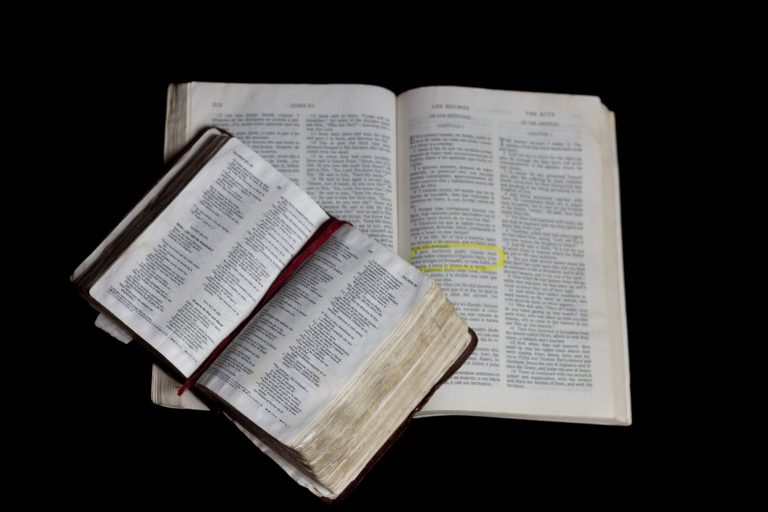
- The best way to begin is by pairing systematic study with consistent reading of the Books of the Bible for balance.
What are the primary branches of Christian theology?
Christian theology includes four main branches: biblical, systematic, historical, and practical, each offering a distinct way to study.
What is the difference between biblical and systematic theology?
Biblical theology traces the story of redemption through the Bible, while systematic theology categorizes truths into logical topics.
Biblical theology is chronological and narrative-driven. It looks at how God revealed Himself from Genesis to Revelation, tracing themes like the covenant or the kingdom. It is the story of the Bible told from the inside out.
Systematic theology is topical. It asks, “What does the whole Bible say about prayer?” or “What is the nature of the Trinity?” It organizes these findings into an orderly, logical structure.
- Biblical theology focuses on redemptive history.
- Systematic theology focuses on topical precision.
- Both rely entirely on the authority of What Does the Bible Say about God.
What roles do historical and practical theology play?
Historical theology studies how the church understood doctrine over time, while practical theology applies that truth to daily life.
Historical theology teaches us that we do not read the Bible in a vacuum. By studying the creeds, confessions, and councils, we avoid the errors of the past.
Practical theology is the “so theology is the “so what” of the discipline. It connects the deep truths of the faith to how we approach Is It a Sin questions, counseling, and worship.
How should a beginner start studying Christian theology?
Beginners should start with foundational systematic summaries while keeping a consistent daily reading habit in the New Testament.
Why is a foundational systematic summary necessary?
Foundational summaries help organize scattered biblical knowledge into a cohesive, logical, and easy-to-understand theological map.
Most beginners struggle because they possess isolated pieces of knowledge but lack a map. A good systematic summary provides that map, showing how different doctrines relate to each other.
Avoid highly dense academic texts for your first book. Look for “one-volume” systematic works that prioritize clarity over exhaustive philosophical jargon.
How do you maintain balance between study and devotion?
Maintain balance by ensuring that every doctrine learned directly informs your personal prayer life and your study of Scripture.
Theology can become academic and cold if it is not fueled by prayer. If your study of God does not lead to a greater sense of awe, it is likely being pursued for the wrong reasons.
Use these tips to stay balanced:
- Pray before every study session.
- Read the text for yourself before reading a commentary.
- Always ask: How does this change my view of Jesus?
Frequently Asked Questions
-
What is the most important topic in Christian theology?
The Doctrine of God, specifically the Trinity, is the center because it defines who God is and the basis for all other doctrines.
-
Are there recommended reading lists for beginners?
Yes, beginners benefit from one-volume systematic theology books that prioritize clear, accessible language over technical jargon.
-
Is reading theology more important than reading the Bible?
No, reading the Bible is primary. Theology is a tool to help you understand the Bible accurately, not a replacement for the text.
-
How has theology changed in the year 2026?
Theology today emphasizes digital accessibility and the need to address modern ethical questions using ancient biblical foundations.
-
Can I study theology without going to seminary?
Yes, many high-quality online courses and books allow dedicated students to learn theology thoroughly outside of a classroom.
| Title | Author | Length (pages) | Level | Key Strength |
|---|---|---|---|---|
| Systematic Theology | Wayne Grudem | 1296 | Beginner‑Friendly | Clear explanations, practical application |
| Systematic Theology | Louis Berkhof | ≈600 | Intermediate | Concise, Reformed perspective |
| Christian Theology | Millard J. Erickson | ≈1200 | Intermediate‑Advanced | Comprehensive, balanced evangelical view |
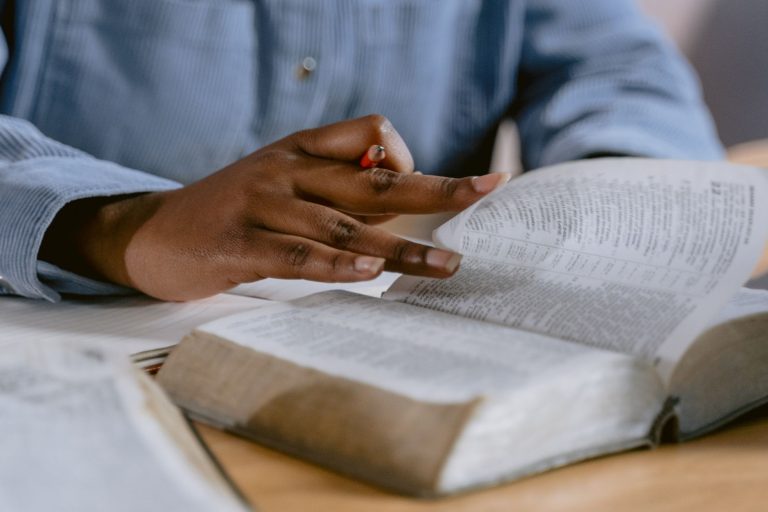
As you embark on this study, remember that theology is not just an intellectual exercise—it is an act of worship. It is the lifelong pursuit of knowing the Creator who has chosen to reveal Himself to us in the pages of His Word. Keep your Bible open, your heart receptive, and your focus firmly on the character of God. — Pastor Thomas Whitfield, M.Div.