Old Testament Guide 2026: Understanding the Foundation of Scripture
The Old Testament is a collection of 39 distinct books that recount the history of the covenant relationship between God and the nation of Israel. It establishes the theological foundation for the New Testament, providing essential context for understanding the identity and mission of Jesus Christ.
- The Old Testament contains 39 books written over approximately 1,000 years.
- It is traditionally categorized into four main literary sections: Law, History, Poetry, and Prophecy.
- Five major covenants in the Old Testament define God’s relationship with humanity and Israel.
- Reading this guide will help you grasp the overarching narrative of salvation spanning over 2,000 years of recorded history.
How Should You Approach the Old Testament Canon?
The Old Testament consists of 39 books arranged by literary genre to reveal a cohesive narrative of creation, fall, and divine promise.
What are the four primary literary categories?
The canon is divided into the Pentateuch, Historical books, Wisdom literature, and Major/Minor Prophetic books for clearer study.
Scholars categorize these texts to help readers navigate their different purposes. The Pentateuch serves as the foundation for the entire biblical story.
- The Pentateuch: Genesis through Deuteronomy
- Historical Books: Joshua through Esther
- Poetry and Wisdom: Job through Song of Solomon
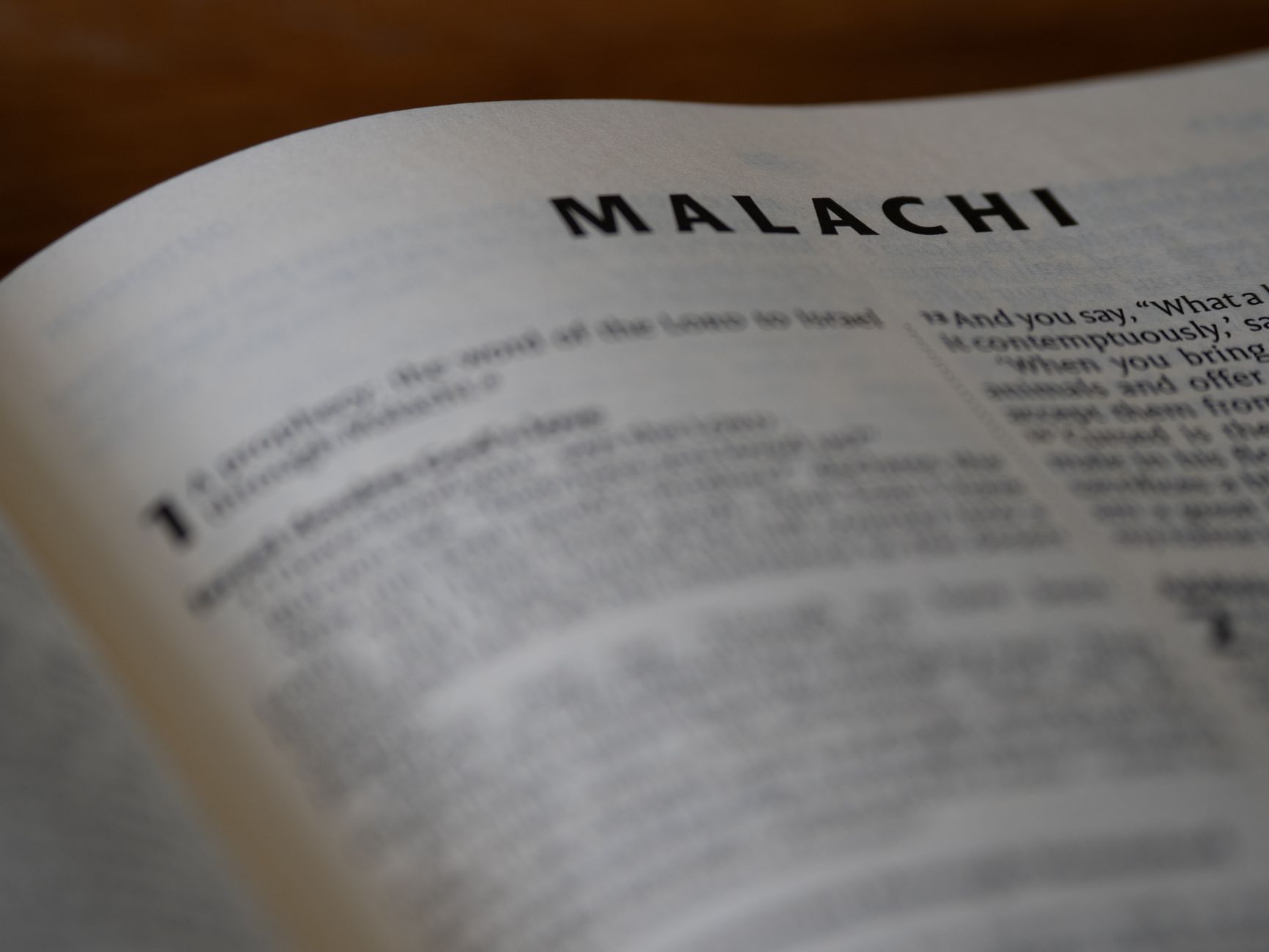
- Prophetic Books: Isaiah through Malachi
Why is historical context essential for interpretation?
Understanding the ancient Near Eastern culture and geography prevents common misreadings of biblical law and prophetic imagery.
In my 15 years of teaching, I have noticed that most students struggle because they overlook the original audience. Reading the books of the Bible requires placing each text into its specific historical era.
| Era | Focus |
| Patriarchal | Family formation |
| Mosaic | Covenant establishment |
| Monarchical | Kingdom and failure |
| Exilic | Refinement and hope |
How do different Christian traditions organize the Old Testament canon?
While Protestants recognize 39 books, Catholic and Orthodox canons include additional deuterocanonical texts, affecting the total count and theological emphasis.
The Catholic Old Testament adds seven deuterocanonical books—Tobit, Judith, Wisdom of Solomon, Sirach (Ecclesiasticus), Baruch, and 1 and 2 Maccabees—plus additions to the books of Esther and Daniel. The Eastern Orthodox tradition includes these and often adds 3 Maccabees, Psalm 151, and sometimes 4 Maccabees, bringing the total to as many as 49 books. These variations influence liturgical use, doctrinal development, and the way certain themes (such as intercession for the dead or wisdom literature) are emphasized across traditions.
What Are the Key Covenants in the Old Testament?
God’s promises through five major covenants establish a framework for redemption that guides the entire biblical narrative arc.
How do covenants drive the plot of the narrative?
Each covenant serves as a step in God’s plan to reconcile humanity to Himself through the lineage of the promised Messiah.
The narrative structure of the Old Testament is built upon these formal agreements. You can see how each one expands the scope of God’s blessing.
- Noahic: God promises to preserve the earth.
- Abrahamic: God promises a nation and a blessing.
- Mosaic: God gives the Law to govern the nation.
- Davidic: God promises an eternal throne to the king.
- New Covenant: Jeremiah 31 predicts a change of heart.
Where can I learn more about biblical covenants?
Exploring the interconnected nature of these promises helps readers understand God’s faithfulness throughout Israel’s history.
Studying these covenants changes how you read the prophets and the Psalms. For further reflection on how these promises inform faith, review our prayer and faith resources.
Frequently Asked Questions About the Old Testament
-
How many books are in the Old Testament?
There are 39 books in the standard Protestant Old Testament, ranging from Genesis to Malachi in historical order.
-
Who wrote the first five books of the Bible?
Tradition and internal evidence identify Moses as the primary author of the Pentateuch, under divine inspiration.
-
Is the Old Testament still relevant for Christians?
Yes, the Old Testament provides the moral, historical, and prophetic context necessary to understand the New Testament fully.
-
What is the difference between major and minor prophets?
The distinction is based on the length of the books, not the significance of the messages or the prophets themselves.
-
How does the Old Testament connect to the New Testament?
The Old Testament functions as the promise, while the New Testament functions as the fulfillment of those ancient covenants.
-
Are the laws in the Old Testament meant for today?
Moral laws remain binding, while ceremonial and civil laws were fulfilled by Christ and apply to us as theological principles.
-
What is the best way to start reading the Old Testament?
Begin with the narrative arc in Genesis through Joshua before moving into the Wisdom and Prophetic literature.
-
Why is there so much violence in the Old Testament?
It records the reality of human sin and the consequences of rebellion in a fallen world governed by a holy God.
-
What role does wisdom literature play?
Books like Proverbs and Ecclesiastes provide practical instruction on living in alignment with God’s created order.
-
What is the overarching theme of the Old Testament?
The primary theme is God’s sovereignty and His persistent effort to restore relationship with a rebellious humanity.
If you find yourself struggling with specific texts, please refer to our what does the Bible say hub for further guidance. The journey through these 39 books is a lifelong pursuit of understanding God’s character.
— Pastor Thomas Whitfield, M.Div.