What Is the Old Testament and Why Does It Matter?
What Is the Old Testament in the Bible?
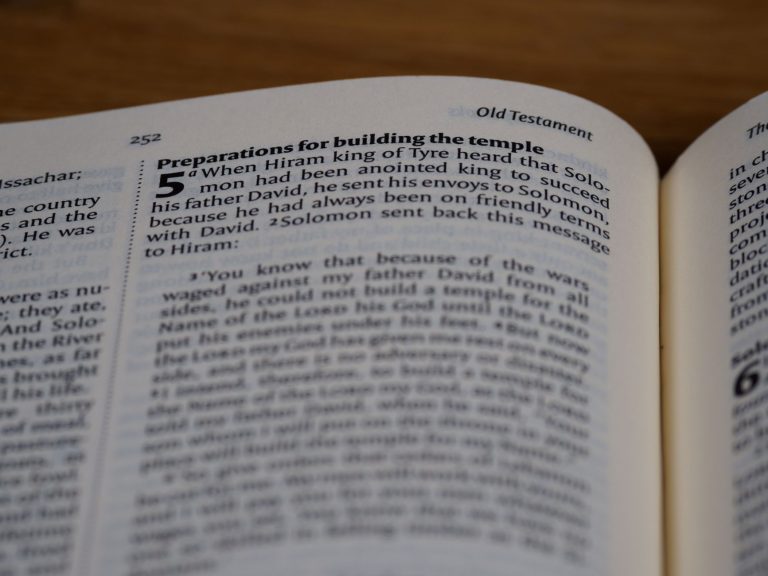
The Old Testament is a collection of 39 books comprising the history, poetry, and prophecy of the Hebrew people written before Jesus’s birth.
- The Old Testament contains 39 distinct books written over roughly 1,000 years.
- It accounts for approximately 75% of the total page count of the standard Protestant Bible.
- These texts were written by over 30 different authors inspired by the Holy Spirit.
- The Old Testament serves as the indispensable historical and theological prologue to the New Testament.
In 15+ years of teaching the Scriptures, I have found that many believers treat the Old Testament as a distant, dusty history book. Yet, the New Testament writers constantly pointed back to these texts as the primary evidence for the mission of Jesus. It is not merely a collection of ancient stories; it is the unfolding drama of redemption.
Understanding this section of Scripture is not about following every ceremonial law, but about knowing the God who keeps his promises. By studying the books of the Bible, we gain the necessary context for the entirety of Christian faith.
What Are the Major Divisions of the Old Testament?
The Old Testament is traditionally divided into the Pentateuch, Historical Books, Poetic/Wisdom Books, and Major and Minor Prophetic books.
These 39 books are categorized by their literary purpose and historical function. The first five, known as the Torah or Pentateuch, establish the foundational covenant between God and humanity.
The remaining books build upon this foundation through history, poetry, and prophetic warning. This structure helps readers navigate the complexities of ancient Hebrew literature:
- Pentateuch: Genesis through Deuteronomy, covering creation to the law.
- History: Joshua through Esther, recounting Israel’s rise and fall.
- Wisdom: Job through Song of Solomon, exploring human experience.
- Prophets: Isaiah through Malachi, calling the nation to repentance.
Each section offers a different perspective on God’s holiness and humanity’s need for a Savior. Ignoring one section often leads to an incomplete understanding of God’s character.
Why Do Christians Study the Old Testament Today?
Christians study the Old Testament to understand God’s unchanging nature, the history of his covenant, and the background of Jesus’s work.
The Apostle Paul stated in 2 Timothy 3:16 that “all Scripture is God-breathed.” This includes the Old Testament, which provided the moral and theological framework that Jesus himself lived by and quoted during his ministry.
Studying these books allows us to see:
- The progressive revelation of God’s plan for redemption.
- The recurring themes of grace, judgment, and restoration.
- The fulfillment of prophecy in the life of the Messiah.
- Practical lessons on wisdom and prayer and faith.
How Does the Old Testament Connect to Jesus?
The Old Testament points to Jesus through prophecy, typological patterns, and the ongoing need for a perfect, final sacrifice for all sins.
What Is the Role of Prophecy in the Old Testament?
Old Testament prophecy provides specific details about the future Messiah including his lineage, his place of birth, and his sacrificial death.
Prophets like Isaiah, Micah, and Zechariah wrote centuries before Christ, yet their descriptions were remarkably precise. For instance, Isaiah 53 describes a suffering servant who bears the sins of many, a direct parallel to the Gospel accounts of the crucifixion.
These prophetic utterances demonstrate that Jesus was not an afterthought in God’s plan. He was the focal point from the very beginning of the biblical narrative.
How Do Old Testament Types and Shadows Work?
Types are historical events or people that act as prophetic symbols or shadows of greater realities fully revealed in the person of Jesus.
For example, the sacrificial system established in Leviticus taught Israel about the holiness of God and the cost of sin. Jesus is the ultimate fulfillment of these shadows; he is the “Lamb of God” who provides the final atonement, making the is it a sin discussion clearer by shifting focus from rituals to heart-level redemption.
Frequently Asked Questions About the Old Testament
-
How many books are in the Old Testament?
The Protestant Old Testament contains 39 books, while Roman Catholic and Orthodox canons include additional deuterocanonical works.
-
Who wrote the first five books of the Old Testament?
Moses is traditionally credited with writing the Pentateuch, known as the books of the law, under the direct inspiration of God.
-
Is the Old Testament God different from the New Testament God?
No, the Bible presents a consistent, unchanging God who expresses his justice and mercy throughout both testaments in different ways.
-
Can a Christian ignore the Old Testament?
No, ignoring the Old Testament leaves believers without the context needed to fully understand Jesus’s life, death, and resurrection.
-
What is the oldest book in the Old Testament?
Many scholars suggest the Book of Job may be the oldest, likely predating the time of Moses, though dates remain a topic of debate.
-
What language was the Old Testament written in?
The vast majority was written in Hebrew, with small portions of Daniel and Ezra recorded in Aramaic, the language of the exiles.
-
Why are there differences between canons?
Differences exist due to varying historical decisions on whether to include books from the Septuagint that were not in the Hebrew canon.
-
What are the Minor Prophets?
They are 12 shorter prophetic books ranging from Hosea to Malachi, titled “minor” not for importance, but for their shorter length.
-
Does the Old Testament still apply to believers?
While believers are not under the Mosaic ceremonial law, the moral law and the wisdom found in the Old Testament remain highly relevant.
-
Where should a beginner start reading the Old Testament?
Starting with Genesis for history or Psalms for devotion provides an excellent entry point into the depth of the Hebrew Scriptures.
— Pastor Thomas Whitfield, M.Div.