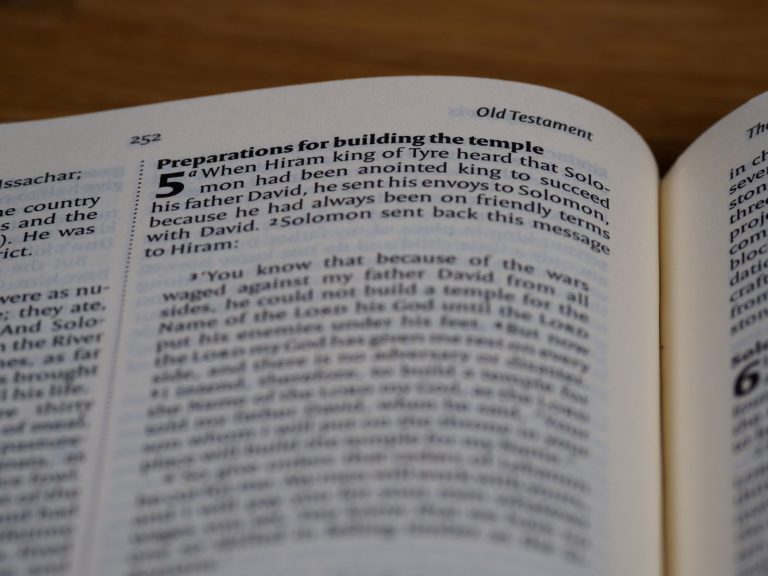
What is the GotQuestions Model of Biblical Answering?
What is the GotQuestions model for Bible study?
The GotQuestions model provides concise, direct, and scripture-saturated answers to specific user-submitted questions about the Bible and theology.
In 15+ years of teaching the Word, I have noticed that students often get lost in the weeds of theological jargon when they are simply looking for clarity on a specific verse. The GotQuestions model solves this by stripping away fluff, providing the direct answer first, and grounding every claim in specific book, chapter, and verse citations.
This method treats the Bible as the final authority, ensuring that the commentary never takes precedence over the text itself. It is a pedagogical tool designed to empower the layperson to study Scripture with confidence.
- Prioritizes directness: Answers the specific question in the first 50 words.
- Scripture-first: Every claim is supported by 1–3 specific biblical citations.
- Accessibility focus: Removes denominational jargon to reach a broader audience.
- Consistency: Uses the same structural cadence for every query answered.
You can see this approach in action on our what does the Bible say hub page, where complex topics are broken down into digestible parts.
Why is a direct approach important for Bible teaching?
A direct approach ensures clarity, prevents misinterpretation of complex passages, and helps the reader quickly connect doctrine to daily life.
In my years of teaching, I have found that readers are often overwhelmed by long-winded introductions. By getting straight to the point, we honor the reader’s time and focus their attention entirely on what God says in His Word.
This is particularly vital for someone asking, “is it a sin to worry?” When a person is experiencing spiritual distress, they do not need a three-page essay on the history of anxiety; they need to know what the Apostle Paul said in Philippians 4:6-7.
How does the model maintain biblical integrity?
Biblical integrity is maintained by constant, verifiable cross-referencing to ensure that no theological claim sits without textual support.
The strength of this model lies in its discipline. Every conclusion must be traceable back to a clear command, principle, or narrative within the sixty-six books of the canon.
When we approach a topic, we avoid private interpretation by checking our reading against the broader context of the passage. This practice protects the teacher and the reader from drifting into personal opinion rather than biblical truth.
How does the model handle difficult theological questions?
The model addresses complex theology by isolating the core biblical principle and acknowledging areas where believers have historically disagreed.
Can a direct model address multiple viewpoints?
Yes, the model acknowledges differing perspectives by briefly outlining the primary positions while consistently citing the relevant biblical texts.
Not every question has a single, universally agreed-upon answer. When a reader asks about secondary issues, we clarify where the evidence is clear and where there is room for faithful, respectful disagreement among Christians.
This prevents the creation of “echo chamber” theology. It teaches the reader how to differentiate between essential dogmas and secondary matters of conscience or tradition.
Why avoid denominational bias in these answers?
Avoiding bias ensures the focus remains on the Bible as the shared authority, making the answers accessible to all members of the body of Christ.
While I serve with a specific set of convictions, my role as a teacher is to point you back to the source text. When we minimize denominational labels, we allow the Holy Spirit to lead the reader in their own study.
This creates a space where a books of the Bible overview can be useful to anyone, regardless of their specific church background.
What are the primary benefits for the reader?
The primary benefits for readers are increased biblical literacy, improved critical thinking, and a firmer foundation for personal faith.
How does this improve biblical literacy?
The model builds literacy by forcing the reader to engage with scripture citations directly rather than relying on the teacher’s summary.
By reading the citations in their own Bible, the reader learns the context of the verses. Over time, this leads to a better grasp of the overall narrative of Scripture, from Genesis to Revelation.
Is this model suitable for new believers?
Yes, it is ideal for new believers because it answers specific questions without requiring an extensive background in systematic theology.
New Christians often have hundreds of questions about how to live and what to believe. This model acts as a guide, providing foundational answers that encourage deeper, independent study later on.
FAQ
Does this model discourage deeper study?
No, the model acts as a starting point that provides immediate clarity while encouraging the reader to explore the full context of every verse.
Is this model meant to replace the local church?
No, it is designed to supplement local church teaching and pastoral guidance by providing a reliable, scripture-based reference resource.
Can the model change based on the topic?
The structural commitment to direct, scripture-based answers remains the same, though the nuance of the explanation adjusts to the topic.
Who is the intended audience for this model?
The audience is anyone seeking clear, biblically grounded answers to specific questions about faith, life, and the Bible itself.
Does it ignore the historical context?
No, the model places high value on historical and cultural context to ensure that original meaning is not lost in modern translation.
Is it a sin to disagree with these answers?
No, as the model prioritizes the Bible above all human commentary, and readers are encouraged to be like the Bereans (Acts 17:11).
How are the Bible translations chosen?
We use standard, reliable translations that prioritize accuracy for study purposes, typically favoring the ESV, NASB, or NIV.
How often is the content updated?
Content is reviewed regularly to ensure that citations remain accurate and the explanations reflect the most recent scholarly insights.
Does the model address non-Christian questions?
Yes, it provides clear, thoughtful, and respectful answers for those who are investigating the claims of Christianity for the first time.
Can I suggest a question for this model?
Yes, we encourage readers to submit questions that help us build a more complete library of biblically-based answers for everyone.
— Pastor Thomas Whitfield, M.Div. (Last Updated: 2026-07-07)