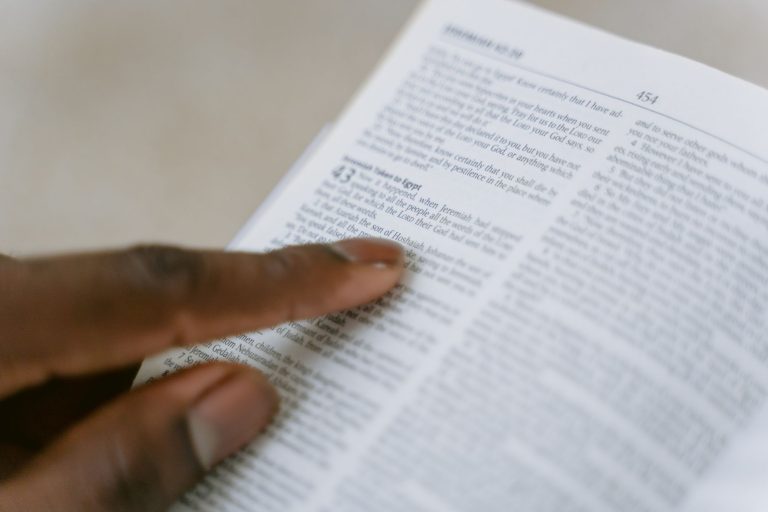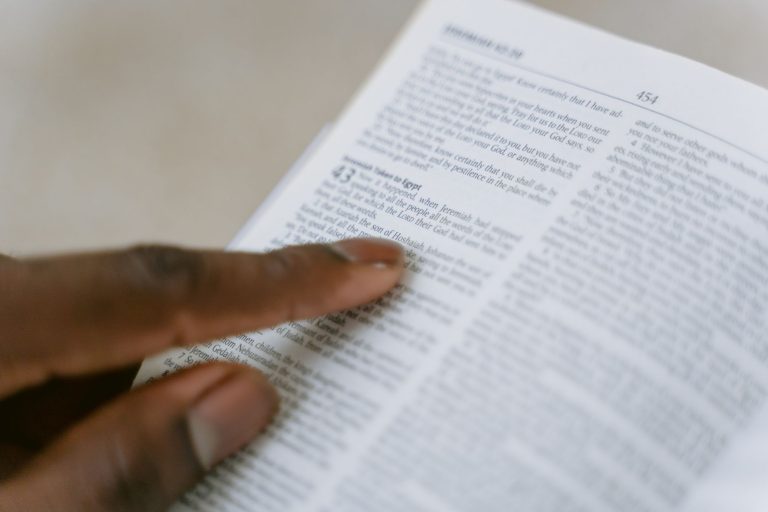
What Is Christian Theology and Why Does It Matter?
What Is the Definition of Christian Theology?
Christian theology is the systematic study of God, his nature, and his works as revealed through the Bible and the life of Jesus Christ.
In fifteen years of teaching, I have found that many students confuse theology with dry academic theory. In reality, the term comes from the Greek theos (God) and logos (word or reason). It is simply the practice of thinking deeply about who God is and what he has said.
Theology is not meant to be a detached intellectual exercise. It is the framework through which we interpret reality. Every person has a theology; the only question is whether it is an accurate reflection of biblical truth.
Why is theology often considered difficult to understand?
Theology feels complex because it involves synthesizing thousands of years of history, original languages, and profound metaphysical truths.
It is easy to become overwhelmed by terms like eschatology or soteriology. However, these are just shorthand tools used to organize biblical themes. Once you grasp the core categories, the pieces begin to fit together.
- Biblical Theology: Studying how God’s story unfolds across the canon.
- Systematic Theology: Organizing doctrines by topic, like the nature of the Trinity.
- Historical Theology: Examining how the Church has understood these truths over time.
- Practical Theology: Applying these doctrines to the challenges of modern life.
How does theology differ from personal opinion?
Theology must be grounded in the objective testimony of Scripture rather than personal feelings or shifting cultural perspectives.
In my classes, I remind students that if our ideas about God aren’t anchored in Scripture, we aren’t doing theology—we are merely constructing philosophy. Reliable theology always defers to the biblical text as the final authority.
Why Does Theology Matter for the Everyday Believer?
Theology matters because how you view God inevitably determines how you live, how you pray, and how you respond to suffering and joy.
If you believe God is indifferent to your struggle, your prayer life will reflect that. If you understand his sovereignty and his love, you approach life with a different posture. Theology is not a luxury; it is the oxygen of the spiritual life.
How does a theological worldview impact moral choices?
Your theology provides the moral compass that directs your decision-making in a world filled with conflicting ethical priorities.
When we understand the nature of sin and the transformative power of grace, our moral choices shift from legalistic rule-following to a desire to honor God. It transforms our ethics into an act of worship.
Can a person have a healthy faith without theology?
While one can have a genuine heart for God, a lack of theological foundation leaves the believer vulnerable to deception and confusion.
The Apostle Paul warns in Ephesians 4:14 against being “tossed back and forth by the waves” of false teaching. Robust theology serves as the anchor that prevents us from drifting when life becomes difficult or when we encounter complex new ideas.
What Are the Essential Pillars of Christian Theology?
The core pillars of Christian theology include the Trinity, the deity of Christ, the authority of Scripture, and the necessity of grace.
These pillars have been affirmed by the Church for centuries. They form the foundational truths that allow the body of Christ to remain united in essential matters despite secondary disagreements.
How does the Trinity function as a central theological pillar?
The doctrine of the Trinity teaches that there is one God eternally existing in three distinct persons: Father, Son, and Holy Spirit.
It is a mystery that defies total human comprehension, yet it is the only way to hold together the biblical data regarding God’s unity and the distinct roles of the persons within the Godhead.
What does it mean for Christ to be fully God and fully man?
The hypostatic union maintains that Jesus Christ is one person possessing both a complete divine nature and a complete human nature.
If Jesus were not fully man, he could not have died as a substitute for humanity. If he were not fully God, his death could not have been sufficient to bridge the infinite gap between humanity and the Creator.
Frequently Asked Questions About Theology
-
Is theology just for pastors and scholars?
Theology is for every Christian because every follower of Christ is called to love God with their whole mind and understand his Word.
-
How do I start studying theology if I am a beginner?
Start by reading a systematic theology survey for laypeople and committing to a deep, verse-by-verse study of a single book of the Bible.
-
Are there different schools of theological thought?
Yes, there are various traditions including Reformed, Arminian, and Pentecostal perspectives, all of which interpret certain texts differently.
-
Is systematic theology better than biblical theology?
Neither is better as they serve different purposes: biblical theology tracks the narrative, while systematic theology organizes the doctrines.
-
Does my theology change over time?
Healthy theology grows and deepens as you study the Word more carefully and gain wisdom through prayer and life experience.
-
Why do theologians disagree so much?
Theologians disagree because Scripture is vast and human understanding is finite, leading to differing interpretations of complex passages.
-
What is the relationship between theology and science?
Theology and science address different “how” and “why” questions, though they often intersect in our understanding of origins and human nature.
-
Can I be a Christian without studying theology?
Salvation is based on faith in Christ, not academic achievement, but theology is vital for spiritual growth and maturity in the faith.
-
What is the most important theological doctrine?
The gospel—the good news of Jesus’s life, death, and resurrection—is widely considered the central doctrine of the Christian faith.
-
Where can I find reliable theological resources?
Look for resources from reputable seminaries and established Christian publishers that prioritize the authority of the biblical text.
— Pastor Thomas Whitfield, M.Div.