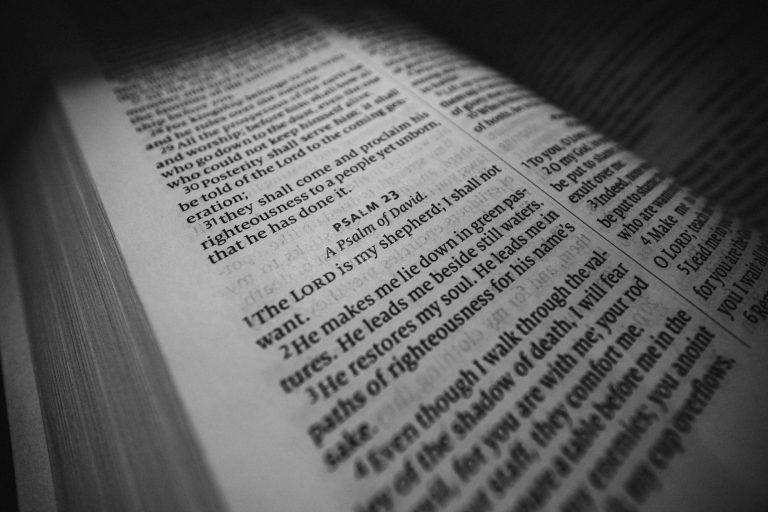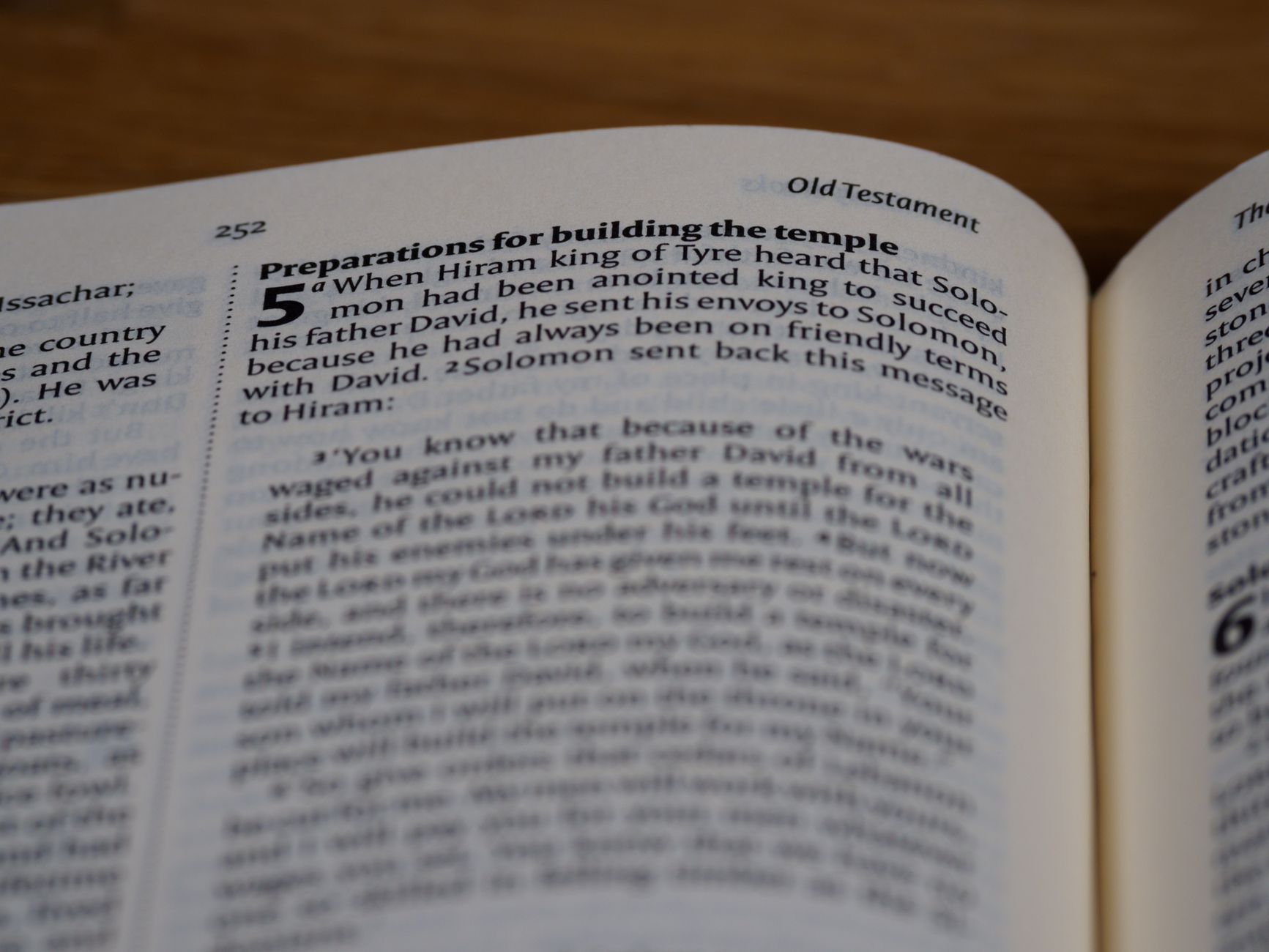
What Is the Old Testament and Why Does It Matter Today?
What Is the Old Testament in the Christian Bible?
The Old Testament consists of 39 books documenting God’s creation, the fall of humanity, and the covenantal history of the nation of Israel.
In 15+ years of teaching, I have noticed that many readers approach the Old Testament as a distant prologue to the New. They often see it as a collection of disjointed stories rather than a cohesive narrative. It is actually the essential foundation for everything that follows in Scripture. That is exactly what this article is going to untangle.
- The Old Testament contains 39 distinct books written over approximately 1,000 years.
- It is organized into four main categories: Law, History, Wisdom, and Prophecy.
- These texts were written by over 30 authors inspired by the Holy Spirit.
- Understanding the Old Testament is essential for interpreting the 27 books of the New Testament.
Who wrote the Old Testament and when?
The Old Testament was written by various prophets and leaders between 1400 BC and 400 BC, documenting Israel’s journey from creation to exile.
The composition of these texts spans roughly a millennium of human history. From Moses, traditionally viewed as the author of the Pentateuch, to the post-exilic prophets like Malachi, these writers spoke into specific cultural moments.
- The Torah (first five books) was likely compiled between 1400–1200 BC.
- The Historical books detail Israel’s monarchy from roughly 1000–586 BC.
- The Prophetic books address the nation during periods of decline and hope.
How is the Old Testament organized?
The Old Testament is organized into four sections: the Law (Pentateuch), History, Wisdom Literature, and Major and Minor Prophetic books.
While the Hebrew Bible organizes these differently (the Tanakh), the Christian tradition follows the Septuagint structure. This layout moves from the foundational laws of God to the rise and fall of the Davidic throne.
You can learn more about how these structures influence our reading by visiting our Bible study hub.
What Does the Old Testament Teach About God?
The Old Testament reveals God as the sovereign Creator, a righteous Judge, and a faithful covenant-maker committed to redeeming his people.
How does the Old Testament reveal God’s character?
The Old Testament displays God through his attributes of holiness, justice, mercy, and his enduring faithfulness to his covenantal promises.
Contrary to the common misconception that the Old Testament God is only “angry,” the text is filled with references to his steadfast love, or hesed. This Hebrew term describes a loyal, committed love that refuses to abandon the covenant.
What is the role of the covenant in the Old Testament?
Covenants serve as the structural framework of the Old Testament, defining the legal and relational commitments between God and humanity.
The Bible does not just offer random events; it follows specific covenants. From the promise to Noah to the law given to Moses, God sets the terms of engagement. These define how a holy God dwells among a fallen people.
Why Is the Old Testament Still Relevant?
The Old Testament provides the necessary context for the life, death, and resurrection of Jesus Christ as the promised Messiah of Israel.
How does the Old Testament connect to the New Testament?
The New Testament is built upon Old Testament prophecy, typology, and the establishment of the moral law that Christ came to fulfill.
Without the Old Testament, the concepts of sin, sacrifice, and priesthood in the New Testament lose their historical weight. You can explore these theological connections in our guide to deepening your faith.
Can a Christian ignore the Old Testament today?
Ignoring the Old Testament limits a believer’s understanding of God’s character, the origin of sin, and the historical reality of salvation.
Paul tells us in 2 Timothy 3:16 that “all Scripture is God-breathed.” To neglect the first two-thirds of the canon is to miss the drama of redemption.
Frequently Asked Questions
-
How many books are in the Old Testament?
The Protestant Old Testament contains 39 books, while Catholic and Orthodox canons include additional deuterocanonical works.
-
Was the Old Testament written in Hebrew?
Most of the Old Testament was written in Hebrew, with small portions of Daniel and Ezra written in Aramaic during the exile.
-
Is the Old Testament different from the Torah?
The Torah specifically refers to the first five books of Moses, while the Old Testament refers to the entire Hebrew collection.
-
Why does the Old Testament include laws we don’t follow?
Christians view the moral law as eternal, while ceremonial and civil laws were fulfilled by Christ and belong to Israel’s historical context.
-
Who is the main figure in the Old Testament?
While many heroes exist, the narrative is fundamentally about God and his unfolding plan to reconcile humanity to himself.
-
Does the Old Testament predict Jesus?
Yes, hundreds of prophecies and typological patterns throughout the books point to the coming of the Messiah.
-
What does “testament” mean?
The word testament refers to a covenant or a solemn agreement between two parties, in this case between God and his people.
-
Can I understand the Old Testament without help?
While accessible, historical and cultural context often helps modern readers grasp the original intent of the ancient authors.
-
Are there contradictions in the Old Testament?
Apparent contradictions usually resolve when accounting for different literary genres, perspectives, or historical contexts.
-
How should I start reading it?
Starting with Genesis to understand the foundation, followed by a Gospel, provides the best balance of narrative and theology.
The Old Testament is not merely an introduction; it is the stage upon which the drama of human redemption begins. It demands our attention, our patience, and our study. — Pastor Thomas Whitfield, M.Div.