What Is the Old Testament and Why Does It Matter?
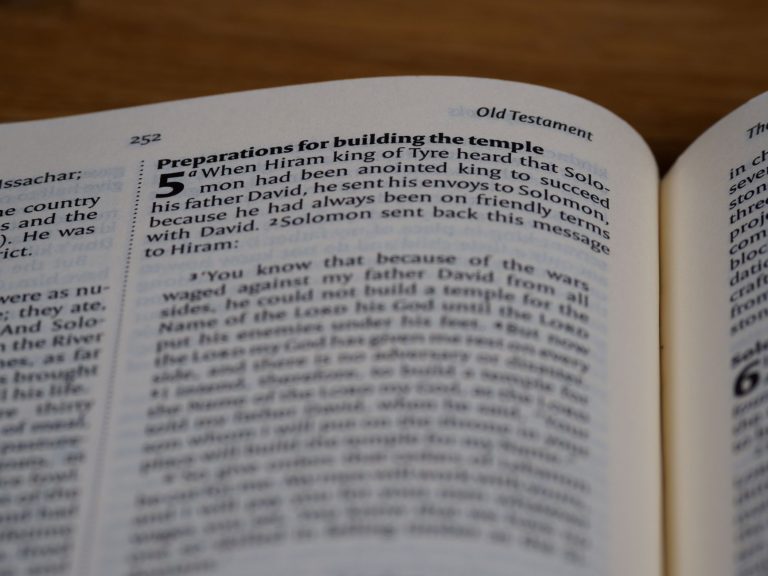
The Old Testament is the first major section of the Christian Bible, consisting of 39 books that record the history, laws, prophecies, and poetic writings of ancient Israel. It establishes the covenant relationship between God and humanity, laying the essential theological groundwork for the life and teachings of Jesus Christ found in the New Testament.
- The Old Testament contains 39 distinct books written over roughly 1,000 years.
- It is divided into four primary categories: Law, History, Poetry, and Prophecy.
- These texts represent the foundational scriptures for both Judaism and Christianity.
- Understanding these 39 books is required to grasp 100% of New Testament references.
In 15+ years of teaching the Bible, I have noticed that many readers treat the Old Testament as a distant, separate document from the New. This is a common misreading; the New Testament is consistently pointing back to the foundational story of the Old Testament to explain who Jesus is. Understanding this connection is essential for your spiritual formation.
What Are the Four Major Divisions of the Old Testament?
The Old Testament is categorized into 39 books grouped as Law, History, Poetry, and Prophecy, reflecting different genres of literature.
What Books Form the Pentateuch or Law?
The first five books, known as the Torah, provide the foundational narrative of creation, the patriarchs, and the Mosaic covenant laws.
The Pentateuch, or Torah, includes Genesis, Exodus, Leviticus, Numbers, and Deuteronomy. These books explain the origins of the world and the specific calling of the people of Israel.
- Genesis: The origin story and the patriarchs.
- Exodus: The deliverance from Egyptian slavery.
- Leviticus: Detailed laws for holiness and ritual.
- Numbers: The wilderness journey of the Israelites.
- Deuteronomy: Moses’ final instructions to the people.
What Is the Purpose of the Historical Books?
The historical books detail the rise and fall of the nation of Israel, covering the conquest, the monarchy, and the subsequent exile.
From Joshua through Esther, these books track how Israel lived in the land God promised. They provide a realistic, often difficult, look at human failure and divine faithfulness.
For more on how these figures shaped the nation, you can explore our guide to key biblical figures to understand their roles better.
What Role Do the Wisdom and Poetry Books Play?
These books express the human emotional and intellectual experience, offering prayers, songs, and proverbs for living a life of faith.
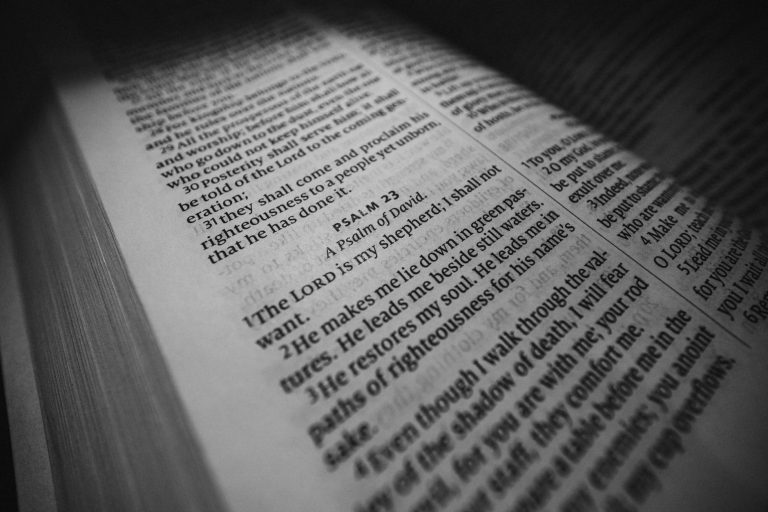
Job, Psalms, Proverbs, Ecclesiastes, and Song of Solomon provide the language of the soul. These books teach us how to bring our grief, joy, and wisdom to God.
Why Is the Old Testament Essential for Christians?
The Old Testament defines the character of God and provides the historical context necessary to interpret the work of Jesus Christ.
Does the Old Testament Reveal God’s Character?
The Old Testament is our primary source for understanding God’s nature, justice, mercy, and his persistent commitment to his creation.
Many people struggle with the portrayal of God in these texts. When we read them, we see a God who is deeply involved in human history and committed to redeeming a broken world.
How Does the Old Testament Point to Jesus?
The entire Old Testament narrative builds toward a future deliverer, with prophets providing specific markers for the coming Messiah.
If you are looking to see how these prophecies connect, check our resources on what the Bible says about key theological themes. Jesus himself cited these texts to establish his own authority and mission.
Frequently Asked Questions About the Old Testament
-
How many books are in the Old Testament?
The Protestant Old Testament canon contains 39 books, which are the same texts recognized in the Jewish Tanakh, though organized differently.
-
Who wrote the Old Testament?
The Old Testament was written by various authors over centuries, including Moses, David, Solomon, and several major and minor prophets.
-
Is the Old Testament still relevant today?
Yes, the Old Testament is highly relevant, providing the moral foundation, history, and spiritual vocabulary for Christian belief and life.
-
How do I start reading the Old Testament?
A common practice is to begin with Genesis to understand the narrative arc, then move to the Psalms for daily devotional reflection.
-
Deuterocanonical Books and the Catholic/Orthodox Old Testament Canon
While Protestants recognize 39 books, Catholic and Orthodox traditions include additional writings known as the deuterocanonical books, expanding the Old Testament to 46 (Catholic) or up to 49 (Orthodox) books.
These books—Tobit, Judith, Wisdom of Solomon, Sirach (Ecclesiasticus), Baruch, and 1 and 2 Maccabees, plus additional sections in Esther and Daniel—were written during the intertestamental period and are considered inspired by Catholics and Orthodox Christians. They appear in the Septuagint, the ancient Greek translation of the Hebrew Scriptures used widely in the early church.
The inclusion of these texts affects doctrine and liturgy; for example, passages from 2 Maccabees underlie the Catholic practice of praying for the dead, while Wisdom and Sirach are frequently cited in moral teaching.
| Tradition | Number of OT Books | Deuterocanonical Books Included |
|---|---|---|
| Protestant | 39 | None |
| Catholic | 46 | Tobit, Judith, Wisdom, Sirach, Baruch, 1 Maccabees, 2 Maccabees (plus additions to Esther and Daniel) |
| Orthodox (Greek) | 49 | Catholic deuterocanonicals plus 1 Esdras, Psalm 151, 3 Maccabees, 4 Maccabees (in some jurisdictions) |
If you feel overwhelmed by the depth of these books, remember that this is a long-term study. I encourage you to browse our guide to the books of the Bible for a structured approach to your reading.
— Pastor Thomas Whitfield, M.Div.
Last Updated: 2026-07-07