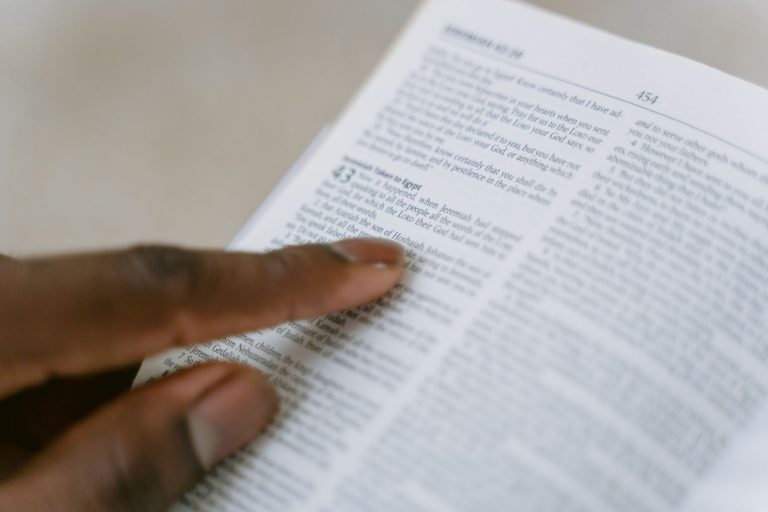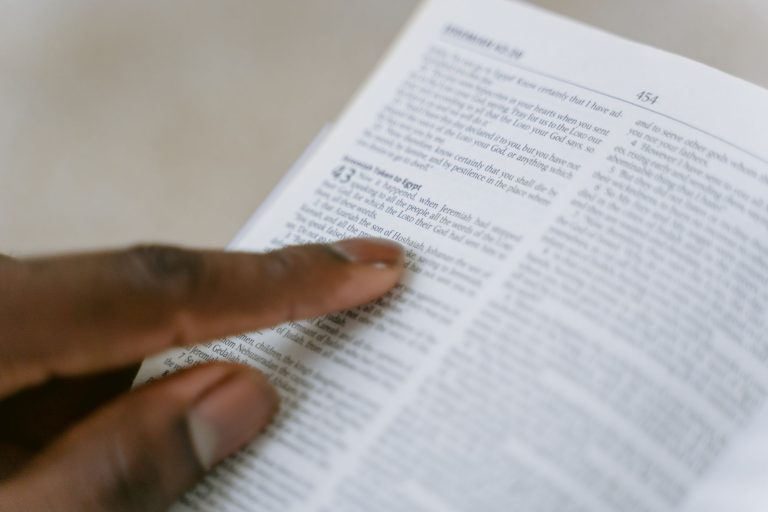
What Does Effective Bible Study Look Like for Beginners?
What Is the Primary Goal of Bible Study?
The primary goal of Bible study is to encounter God through his Word, moving beyond casual reading into deep understanding and practical obedience.
In 15+ years of teaching, I’ve noticed a common pattern: most people approach the Bible looking for a quick emotional boost rather than a transformative encounter. While comfort is found in Scripture, the text is designed for renewal of the mind and shaping of character. That is exactly what this article is going to untangle.
Why is context the foundation of study?
Context prevents the misapplication of verses by ensuring the reader understands the author’s original intent, audience, and historical setting.
Many errors in theology arise from lifting a verse out of its historical surroundings. To study effectively, you must ask who wrote the book, to whom it was written, and why it was written. For example, reading the Book of Proverbs as a list of absolute promises rather than general wisdom principles is a common trap.
How do observation, interpretation, and application work?
This three-step framework helps you observe what the text says, interpret what it meant then, and apply what it means for your life today.
- Observation: Note the verbs, pronouns, and structural connections in the passage.
- Interpretation: Compare the passage with other parts of Scripture to ensure consistency.
- Application: Identify one concrete way to align your behavior or mindset with the truth you discovered.
What Tools Are Essential for Deep Bible Study?
Essential tools include a reliable study Bible, a concordence, a basic commentary, and a notebook to document your reflections and discoveries.
Which Bible translations are best for serious study?
For deep study, translations that balance formal word-for-word accuracy with readability are preferred, such as the ESV, NASB, or the NIV.
While KJV or NLT have their uses, serious learners benefit from texts like the English Standard Version or the New American Standard Bible. These translations prioritize maintaining the structure of the original Hebrew and Greek. If you are just starting, exploring these translations can clarify difficult passages.
Why should you use a commentary?
A good commentary provides historical insights and theological perspectives from scholars who have dedicated their lives to studying the original languages.
Commentaries are like having a seasoned guide walk you through a foreign city. They help clarify complex cultural norms or linguistic nuances that are not immediately obvious. Use them after you have done your own observation to avoid letting someone else do all your thinking for you.
How Do You Maintain Consistency in Your Study Habits?
Consistency is built by choosing a manageable reading plan, picking a dedicated time, and engaging in study as a rhythmic spiritual discipline.
How can a study plan help you stay on track?
A structured plan prevents the aimless scrolling of pages by providing a clear reading path that covers the full breadth of the biblical canon.
- Start by reading through one of the Gospels to get to know Jesus.
- Use a reading plan that includes both Old and New Testament passages.
- Commit to a timeline that fits your schedule, whether it is 15 or 30 minutes daily.
How does community deepen individual study?
Studying in community provides accountability and exposes you to perspectives that challenge your biases and refine your understanding of God’s Word.
The New Testament assumes believers are part of a community. When you study with others, you benefit from the collective wisdom and experience of the group. If you find yourself stuck, talking through the passage with a mature friend can break through misunderstandings.
FAQ: Common Questions About Bible Study
Is it a sin to skip a day of Bible study?
Missing a day is not a sin, but failing to prioritize God’s Word over time may indicate a drift in one’s spiritual health and heart priorities.
How do I know if I am interpreting a verse correctly?
You know you are accurate when your interpretation is consistent with the rest of Scripture and aligns with the author’s original message.
Should I study the Old Testament or New Testament first?
New believers often benefit from starting in the New Testament to understand the life of Christ before tackling the Old Testament’s complex history.
Can I use digital apps for Bible study?
Digital apps are excellent tools, provided you maintain focus and do not let notifications or features distract you from deep engagement.
Do I need to learn Hebrew and Greek?
You do not need to learn the original languages, but using a lexicon to look up key words can significantly enhance your depth of understanding.
What should I do if a passage is confusing?
When a passage is confusing, read the surrounding chapters, consult a trusted commentary, and ask a mature teacher for clarity and guidance.
How does prayer connect to Bible study?
Prayer prepares your heart to receive truth, invites the Holy Spirit to guide your reading, and helps you internalize what you have learned.
Is listening to an audio Bible considered studying?
Audio is excellent for immersion, but active study usually requires slowing down to read, mark, and meditate on specific sections of the text.
Why does the Bible seem dry or boring sometimes?
Dryness often stems from lack of preparation or wrong expectations; treat study as a pursuit of a person, God, rather than just seeking information.
How long should my study sessions be?
Quality is more important than quantity; even fifteen minutes of focused, prayerful study is better than an hour of distracted, superficial reading.
True Bible study is not about mastering the text; it is about letting the text master you. By setting aside consistent time, using the right resources, and remaining rooted in community, you allow the Holy Spirit to shape your heart through the Word. May your study be a faithful pursuit of the God who speaks through every page. — Pastor Thomas Whitfield, M.Div.