What Is a Bible Verse and Why Was the Bible Divided This Way?
What Is a Bible Verse and Why Do We Use Them?
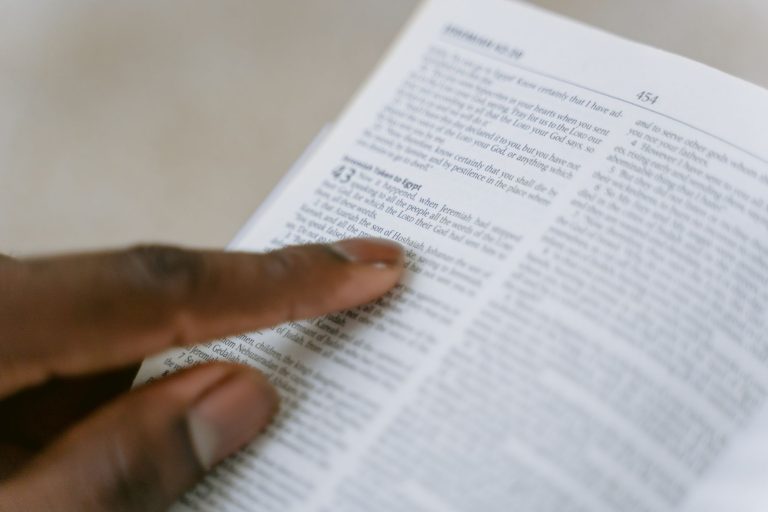
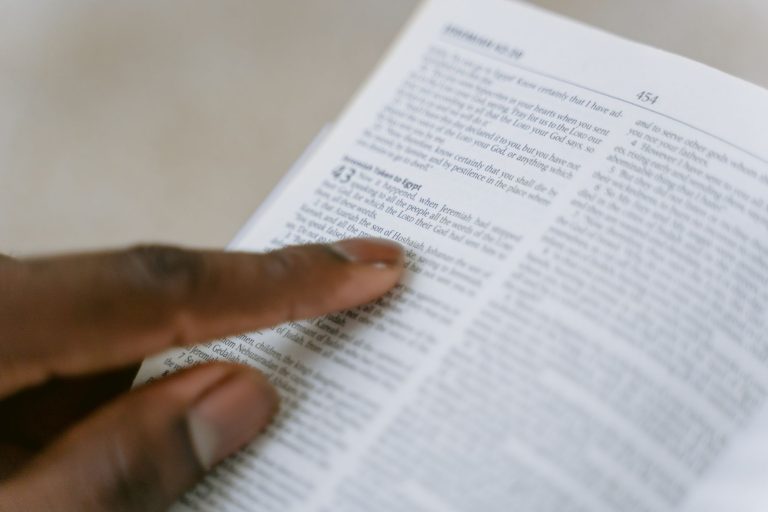
A Bible verse is a numbered segment within a chapter used to locate specific passages. These divisions help easy study and communication.
In 15 years of teaching, I have observed that most readers assume verse numbers were part of the original manuscripts. They were not. These markers are tools of convenience, not divine inspiration.
The original Hebrew and Greek texts were written as continuous streams of letters. Without consistent divisions, locating a specific teaching during a discussion was incredibly difficult for early scholars.
Today, verse numbering is standardized across almost every modern translation. This allows you to open any Bible and find the same text in the same location.
- Original biblical manuscripts contained 0 verse markers or chapter divisions.
- The current system uses roughly 31,000 verses across the entire Protestant Bible.
- The modern verse system was finalized in 1551 by a French printer.
- These numbers are organizational tools rather than semantic or theological breaks.
- Verdict: Use verses for quick reference, but always read the surrounding context.
When Were Verse Divisions First Introduced?
Early scholars in the Middle Ages created initial chapter breaks, while a French printer finalized the standardized verse system in 1551.
While medieval monks began dividing the text for easier memorization and indexing, their systems varied wildly. Early manuscripts had no universal agreement on where one section ended and another began.
The system we recognize today was popularized in the mid-16th century. It quickly replaced competing formats because of its efficiency in academic and church settings.
Why Are Some Verses Excluded in Certain Translations?
Some verses found in older translations were omitted from modern ones because they were not present in the earliest available Greek manuscripts.
You may occasionally notice that your Bible skips a number, such as jumping from verse 24 directly to 26. This is usually due to textual scholarship.
Modern translators strive to reflect the oldest, most reliable documents. When a phrase appears to be a later addition by a scribe, it is often moved to a footnote for clarity.
How Do Verse Numbers Impact Our Study of Scripture?
Verse numbers make referencing quick and efficient, but they often disrupt the natural flow of the original narrative and logical arguments.
Because these numbers were added centuries later, they sometimes fall in the middle of a sentence or a complex thought. This can lead to “proof-texting” where a single line is taken out of context.
I always encourage students at ScriptureUnpacked to ignore the numbers when reading for meaning. Try reading a paragraph or a whole chapter to see what the author was truly expressing.
Can Verse Numbers Change the Meaning of a Passage?
Numbers do not change the underlying text, but they can create false mental breaks that obscure the author’s original logic and transition.
Many readers mentally pause at a verse number, treating it like the end of a thought. In reality, biblical writers often built arguments that span dozens of consecutive verses.
- Avoid treating each verse as an isolated, independent unit of truth.
- Look for “hook words” that connect the end of one verse to the start of the next.
- Use the numbers only as an index for finding your place during study.
Is It Better to Read Without Verse Numbers?
Reading without distracting markers can help you engage with the narrative flow and recognize the structural rhythm of the biblical text.
Many scholars prefer “reader’s editions” of the Bible that remove numbers entirely. These formats allow you to experience the text more like an original letter or historical record.
Frequently Asked Questions About Bible Verses
-
Are verse numbers divinely inspired?
No, they are human-made additions created for the sake of organizational convenience.
-
Did Jesus or the Apostles use verse numbers?
No, they quoted Scripture by identifying sections of books, as the numbering system did not exist for another 1,500 years.
-
Why do different translations have different word counts per verse?
Translation styles vary between literal word-for-word and dynamic meaning-based, affecting phrasing within each verse.
-
Do all Bibles use the same numbering system?
Most major Christian Bibles use the same standard, though some ancient versions or specific traditions may vary slightly in their chapter structure.
-
What is the shortest verse in the Bible?
John 11:35, “Jesus wept,” is widely cited as the shortest verse in the English Bible.
-
What is the longest verse in the Bible?
Esther 8:9 holds the record for the most words in a single verse.
-
How should I cite a verse properly?
The standard format is Book Chapter:Verse, such as John 3:16.
-
Does every verse contain a complete sentence?
No, many verses contain only fragments of sentences that continue into the following verse.
-
How many total verses are there in the Bible?
Most standard Protestant Bibles contain approximately 31,102 verses.
-
Can I ignore verse numbers entirely?
Yes, especially when you are trying to understand the overarching theme or emotional progression of a book.
— Pastor Thomas Whitfield, M.Div.