What Are the Most Common Bible Questions Asked Today?
What Are the Most Frequent Bible Questions People Ask?
The most common Bible questions focus on morality, the nature of salvation, the existence of suffering, and how to interpret ancient texts.
In 15+ years of teaching, I have observed that people rarely ask for abstract theology. They ask questions that intersect with their own pain, confusion, or moral dilemmas. Most learners want to know how the ancient text maps onto their modern lives.
This search for clarity often begins with what the Bible says about specific behaviors. Understanding these patterns is exactly what we are going to untangle here.
Why Do People Find the Bible So Difficult to Understand?
The Bible is difficult because it is a collection of 66 books written over 1,500 years in cultures vastly different from our own contemporary world.
Readers often encounter barriers due to the vast historical distance between the original audience and today. We must bridge the gap between Hebrew poetry, Greek epistles, and modern logic.
- Language barriers: Translating from Hebrew, Aramaic, and Greek.
- Cultural distance: Understanding ancient social structures and laws.
- Genre variety: Distinguishing between historical narrative and metaphor.
- Interpretation methods: Balancing private reading with community tradition.
How Does Someone Start Studying the Bible Effectively?
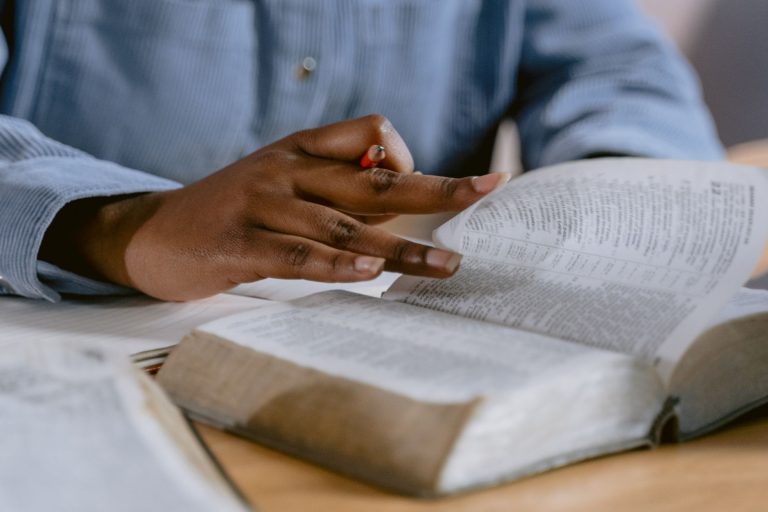
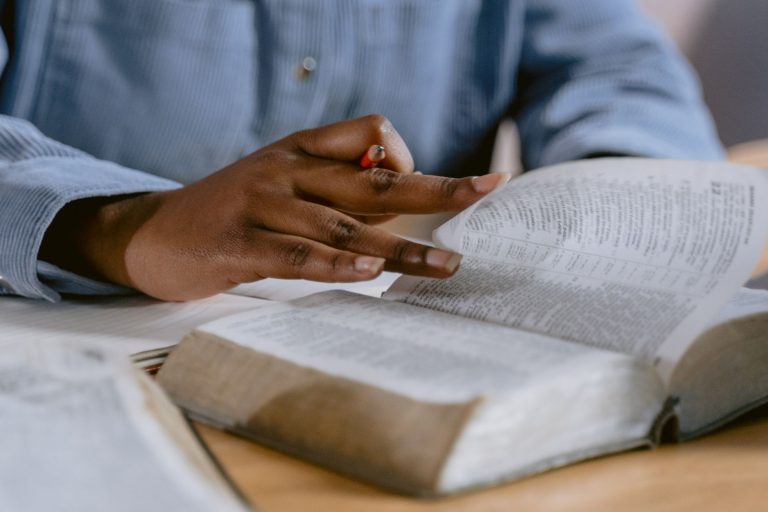
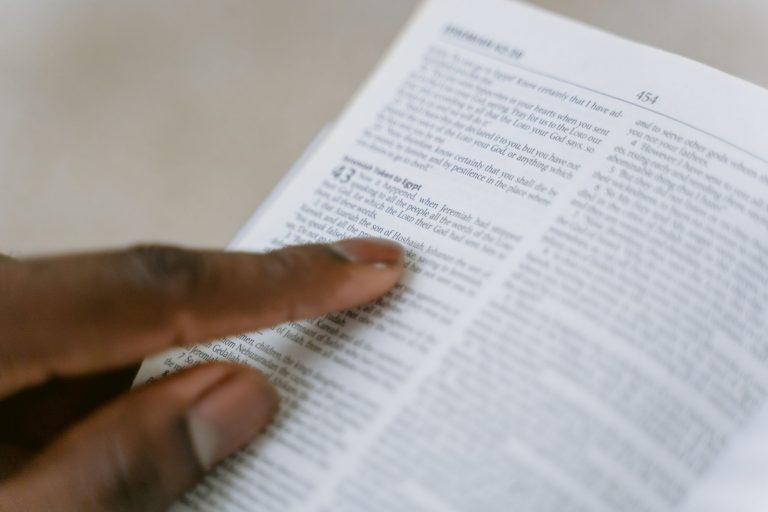
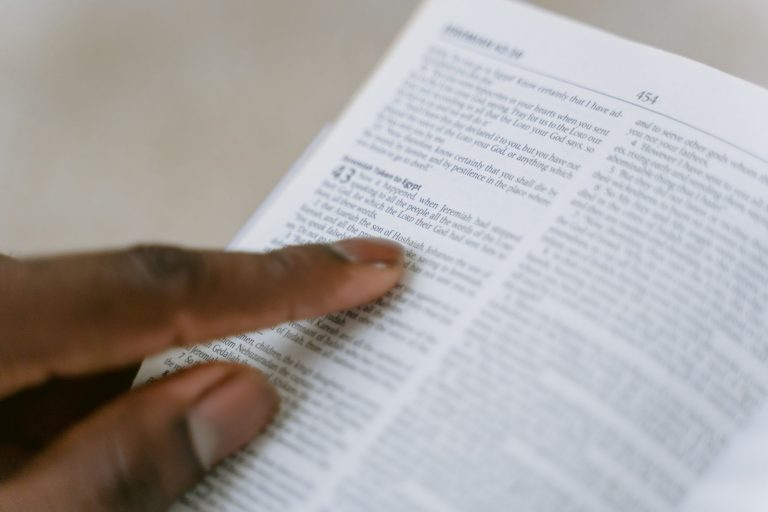
Effective Bible study requires choosing a reliable translation, reading in context, and using study tools for historical background.
Do not attempt to read the entire volume in a single sitting as you would a novel. Start with the Gospels to ground yourself in the life and teachings of Jesus before moving outward.
Using resources like books of the Bible guides can help you structure your reading path logically. Consistency in small, focused segments is far more effective than sporadic deep dives.
Is It a Sin to Question Your Own Faith?
Questioning your faith is not inherently a sin but a natural part of maturing as a believer who seeks to own their own convictions.
What Does the Bible Say About Honest Doubt?
The Bible depicts several figures, including Thomas and the psalmists, who voiced doubt and were met with grace rather than condemnation.
Doubt is not the opposite of faith; it is often the prerequisite for a stronger, more resilient trust. Scripture gives us permission to bring our confusion directly to God, as seen in the prayer and faith records of the Psalms.
How Do You Distinguish Between Sin and Confusion?
Confusion involves a lack of understanding or direction, while sin involves the intentional turning away from God’s revealed will or command.
I have sat with many people who fear that their questions are offensive to God. When you feel troubled by is it a sin inquiries, remember that God values the truth more than an unexamined, shallow performance of belief.
| Condition | Biblical Response |
|---|---|
| Honest Doubt | Bring it to God in prayer |
| Willful Sin | Repent and seek reconciliation |
| Spiritual Confusion | Study Scripture and seek wisdom |
Where Can You Find Reliable Answers to Bible Questions?
Reliable answers are found through reading the text in context, consulting scholarly commentaries, and participating in church community.
Why Should You Avoid Internet-Only Answers?
Internet answers often lack academic rigor, ignoring historical context in favor of personal agendas or rapid, superficial explanations.
Many sites simply echo popular misconceptions without checking original language roots. Always prioritize sources that cite their scholarly basis rather than relying on anonymous blogs.
Which Study Tools Are Most Helpful for Beginners?
Essential tools include a reputable study Bible, an interlinear Greek/Hebrew lexicon, and one-volume commentaries by respected scholars.
- ESV or NASB translations for accuracy.
- Blue Letter Bible for lexicon access.
- Commentaries by recognized scholars like F.F. Bruce.
- Thematic concordances for topical studies.
Frequently Asked Questions
-
What is the most read book in the Bible?
The Gospel of John is widely cited as the most read book due to its accessible language and clear focus on the person of Jesus Christ.
-
Is it okay to read the Bible out of order?
Yes, the Bible is a library, not a linear narrative; beginning with the Gospels is generally recommended for those new to the text.
-
How do I know which translation is best?
The best translation balances literal accuracy with modern readability, such as the ESV, NASB, or the NIV for different study needs.
-
Can I read the Bible without a church?
While private study is vital, the Bible assumes a community context for accountability, teaching, and living out its ethical commands.
-
Does the Bible contradict itself?
What appear to be contradictions are usually resolved through careful study of historical context, literary genre, and original languages.
-
How long does it take to read the whole Bible?
Reading for 15 minutes daily allows the average person to finish the entire Bible in roughly one year, though pace varies by reader.
-
What should I do if a passage feels offensive?
Pause to research the historical and cultural background to ensure you are understanding the author’s intent before arriving at a judgment.
-
Why are there different versions of the Bible?
Different versions exist to balance historical word-for-word accuracy with thought-for-thought clarity in modern English speech patterns.
-
Is archaeology helpful for answering Bible questions?
Yes, archaeology provides physical context for many biblical events, clarifying settings and confirming the historicity of specific locations.
-
How do I apply old laws to my life today?
Distinguish between the moral law, which remains constant, and ceremonial or civil laws that were specific to the ancient nation of Israel.
Ultimately, your study of the Bible is a lifelong process of transformation rather than a race to finish a book. Approach these questions with humility, and you will find that the text is more than capable of handling your deepest curiosities. — Pastor Thomas Whitfield, M.Div.