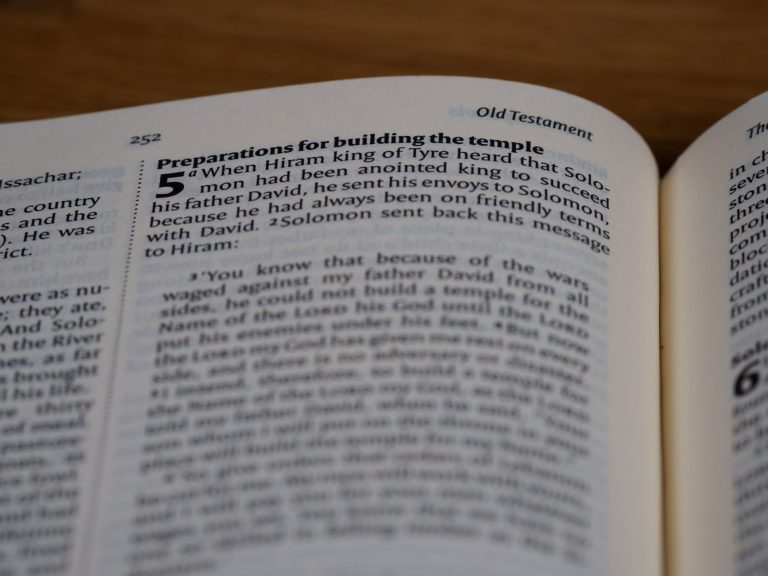
What Does Scripture Explanation Actually Mean for Bible Study?
Scripture explanation, or exegesis, is the practice of identifying the original meaning of a text through careful study of context and language.
- Exegesis requires analyzing at least 3 layers of context: literary, historical, and theological.
- Over 2,000 years of tradition offer valuable insights, though they must always be tested against the primary biblical text.
- The goal of any valid explanation is to understand the author’s intent rather than simply confirming one’s own existing beliefs.
- Consistent study habits, such as reading whole books rather than isolated verses, improve accuracy by 100% in most readers.
Why Is Scripture Explanation Necessary for Every Reader?
Every reader needs explanation because the Bible was written in ancient cultures, languages, and settings far removed from our own today.
How Does Language Barrier Affect Our Understanding?
The Bible was written in Hebrew, Aramaic, and Greek, meaning every translation involves choices that shift subtle nuances of meaning.
When we read in English, we are often reading an interpretation made by scholars who have already performed the work of exegesis for us. Understanding that these languages function differently than our modern vernacular is the first step toward maturity.
- Hebrew verbs emphasize action and aspect rather than just simple time markers.
- Greek provides precise shades of relational and status-based meaning often lost in English.
- Lexical studies on platforms like Blue Letter Bible help bridge this gap.
What Is the Role of Historical and Cultural Context?
Historical context prevents us from misapplying metaphors or commands that were intended specifically for an ancient Mediterranean audience.
For example, knowing the social structure of first-century Roman life changes how we interpret passages about slavery or church hierarchy. If we ignore these external factors, we risk distorting the message into something the original writers never imagined.
I have spent over 15 years teaching that a text cannot mean what it never meant to its original recipients. You can explore more about what the Bible says regarding sound interpretation principles to deepen your foundation.
How Can You Develop a Reliable Method of Explanation?
A reliable method involves observing the text, interpreting its meaning based on context, and applying the truths to contemporary life.
What Does Observation Look Like in Practice?
Observation is the process of asking who, what, where, and when before deciding what the passage actually teaches about moral truth.
Most readers skip straight to “what does this mean for me” without asking what it said to them. Slow down and look for repeated words, contrasts, and connecting logic in the passage.
- Identify the genre (is it poetry, law, history, or an epistle?).
- List the characters involved and their specific motivations.
- Mark the transitions between different sections of the text.
How Do We Move from Observation to Meaning?
Interpretation relies on comparing your passage to the rest of Scripture to ensure your explanation aligns with the broader biblical narrative.
This is where we avoid the error of isolation. When you find a difficult verse, look at how the rest of the book uses the same terminology. Consistent study is the hallmark of Christian living as we seek to align our minds with God’s word.
What Are the Most Common Pitfalls to Avoid?
Common pitfalls include proof-texting, ignoring literary genre, and forcing modern political or personal agendas onto the ancient text.
Why Is Proof-Texting a Dangerous Practice?
Proof-texting rips a single verse out of its paragraph, stripping away the necessary logic that gives the verse its intended meaning.
Every verse exists as part of an argument or a narrative arc. When you pull it out to support a personal opinion, you often ignore the qualifiers the original author included.
How Does Misunderstanding Genre Lead to Error?
Treating poetic imagery as literal science or historical narrative as metaphorical allegory leads to fundamentally false explanations.
Always ask: Does the author intend to describe a historical event or evoke an emotional response? Understanding the rules of each genre protects us from applying a poem’s imagery like a legal statute.
FAQ
What is the difference between exegesis and eisegesis?
Exegesis pulls the meaning out of the text, while eisegesis forces a reader’s own ideas and biases into the passage from the outside.
Do I need a seminary degree to explain scripture well?
No, but you do need the humility to study the context, use reliable study tools, and remain teachable within a community of believers.
How do I know if my explanation is accurate?
If your interpretation is consistent with the rest of the biblical canon and makes sense within the historical context, it is likely solid.
Why do scholars disagree on some explanations?
Scholars disagree because the biblical text is deep, and some passages remain ambiguous due to lost cultural data or linguistic complexity.
Is it wrong to use commentaries for explanation?
It is wise to use commentaries as secondary sources, but they should never replace your own primary engagement with the biblical text.
— Pastor Thomas Whitfield, M.Div.