Best Way to Use a Psalms Devotional in 2026? Start With Lament and Trust
What Is the Best Way to Use a Psalms Devotional in 2026?
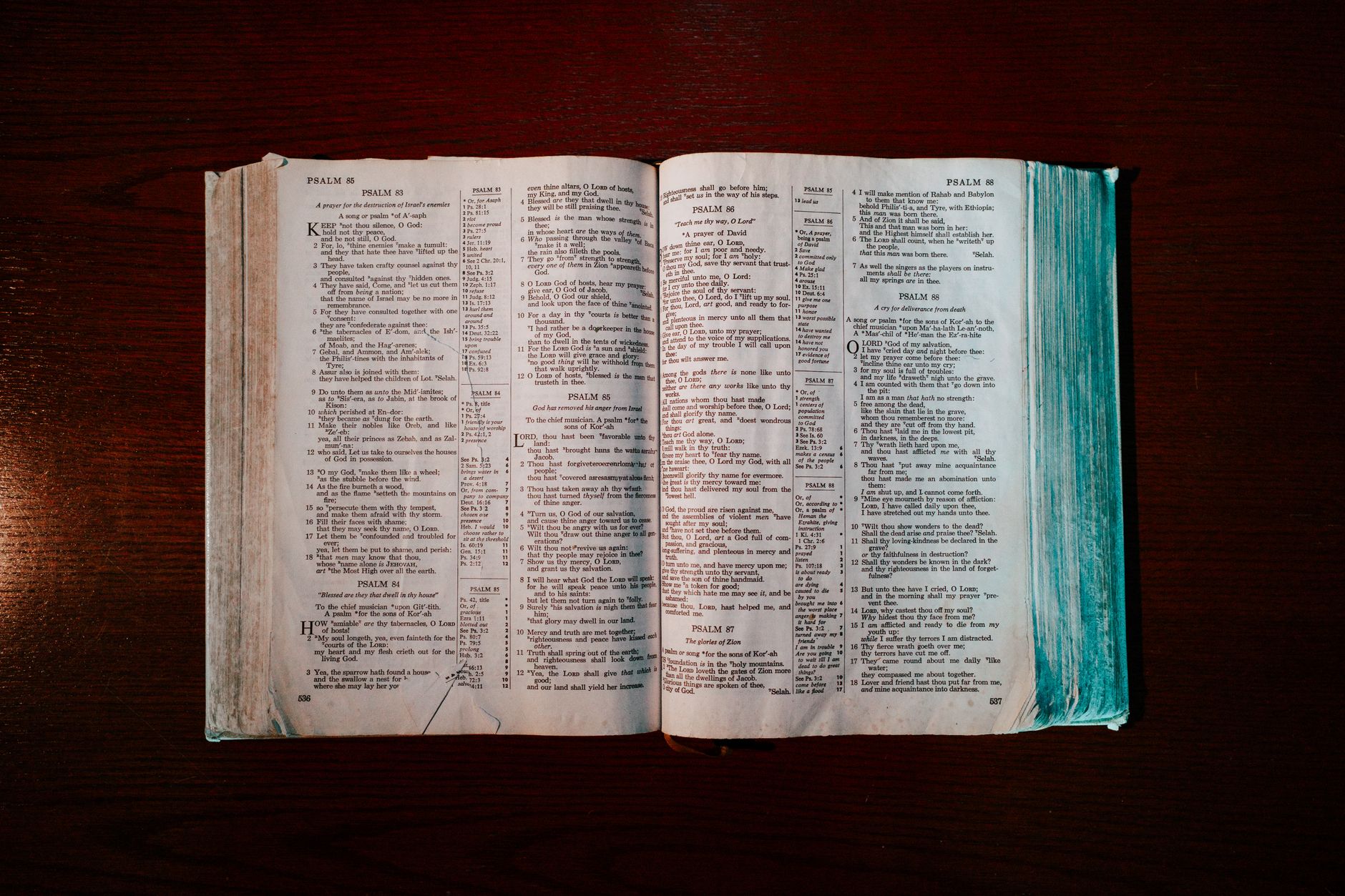
The best way to use a Psalms devotional is to treat the Psalter as a daily dialogue with God, reading one chapter slowly, journaling honest reactions, and ending with a focused prayer that mirrors the psalmist’s shift from lament to trust.
In 15 years of teaching Bible study, I have seen many people treat a devotional as a passive task to be checked off. However, the Psalms were never intended to be merely informational literature for your morning coffee. They are the emotional and theological heart of the what does the bible say archive. When you approach these texts, you are entering into a tradition of raw honesty before the Creator.
Whether you are using a structured book or a simple reading plan, your goal is to bridge the gap between ancient context and your present reality. This practice requires a shift from academic study to active worship — and that shift is the single most important improvement any 2026 devotional plan can make.
📖 How Do You Get the Most Out of a Daily Psalms Devotional?
The best way to use a Psalms devotional is to treat it as a dialogue with God, pairing specific verses with personal prayer and quiet reflection.
Most readers jump randomly to their favorite verses and miss the Psalter’s intentional structure. By contrast, the best devotionals anchor you in the original five-book arrangement that mirrors the Torah — guiding you from individual lament into communal praise and ultimate reliance on God.
Instead of chasing a daily number, focus on depth over distance. Read one psalm, then re-read the verse that struck you, and pause long enough to let its emotion settle into your bones.
📖 Why Is the Order of Psalms Important for Your Daily Growth?
The Psalter is organized in five distinct books, each mirroring the Pentateuch, to provide a structured path from personal struggle to corporate worship and confident hope.
Many readers do not realize the Psalms are intentionally arranged to mirror the Torah. This structure provides a narrative arc for your spiritual maturity. By following the designated order, you move from individual lament into communal praise and ultimate reliance on God.
Instead of jumping randomly to your favorite verses, try reading them in their sequential order. You will find that the progression of themes offers a more profound stability than a topical approach. This method honors the original intent of the inspired compilers and trains your heart to expect the turning point that appears in nearly every psalm.
📖 How Should You Journal During Your Time in the Psalms?
Journaling helps you capture your honest reactions to the text, transforming intellectual observation into a lasting record of divine grace.
Writing is a form of thinking. When you record your thoughts, you are slowing down the process of internalizing Scripture. Try identifying one verse that stands out and rephrasing it as a personal prayer.
This practice is especially useful when dealing with difficult emotions. The is it a sin category of questions often stems from misplaced guilt; the Psalms provide a template for bringing those burdens directly to God in writing.
- Write the verse in your own words to improve retention.
- List three things for which you are genuinely grateful today.
- Identify one attribute of God mentioned in the chapter.
- Draft a short prayer asking for guidance in a current trial.
📖 What Does the Bible Actually Say About Lamenting in the Psalms?
Lament is a fundamental biblical practice of bringing grief, confusion, and frustration to God to find resolution in his steadfast love and truth.
The Bible affirms lament as the honest response of a trusting child. Nearly one-third of the Psalms are laments that refuse to hide the reality of human suffering. They model a prayer and faith that speaks truthfully to God while refusing to let him go.
📖 Why Does God Want You to Express Your Negative Emotions?
God invites honest lament because it signifies a relationship built on absolute trust rather than performative or shallow religion.
One of the most profound realizations in my ministry is that God is not afraid of your anger or grief. Roughly one-third of the Psalms are laments that do not hide the reality of human suffering. They are the biblical model for prayer and faith when life feels overwhelming.
Avoiding these prayers suggests that you must be “happy” to approach God. The Psalms argue the opposite: you bring your whole self, including your pain, into his presence. This is the hallmark of a healthy spiritual life.
📖 How Can You Move From Complaint to Trust?
Most laments follow a transition from honest protest to a renewed declaration of trust in God’s sovereignty and enduring faithfulness.
Watch the turning point in these prayers. Often, the writer starts with “How long, O Lord?” but ends with a statement about God’s past reliability. This is not a magic trick; it is a discipline of refocusing your perspective.
When you use a devotional, look for this pivot in every chapter. By practicing this shift regularly, you train your heart to look for the light even when you are walking through the valley of the shadow of death.
| Psalm Type | Primary Function | Best Used For |
|---|---|---|
| Lament | Expressing grief | Hard seasons |
| Thanksgiving | Acknowledging help | Daily gratitude |
| Hymn | Praising God | Morning worship |
📖 In the Original Context — Pastor Thomas Whitfield
The Hebrew word ‘ānāh — translated in most English Bibles as “afflicted” or “humble” — carries the double sense of being brought low and of actively responding to that low place. When the psalmist says, “I humbly (ānāh) bow before you,” he is describing a posture both of pain and of submission. Understanding this term changes how you read the Psalms: humility is not passive resignation but a deliberate choice to place your brokenness before a reliable God. What this means for you: your next difficult season can become devotional fuel, not spiritual dead weight.
“The Psalms are the grammar of the soul’s honest conversation with God. To read them only as information is to flatten the living dialogue they were designed to spark.” — Pastor Thomas Whitfield, M.Div.
⚖️ How Modern Devotional Plans Compare to Traditional Practice
The top-ranked 2026 devotionals differ from older plans in one key way: they integrate daily lament prompts alongside gratitude lists. Where traditional plans jumped straight to praise, today’s best resources give equal space to grief. This shift reflects the reality that readers want honesty, not platitudes.
✅ Real-World Application: Your Next Seven Days
Day 1: Read Psalm 1 slowly, journaling your reaction to verse 1–2.
Day 2: Sit with a lament psalm — identify the turning point and mark it.
Day 3: Write a personal prayer using the psalmist’s words as a template.
Day 4: Pair a psalm with one of the biblical figures who embodied its spirit.
Day 5: Use a commentary note to clarify a historical detail, then close in silence.
Day 6: Recite a psalm aloud, noticing how sound affects meaning.
Day 7: Summarize your week with a one-paragraph reflection on growth.
| Plan Type | Time Commitment | Best For |
|---|---|---|
| Sequential (Book-by-Book) | 20–25 minutes | Structure lovers |
| Thematic (Topic-Based) | 10–15 minutes | Busy schedules |
| Lament-Focused | 15–20 minutes | Difficult seasons |
🔑 Key Takeaways
- There are 150 unique prayers and songs in the Psalter to guide your spiritual journey.
- Effective study requires spending at least 15 minutes in meditation rather than just reading.
- Most expert teachers recommend pairing your reading with a focused prayer and faith exercise.
- The final verdict is that consistent, heart-centered engagement beats superficial reading every time.
-
Is it better to read one Psalm per day or several?
Consistency matters more than volume; reading one Psalm deeply is more effective for spiritual formation than skimming multiple chapters.
-
Should I use a commentary alongside my devotional?
A reliable commentary can clarify historical context, but ensure it does not replace your primary time of reading Scripture and listening to the Holy Spirit.
-
How do I handle Psalms that feel unrelated to my situation?
Even unfamiliar psalms reveal God’s character; read them prayerfully and note any phrase that resonates, trusting the Spirit to apply them in time.
-
What should I do if a psalm leaves me feeling worse?
Feeling worse can signal that you are engaging honestly; journal those feelings and end with a simple prayer of trust, letting the psalmist’s hope carry you forward.
-
Can I pray the Psalms if I am not a Christian?
The Psalms address universal human experiences; anyone seeking truth can pray them, though Christian readers may layer in Christ-centered longing as they grow.
-
Do I need a special journal or expensive study Bible?
No special tools are required; a simple notebook and any readable translation will suffice as you begin consistent, heart-centered engagement.
-
How often should I reassess my devotional approach?
Every three months, briefly evaluate whether your plan fosters honesty and growth; small adjustments keep the practice fresh and faithful.
-
Why does journaling help me remember what I read?
Writing slows your thinking and converts fleeting impressions into retrievable thoughts, reinforcing long-term spiritual formation.
-
What distinguishes a good Psalms devotional from a mediocre one?
Quality devotionals prompt both lament and praise, include space for personal application, and avoid one-size-fits-all platitudes.
-
Should the Psalms shape how I pray in 2026?
Yes — the Psalms recalibrate prayer toward honest emotion, confident trust, and worship rooted in God’s unchanging character.
Start your 2026 Psalms devotional with lament and trust in tandem. Read slowly, journal openly, and let each psalm end with a personal prayer that mirrors its movement from complaint to confidence. That single practice will transform your entire devotional life.
— Pastor Thomas Whitfield, M.Div.
Last Updated: 2026-07-09
🗣️ What Scholars and Teachers Say About Psalms Devotionals
Many respected Bible teachers note that the most effective Psalms devotionals combine three elements: slow reading, emotional engagement, and written reflection. A common pastoral teaching holds that spending at least fifteen minutes in meditation produces deeper formation than skimming multiple chapters. Most expert leaders also encourage pairing reading with a focused prayer and a specific faith exercise tied to the psalm’s central theme.