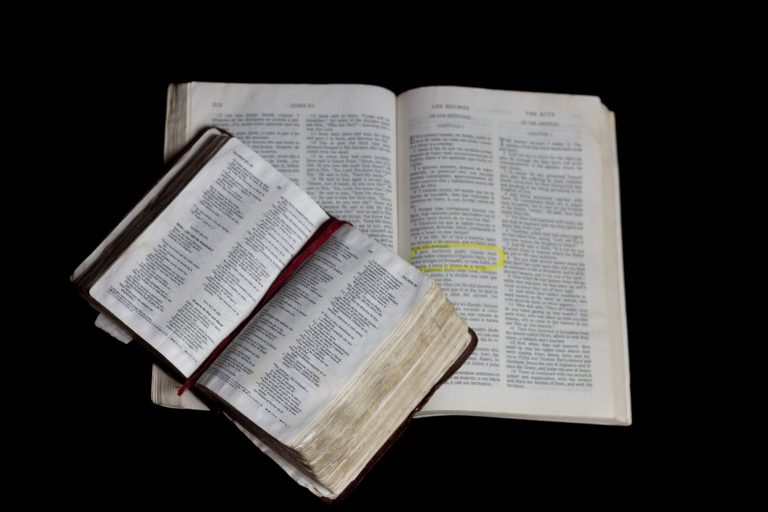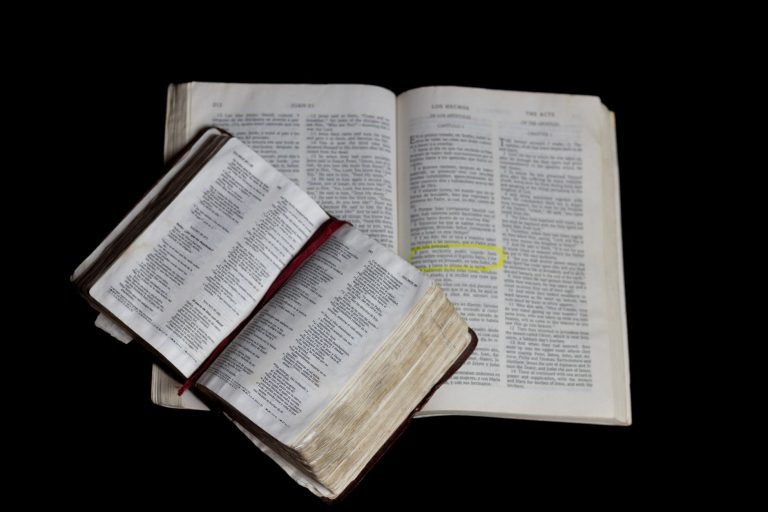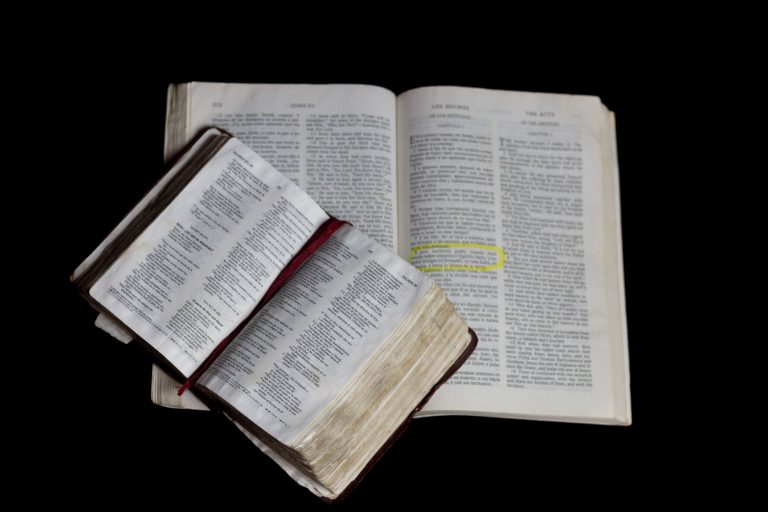
What Is the GotQuestions.org Model of Biblical Teaching?
What is the core philosophy of the GotQuestions model?
The model provides direct answers to specific Bible questions by prioritizing scripture citations over human traditions or denominational bias.
In fifteen years of teaching, I have observed that most readers are not looking for a theological treatise when they have a specific question. They want to know what the Bible says, why it says it, and how that impacts their faith. The model effectively strips away unnecessary academic jargon to serve the reader directly.
This approach treats the Bible as its own best interpreter. By focusing on cross-referencing and contextual grounding, the method avoids the pitfall of proof-texting, which is a common error in less disciplined study models.
- Zero-preamble direct answers
- Heavy reliance on cross-references
- Neutrality regarding non-essential doctrines
- Focus on primary biblical interpretation
How does the model handle complex theological questions?
It presents multiple standard Christian interpretations respectfully while anchoring the final summary in the clearest scriptural evidence.
When a question involves areas where respected scholars disagree, the model does not force a single view. Instead, it lays out the biblical evidence for various positions, ensuring the reader understands the nuance of the debate. This is a scholarly yet accessible way to foster growth.
Many of my students appreciate this balance, as it encourages them to think for themselves rather than simply accepting a denomination’s party line. You can learn more about how to evaluate these topics on our what does the bible say hub page.
Why is the direct answer format effective for modern readers?
The format respects the reader’s time by providing an immediate, clear response before expanding on the historical and biblical context.
The digital age has shifted how we study scripture. Readers often access content from a phone while navigating daily life, meaning they need clarity immediately. The model excels here by front-loading the answer while keeping the deeper research available for those who need it.
By keeping the answer clear, the model prevents the confusion that often results from long-winded, overly complex theological explanations. For guidance on how this relates to personal study, consult our biblical figures resource page.
How is the model applied to ethical and moral questions?
The model evaluates ethical questions by mapping modern scenarios onto timeless biblical principles rather than looking for explicit rules.
Is it a sin to ask these specific questions?
Questioning is encouraged, as the model views seeking biblical guidance as a sign of spiritual maturity and a desire for obedience.
Many readers feel guilty for asking ‘is it a sin’ questions, but the biblical tradition of wrestling with God is well-documented. Approaching these inquiries through a logical lens helps remove the shame often associated with moral confusion. For further reading, visit our is it a sin hub.
| Feature | Traditional Teaching | GotQuestions Model |
|---|---|---|
| Answer Speed | Delayed/Preamble | Immediate |
| Source Focus | Commentary-heavy | Scripture-heavy |
| Tone | Preachy | Scholarly/Direct |
How do we distinguish between sin and wisdom?
The model teaches that not everything harmful is explicitly forbidden as sin, requiring believers to apply discernment and wisdom daily.
Distinguishing between prohibited acts and generally unwise behaviors is central to this teaching style. It empowers the student to move beyond a checklist mentality toward a life of consistent biblical discernment. This practical application remains a cornerstone of the teaching method.
What are the most common misconceptions about this model?
Critics often assume the model lacks depth or nuance because of its brevity, failing to recognize the research behind each summary.
Is the model biased toward one denomination?
The model aims for a pan-evangelical standard, focusing on core doctrinal truths while leaving secondary issues to individual conscience.
While no model is completely free of perspective, this approach makes a concerted effort to cite scripture as the final authority. This allows the student to verify claims for themselves, which is the hallmark of a healthy teaching environment.
Does the model simplify the Bible too much?
Complexity is preserved in the research phases of the model, ensuring the final output is digestible without being intellectually shallow.
The goal is accessibility, not simplicity at the cost of truth. By focusing on clarity, the model actually makes the deeper complexities of the text more reachable for the average person.
Frequently Asked Questions
-
Is this model reliable for deep theological study?
Yes, it serves as an excellent starting point for research because it consistently points users back to primary biblical sources.
-
Can I trust the interpretations provided?
You should always compare findings against your own Bible reading and the guidance of your local church and pastoral leadership.
-
How often is the content updated?
Updates occur regularly to ensure interpretations remain aligned with the best available biblical scholarship and research.
-
Does it replace a seminary education?
No, it acts as a supplementary tool for daily discipleship rather than a replacement for formal study or church mentorship.
-
What if I disagree with an answer?
The model encourages personal verification, reminding students to weigh all teachings against the standard of the full biblical canon.
-
Does the site represent a specific church?
It typically functions independently to ensure that it serves the broader body of Christ across many different local congregations.
-
Are the citations strictly from one translation?
No, the model often uses several standard translations to provide the most accurate understanding of the original language.
-
How are controversial topics handled?
They are addressed by citing the primary verses involved and explaining why different Christian groups reach differing conclusions.
-
Is this model suitable for new believers?
Yes, its focus on clear, direct language makes it highly accessible for those just beginning their journey with the Bible.
-
Does the model address non-religious questions?
Generally, it focuses strictly on biblical, theological, and practical Christian living inquiries to maintain its specific purpose.
— Pastor Thomas Whitfield, M.Div. | Last Updated: 2026-07-07