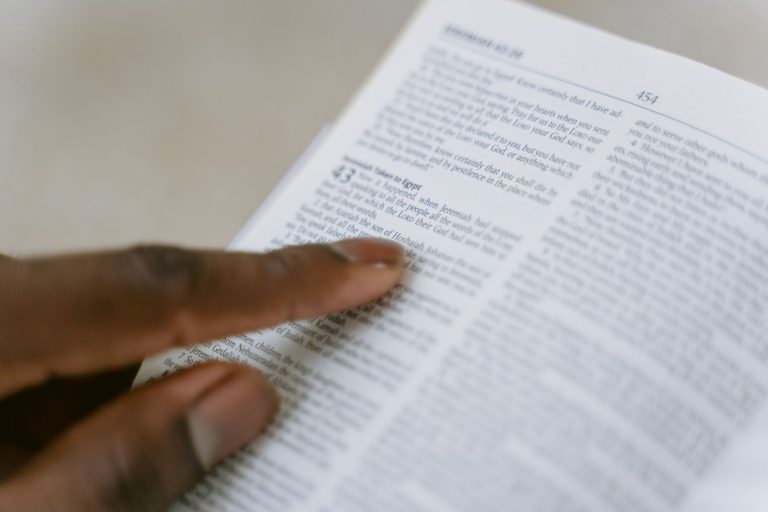
What Is a Christian Theology Guide? A Practical 2026 Overview
What Is the Primary Purpose of a Christian Theology Guide?
A theology guide helps believers organize biblical truth into a coherent system to understand God, salvation, and human purpose clearly.
In 15+ years of teaching this subject, I have noticed that most people find theology intimidating because they view it as an abstract academic exercise. Theology is actually the study of God, and every Christian is, by definition, a theologian. A guide simply provides the map for that study.
This is not about cold facts or dusty volumes. It is about aligning your thinking with the revealed word of God to inform your daily life. A good guide organizes this vast subject into manageable categories.
Why Should Every Christian Study Systematic Theology?
Systematic theology categorizes biblical teachings into logical groups, helping you see how different scriptures relate to one another.
Many readers struggle to connect the dots between Genesis and Revelation. Systematic theology answers this by grouping topics like the nature of God, sin, and the church into logical branches. It ensures your understanding remains balanced across the whole of Scripture.
- Establishes a consistent worldview based on the Bible
- Protects against errors in teaching or belief
- Provides clear answers to difficult moral questions
- Helps connect the Old and New Testaments
How Does Biblical Theology Differ From Systematic Approaches?
Biblical theology tracks how specific themes like covenant or sacrifice develop chronologically from Genesis through the New Testament.
While systematic theology looks at what the Bible says about a topic overall, biblical theology looks at the narrative arc. It follows the unfolding of God’s plan through the history of Israel and the mission of Jesus. Both methods are vital for a healthy understanding of God’s Word.
Where Does Historical Theology Fit Into the Framework?
Historical theology examines how the Church has interpreted scriptures across two millennia to avoid repeating past interpretive errors.
We do not read the Bible in a vacuum. Historical theology teaches us how early councils, reformers, and saints wrestled with the same questions we face today. This keeps us from falling into old traps that the Church has already settled.
How Do You Begin Your Study of Christian Theology in 2026?
Start with a foundational survey book or a structured reading plan to ensure you cover essential doctrines without becoming overwhelmed.
What Are the Best Resources for Beginners?
Beginners should use one-volume systematic theology books that prioritize readability, clear definitions, and heavy scripture usage.
You do not need a seminary library to start. Many respected Bible scholars note that focusing on the central books of the Bible is the best first step. Look for resources that prioritize the text of Scripture over secondary arguments.
How Can You Structure a Personal Study Plan?
Consistency is key, so dedicate 30 minutes daily to reading one theological topic alongside your standard Bible reading time.
The best study plans are sustainable. Rather than trying to master everything in a month, focus on one doctrine—such as the nature of Jesus or the purpose of prayer—per week. This is an essential practice for anyone engaging in deepening their walk with God.
What Role Does Community Play in Theological Growth?
Theology is meant to be lived in community, where accountability and diverse perspectives challenge your blind spots and biases.
Never study in total isolation. Discussing these concepts with your church community prevents you from drifting into private interpretations. The goal of theology is not private knowledge, but collective maturity in Christ.
FAQ: Common Questions About Christian Theology
Is theology only for pastors and scholars?
No, theology is the study of God, and every believer is called to love God with their mind as well as their heart and strength.
Which theological tradition is the right one?
Focus on orthodox foundations—like the Trinity and the deity of Christ—rather than minor denominational distinctives at the start.
How do I know if my theology is accurate?
Accurate theology is always measured by its submission to the entirety of Scripture and the historical consensus of the early Church.
Does studying theology ruin the joy of faith?
Properly done, theology fuels worship by deepening your awe of God’s character rather than replacing a relationship with dry facts.
Where can I find trustworthy theological guides?
Look for publishers and seminaries that uphold the authority of Scripture and focus on historical Christian orthodoxy.
Is it a sin to disagree with theological norms?
Disagreement is not inherently sinful, but pride in holding non-orthodox views is a concern addressed throughout the epistles.
Should I prioritize doctrine or experience?
True Christian living balances sound doctrine with a vibrant, Spirit-led experience that stems from that truth.
Are there digital tools for theology?
Yes, high-quality digital lexicons and theological databases exist, but they should supplement, not replace, printed Bible reading.
What are the ‘essentials’ of theology?
Essential theology centers on the Trinity, the inspiration of Scripture, the sinfulness of man, and the sufficiency of Christ’s work.
How does theology affect daily decisions?
Theology acts as a filter, guiding your ethics, your response to suffering, and your motivation for service in the local church.
In my years of teaching, I have seen many students worry that theology is too difficult. It is not. It is simply the lifelong, beautiful work of knowing the One who created you. — Pastor Thomas Whitfield, M.Div.