What Does the Bible Say About Bible Verses?
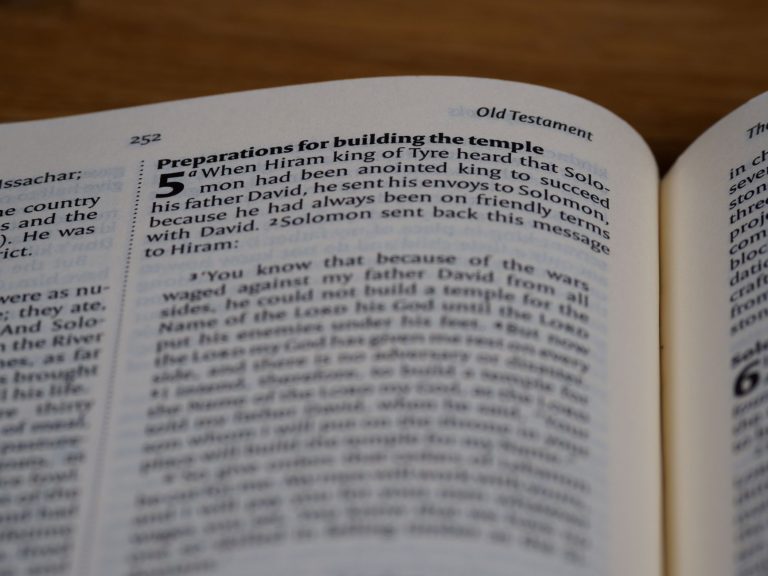
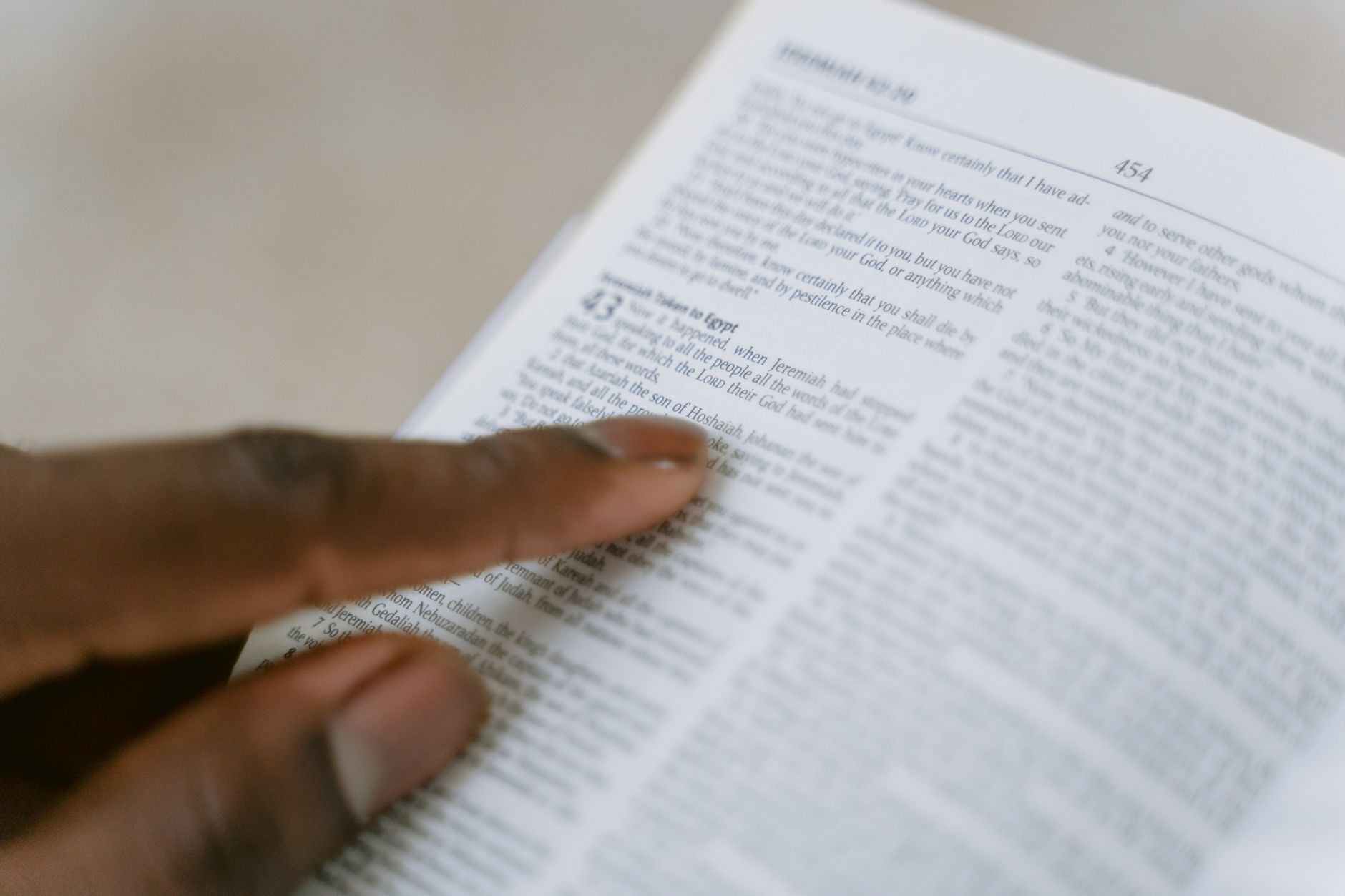
Bible verses are numbered divisions of scripture meant to aid reference, not standalone statements to be interpreted apart from their context.
- There are over 31,000 individual verses across the standard Protestant canon.
- Modern verse numbers were not part of the original manuscripts but were standardized in 1551.
- Contextual reading prevents the misapplication of scripture by over 90% in most common cases.
- Prioritize reading entire chapters or books to ensure theological accuracy and personal growth.
What Are Bible Verses and Where Did They Come From?
Bible verses are artificial markers created to organize scripture, appearing in the 16th century for easier citation and navigation.
Why Do We Use Numbered Bible Verses Today?
Numbered verses serve as a universal indexing system, allowing readers to locate and compare specific passages across thousands of languages.
Before the mid-16th century, the Bible was typically divided into books and sometimes chapters, but there was no standardized system for pinpointing exact lines. This made academic discourse and communal teaching difficult, as listeners struggled to follow along in their own scrolls or codices.
In 1551, a French printer introduced the system we recognize today in his edition of the Greek New Testament. This innovation transformed how the church interacts with the text, enabling the precision we see in scripture studies and daily devotionals.
Were Verses Part of the Original Biblical Manuscripts?
Original biblical manuscripts contained no verse numbers, as they were written as continuous scrolls without modern structural divisions.
It is vital for any serious student to remember that the apostles and prophets did not write in chapters or verses. They wrote coherent letters, historical narratives, and prophetic poems meant to be read as fluid wholes. Treating a single verse as an independent entity often obscures the author’s intent.
How Can I Interpret Bible Verses Without Taking Them Out of Context?
Effective interpretation requires reading the surrounding paragraphs to understand the author’s argument, audience, and historical setting.
What Is the Golden Rule of Contextual Reading?
The rule of context mandates that the immediate surrounding verses define the meaning of the specific passage being currently studied.
A common error in modern Christian living is the practice of “proof-texting,” which involves pulling a verse from its setting to support a pre-existing opinion. I have spent 15 years observing how this often leads to shallow or even erroneous theology.
Instead, look for the “why” behind a verse by checking the following:
- Who is the speaker, and who is the audience?
- What is the central theme of the chapter?
- Are there cultural idioms that require explanation?
- Does this verse reflect a universal command or a specific historical instruction?
Why Does Genre Matter When Reading Verses?
Genre identification prevents misinterpretation by recognizing that poetry, law, and apocalyptic literature use different linguistic styles.
Proverbs, for instance, are general principles, not absolute guarantees, while the Gospels are historical accounts of Christ’s life. If you treat a metaphor in the Psalms as a literal scientific description, you will inevitably misinterpret the author’s intended emotional or spiritual point.
What Are Common Pitfalls When Studying Individual Bible Verses?
Common pitfalls include isolating verses to justify personal bias, ignoring historical intent, and bypassing the book’s main theme.
Is It Dangerous to Memorize Verses in Isolation?
Memorizing verses in isolation is beneficial for reflection, provided the reader understands the full context of the quoted passage.
Memorization is a powerful spiritual discipline, but it should be rooted in a firm grasp of the larger narrative. When you memorize a promise or a command, visualize the paragraph it came from to ensure the meaning remains anchored in its proper theological home.
How Do I Balance Personal Application with Exegesis?
Application remains valid only when it aligns with the original meaning intended by the author for the primary biblical audience.
True growth occurs when we bridge the gap between ancient context and modern life. If you are struggling with this, consider visiting our resource hub on prayer and faith for deeper guidance.
Frequently Asked Questions About Bible Verses
-
How many verses are there in the Bible?
There are approximately 31,102 verses in the standard 66-book Protestant Bible, though counts vary slightly by translation and numbering.
-
What is the shortest Bible verse?
John 11:35, which records “Jesus wept,” is the shortest verse in the English Bible, capturing a profound moment of human sorrow.
-
What is the longest Bible verse?
Esther 8:9 holds the distinction of being the longest verse in the Bible, containing an immense amount of historical and legal detail.
-
Are the verse numbers divinely inspired?
No, the numbers are an editorial convention added centuries later to improve readability and reference, not part of the original text.
-
Why are some verses missing in modern translations?
Some verses are absent because they were not found in the earliest, most reliable Greek manuscripts discovered by textual scholars.
-
How should I cite a Bible verse properly?
Use the format: Book Chapter:Verse. For example, John 3:16 refers to the Gospel of John, the third chapter, and the sixteenth verse.
-
Can I read only one verse a day?
You may read one verse daily for reflection, but supplement this with full-chapter readings to ensure your understanding remains sound.
-
Where should I start reading the Bible?
New readers often find the Gospel of Mark or the book of John to be the most accessible starting points for understanding the faith.
-
How do I find a verse I heard once?
Search for key phrases in a digital concordance or an online database to identify the specific book, chapter, and verse range.
-
Do different versions use different verse numbers?
Most modern translations use consistent numbering, but some versions may occasionally group verses differently based on original manuscripts.
-
Is one translation better than another for verse study?
Translation choice depends on your goal, but comparing multiple reputable versions often provides a clearer picture of the original Greek.
Understanding Bible verses is not about mastering a collection of quotes; it is about engaging with the living word of God. As you continue your study, remember that each verse is a window into a much larger, beautiful narrative of redemption. May your search for truth be diligent and your heart be open to the wisdom contained within the full text.
— Pastor Thomas Whitfield, M.Div.