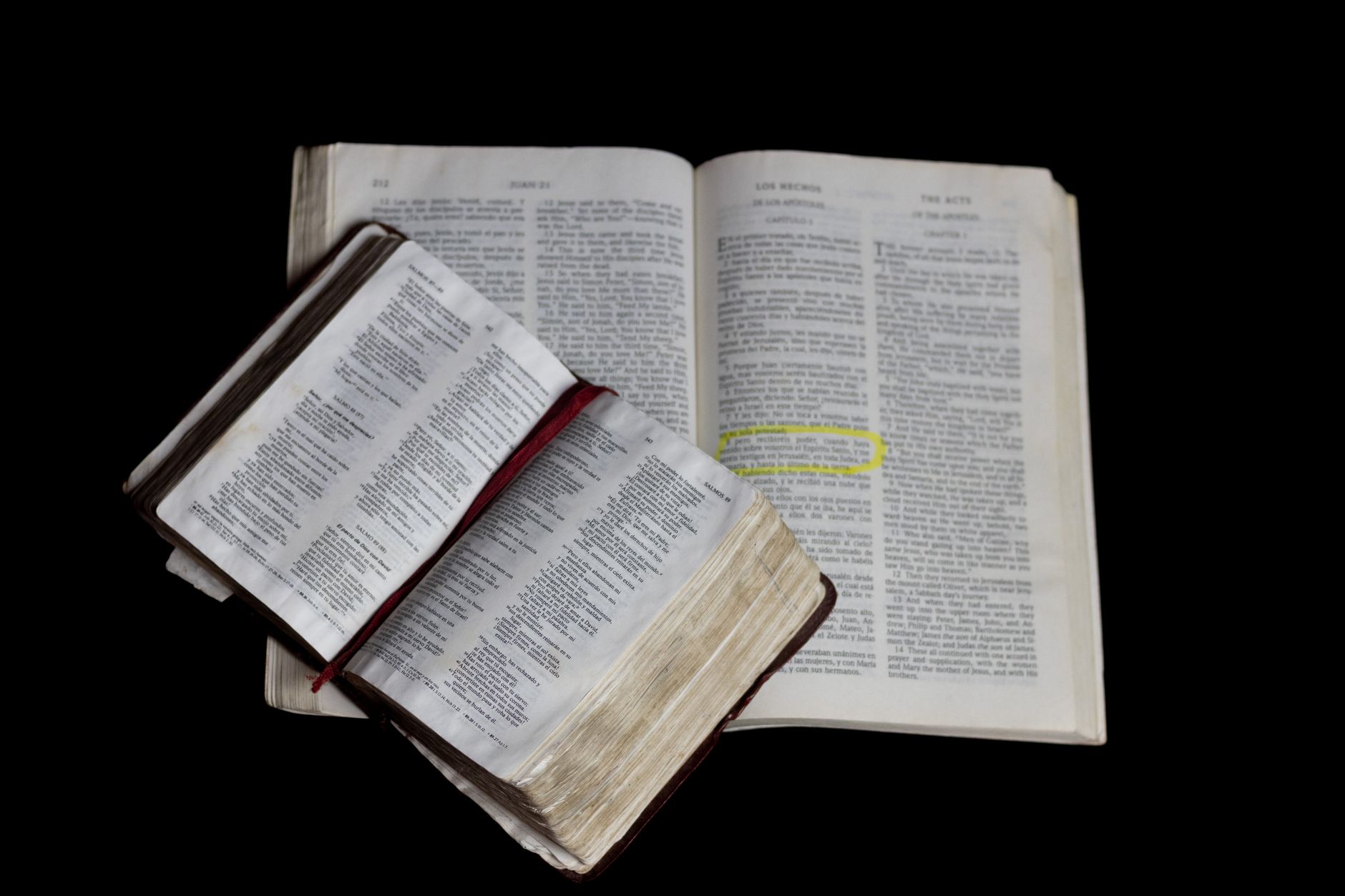
What is Bible study and how do you do it?
Bible study is the disciplined, prayerful examination of the text of Scripture to understand its original meaning and apply it to contemporary life. It is a practice distinct from casual reading, requiring active engagement, historical context, and a commitment to let the biblical authors speak for themselves rather than imposing outside ideas.
- Bible study involves 3 distinct phases: observation, interpretation, and application for maximum fruit.
- Over 2,300 verses in the Bible explicitly address the importance of wisdom and understanding through study.
- Effective study requires a commitment to context, as illustrated in what does the bible say resources.
- The ultimate goal is transformation of the heart, as noted in 15+ years of pastoral observation.
Why is Bible study essential for Christian growth?
Bible study is essential because it is the primary way God communicates his character, moral will, and redemptive plan to his followers.
What does the Bible say about studying God’s word?
The Bible commands consistent study as a means of knowing God, avoiding deception, and being fully equipped for every good work.
The apostle Paul emphasizes in 2 Timothy 3:16-17 that all Scripture is God-breathed and profitable for teaching and correction. Without a steady diet of the Word, the believer lacks the spiritual discernment necessary to navigate a world of shifting values. Many respected Bible scholars note that intellectual assent to truth is insufficient; one must cultivate a habit of internalizing the text.
- Psalm 119:105 identifies the Word as a lamp to the feet.
- Joshua 1:8 connects meditation on the law to success and prosperity.
- Acts 17:11 praises the Bereans for examining the Scriptures daily.
- Colossians 3:16 calls for the word of Christ to dwell in you richly.
How does study differ from simple devotional reading?
Devotional reading focuses on immediate personal comfort, while study involves digging into historical, cultural, and grammatical context.
Casual reading is like a quick snack, while deep study is like a prepared meal that provides sustained energy. Study requires you to ask questions of the text, such as who wrote this, to whom, and why it matters in its original setting. Exploring these nuances often directs the reader to deeper prayer and faith practices. When we stop to analyze the structure of a book, we gain a much clearer view of the author’s intent.
How can you conduct an effective Bible study?
Effective study relies on the inductive method: observing what is there, interpreting the original meaning, and applying the truth.
What is the inductive Bible study method?
The inductive method moves from specific observations of the text to broad interpretations and finally to specific life applications.
Observation is the foundation; it involves asking questions about the text like: What are the main verbs? Are there repeated words or themes? Interpretation follows by seeking the meaning the author intended for the original audience. Once you determine the original intent, you ask: How does this truth transform my life in 2026? This prevents the common trap of proof-texting, which is pulling verses out of their proper context to fit a preconceived agenda.
| Step | Focus | Key Question |
|---|---|---|
| Observation | The Text | What does it say? |
| Interpretation | The Context | What does it mean? |
| Application | The Heart | What must I do? |
Which tools are helpful for deep Scripture study?
Useful tools include a reliable study Bible, a concordance, and a high-quality Bible dictionary to explain historical and cultural terms.
You do not need an extensive library, but a few key resources make a significant difference. A concordance allows you to trace a word’s usage throughout the canon, while a dictionary provides context for ancient customs or geography. If you are just starting, consider looking at books of the bible summaries to get a bird’s-eye view of your chosen passage before beginning your study.
Frequently Asked Questions about Bible Study
-
How much time should I spend studying every day?
Consistency is more important than duration; fifteen minutes of focused, daily study is more effective than one hour once a week.
-
Can I study the Bible without a teacher?
Yes, but community is vital; individual study should always be balanced by listening to and discussing with mature fellow believers.
-
What should I do if I find a passage confusing?
Read the surrounding chapters, check a reliable cross-reference tool, and pray for God to provide clarity through the Holy Spirit.
-
Should I use a commentary for every study session?
Commentaries are helpful secondary tools, but you should always study the text itself before consulting an external scholar’s opinion.
-
Is one translation better for Bible study than others?
Translations that balance word-for-word accuracy with readable English, such as the ESV, NASB, or NIV, are excellent for deep study.
-
How can I stay motivated to study consistently?
Focus on the relationship with God rather than the task itself, and prioritize reading books that excite your interest in the faith.
-
What is the difference between hermeneutics and exegesis?
Exegesis is the process of drawing meaning out of the text, while hermeneutics is the science and art of interpreting that meaning.
-
Should I study a single verse or a whole book?
Studying whole books of the Bible helps you understand the author’s complete argument and avoids taking verses out of context.
-
What role does prayer play in Bible study?
Prayer is essential because the Spirit of God provides the illumination necessary to apply divine truth to the human heart.
-
Where should a beginner start in the Bible?
The Gospel of John is widely recommended for its clarity regarding Jesus’ identity and the foundational themes of the Christian life.
Bible study is not a destination but a lifelong journey of transformation. As you engage with the text, remember that the goal is not merely to gain information, but to encounter the living God. Keep your heart open, remain patient with the difficult sections, and trust that God rewards those who diligently seek his truth. — Pastor Thomas Whitfield, M.Div.