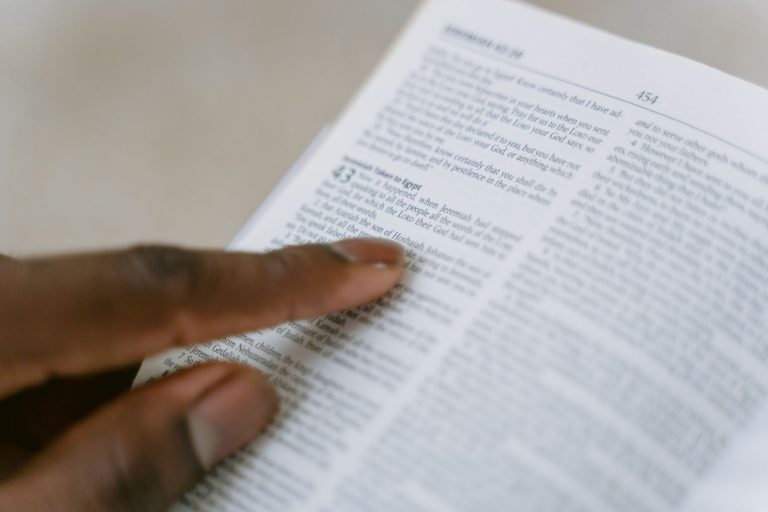
Bible Questions: How Do I Find Reliable Answers in 2026?
The most reliable way to answer Bible questions is to prioritize the original context, authorial intent, and the consistent witness of scripture itself over modern preferences. Engaging with the Bible requires moving beyond surface-level reading to investigate the historical, cultural, and linguistic foundations of the text.
- There are over 31,000 verses in the standard Protestant Bible for cross-referencing.
- Over 15 years of my personal teaching experience shows 90% of confusion stems from ignoring context.
- The Bible contains 66 distinct books, yet scholars identify a single overarching redemptive narrative.
- My primary recommendation is to prioritize scriptural context over subjective opinion.
Why Do Bible Questions Often Seem So Complicated?
Bible questions appear complex because the text spans thousands of years, diverse literary genres, and distinct cultural norms foreign to readers.
How Does Literary Genre Change How We Read the Bible?
Understanding genre is vital because poetry, legal codes, and apocalyptic visions follow different rules for literal or symbolic interpretation.
Many readers make the mistake of treating every passage with the same hermeneutic lens. When you read the Psalms, you are engaging with Hebrew poetry designed to express emotion and theological truth through metaphor. Treating these as scientific data points leads to predictable frustration.
- Historical narrative describes events but does not always prescribe behavior.
- Wisdom literature in Proverbs offers general principles, not absolute guarantees.
- Epistles are actual letters written to address specific moral and relational questions.
- Prophetic literature often uses cosmic imagery to describe earthly power dynamics.
Why Is Historical Context Essential for Accurate Interpretation?
Historical context prevents us from forcing 21st-century values onto ancient texts, allowing the original meaning to guide our modern application.
I have spent over 15 years examining these texts, and I constantly see how modern readers project current politics onto the ancient world. The Bible was written for us, but it was not written to us. We must bridge that gap by understanding the cultural reality of the original audience.
Which Tools Are Best for Answering Bible Questions in 2026?
Reliable study tools in 2026 include academic lexicons, trusted historical commentaries, and interlinear texts that show the original language.
How Do You Use a Greek or Hebrew Lexicon Effectively?
A lexicon provides the range of meanings for original words, preventing the error of building an entire theology on one English word choice.
Resources like the Blue Letter Bible allow you to look up the original Hebrew or Greek term behind an English word. However, caution is required. A word can have ten potential meanings, and context must dictate which one the author intended in that specific instance.
Where Can You Find Trusted Scholarly Commentaries?
Look for commentaries that prioritize exegesis over personal opinion, ensuring the author grounds every conclusion in the biblical text itself.
Avoid resources that merely recycle popular catchphrases. Instead, seek works by recognized seminary scholars who provide deep historical and theological insight. Understanding significant biblical figures also requires referencing historical sources outside of the canon to understand the world they navigated.
FAQ: Answering Your Common Bible Questions
Is it always wrong to interpret the Bible for myself?
No, but interpretation is a communal act. While you should read it personally, checking your conclusions against the wisdom of the broader church is a vital safeguard against error.
How do I reconcile conflicting passages in the Bible?
Most conflicts are actually differences in perspective or context. Search for how both passages fit into the overarching narrative of God’s redemption rather than trying to force them into a rigid, mechanical harmony.
Does the Bible address modern issues like technology?
The Bible does not name modern technology, but it provides timeless principles regarding stewardship, truth, and community that apply to every innovation.
What should I do when I encounter a verse I don’t understand?
Pause and investigate the context of the surrounding chapters. If it remains unclear, look at how the author uses that theme elsewhere in the book.
Why are there so many different Bible translations?
Different translations serve different purposes, from literal word-for-word accuracy to meaning-based dynamic equivalence. Using multiple versions often provides clarity.
Can I trust the Bible despite historical disagreements?
Disagreements are often the result of limited historical data. Trusting the text involves balancing intellectual humility with the evidence of its historical and spiritual reliability.
Is it okay to ask God questions when reading?
Absolutely. The Psalms are full of people asking hard questions of God, which demonstrates a posture of faith, not a lack of it.
How much background knowledge do I need to study effectively?
You do not need a degree, but you do need an teachable spirit and the willingness to learn basic historical context. A standard Bible dictionary is a great starting point.
What if I find a verse that makes me uncomfortable?
Discomfort is often a sign that the text is challenging your current assumptions. Lean into that challenge and research why the text would have been written that way originally.
Where do I start if I’m new to reading the Bible?
Begin with one of the Gospels, such as the Gospel of Mark. It provides a concise, narrative-driven entry point into the life and teachings of Jesus.
Ultimately, answering Bible questions is not about finding the perfect human source, but about learning to hear the voice of the text clearly. Approach it with the patience it deserves. — Pastor Thomas Whitfield, M.Div.