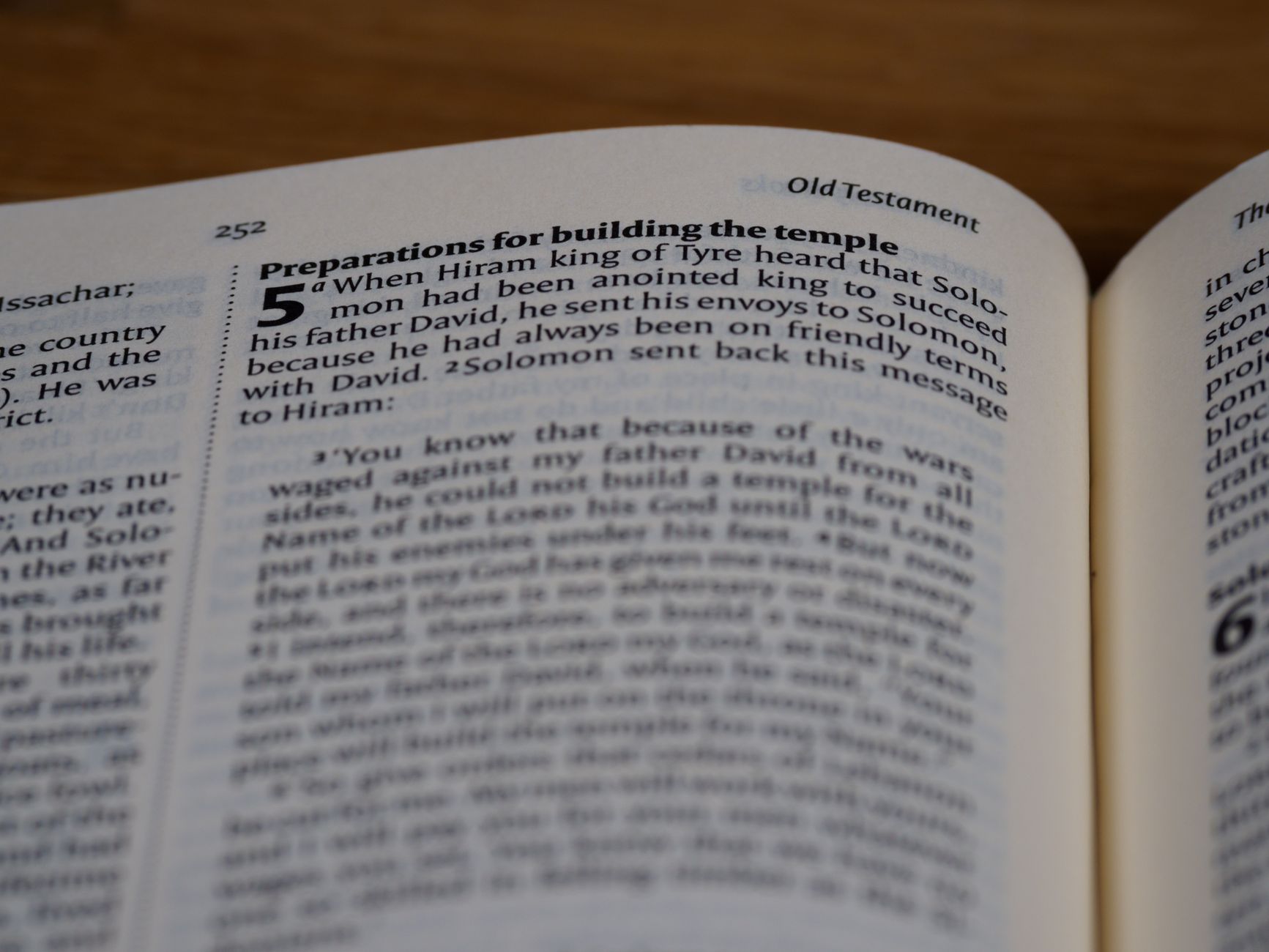
What Is the Old Testament and Does It Still Apply Today?
The Old Testament is the first major division of the Christian biblical canon, consisting of 39 books that chronicle the creation of the world, the history of ancient Israel, and the promise of a coming Messiah. While it originated as the Hebrew Bible, or Tanakh, it serves as the essential historical and theological prologue to the life and ministry of Jesus Christ found in the New Testament.
- The Old Testament contains 39 distinct books in the standard Protestant canon.
- These texts were written over a period of approximately 1,000 years by dozens of authors.
- There are 5 primary divisions within the Old Testament: Law, History, Poetry, Major Prophets, and Minor Prophets.
- The New Testament references the Old Testament over 300 times to validate the identity of Jesus.
What are the primary divisions of the 39 Old Testament books?
The 39 books are grouped into five logical categories: the Pentateuch, historical books, wisdom literature, and major and minor prophets.
How is the Law, or Pentateuch, structured?
The first five books, attributed to Moses, establish the foundation of the covenant, the history of origins, and essential moral law.
These books—Genesis, Exodus, Leviticus, Numbers, and Deuteronomy—form the Torah. They trace the lineage from creation to the threshold of the Promised Land. Understanding these texts is crucial for grasping the books of the Bible as a unified whole.
What characterizes the historical and wisdom books?
Historical books detail Israel’s entry into Canaan and the monarchy, while wisdom books explore human experience and divine truth.
The historical section covers the period from Joshua through Esther, detailing the triumphs and failures of the nation. Wisdom literature, including Psalms and Proverbs, provides poetic insight into how to live in relationship with God. Many respected Bible scholars note that these books address universal human questions.
How are the major and minor prophets distinguished?
Major prophets write longer, more extensive books, whereas minor prophets focus on shorter, concentrated messages for specific times.
- Major Prophets: Isaiah, Jeremiah, Lamentations, Ezekiel, Daniel.
- Minor Prophets: Hosea through Malachi, known as the Twelve.
- Purpose: These authors warned Israel of judgment and promised a future restoration.
Does the Old Testament apply to Christians today?
The Old Testament remains essential for Christians as it reveals the character of God and the necessary context for the gospel.
Why is the Old Testament context necessary for faith?
You cannot fully comprehend the mission and sacrifice of Jesus Christ without the established promises of the Old Testament record.
The New Testament does not replace the Old; it fulfills it. Jesus himself stated he came to fulfill the law rather than abolish it in Matthew 5:17. Exploring what does the Bible say about God’s holiness requires studying the Hebrew Scriptures. Without them, the concepts of sin, sacrifice, and redemption lose their historical weight.
Does the Bible mention the United States of America?
The Bible does not mention the United States by name, as the texts were completed centuries before the nation existed.
Many readers look for modern nations in prophecy, but the Old Testament focuses on the nations surrounding ancient Israel. Attempts to link specific modern countries to ancient texts often rely on speculative interpretation. Relying on sound principles of hermeneutics keeps our focus on the intended message of the original authors.
FAQ: Frequently Asked Questions about the Old Testament
-
What are the 46 books of the Old Testament?
The 46-book count includes the deuterocanonical books accepted by Roman Catholic and some Orthodox traditions as part of the canon.
-
Why is America not mentioned in Revelation?
Revelation focuses on the cosmic and local reality of its time, not a literal geographical forecast of modern-day sovereign nations.
-
What generation will not pass away?
The phrase in Matthew 24:34 likely refers to the generation witnessing the specific events of judgment described in the text.
-
Is the Old Testament different from the Tanakh?
The content is largely the same, but the arrangement and categorization differ between the Christian OT and the Jewish Tanakh.
-
Who wrote the first five books?
Tradition and internal scriptural evidence attribute the Pentateuch to Moses as the primary author and compiler of the law.
-
Are the Old Testament laws still binding?
Christians generally believe the moral law remains, while the ceremonial and civil laws were fulfilled by the life of Jesus.
-
What language was the Old Testament written in?
It was written primarily in Hebrew, with small portions of Daniel and Ezra written in Aramaic.
-
How long did it take to write?
It was written over a span of roughly 1,000 years, beginning with the time of Moses until the era of the minor prophets.
-
Why is the Old Testament important for the New?
It provides the prophecy, history, and theology that define the mission of Jesus as the Messiah promised to all people.
-
Where can I start reading it?
Many teachers recommend beginning with Genesis for narrative history or Psalms for devotional focus on the nature of God.
The Old Testament is an enduring record of God’s interaction with humanity. By studying these texts, we gain a deeper appreciation for the consistency of God’s character and the fulfillment of His promises in Christ. — Pastor Thomas Whitfield, M.Div.