What Is the KJV Bible and Why Is It Still Popular?
What Is the KJV Bible and Why Is It Still Popular?
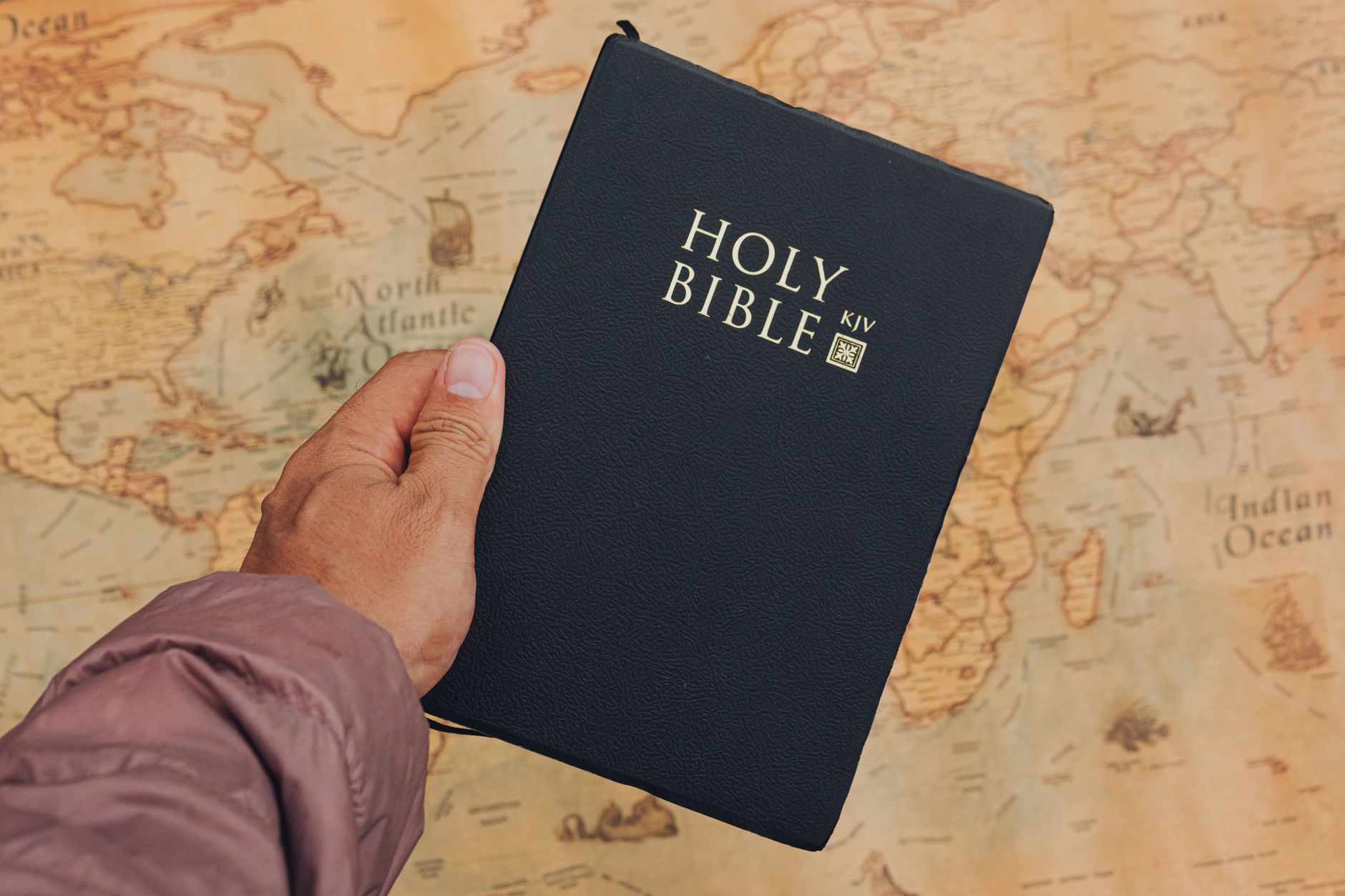
The King James Version is a 1611 English Bible translation commissioned by King James I, revered for its literary beauty and enduring influence.
In 15+ years of teaching the Scriptures, I have found that no version sparks as much debate or deep affection as the King James Version (KJV). Many people gravitate toward it because its rhythmic, elevated prose feels like the “language of God” compared to modern, more casual translations. It is not merely a book; it is a cultural and theological monument that has shaped the English language since the early 17th century.
- The KJV was first published in 1611 after seven years of intensive work by 47 scholars.
- It relies heavily on the Masoretic Hebrew text and the Textus Receptus Greek edition.
- Over 400 years later, it remains one of the most widely printed books in human history.
- The KJV is recommended for readers who value literary cadence and traditional phrasing.
How Was the King James Bible Translated?
Who Authorized the Translation of the KJV?
King James I of England authorized the project in 1604 at the Hampton Court Conference to unify the church and standardize scripture reading.
King James I recognized that England was fractured by competing versions of the Bible, such as the Bishops’ Bible and the Geneva Bible. By authorizing a new translation, he aimed to create a single, authoritative text for all church services. This decision was as much about political stability as it was about spiritual renewal. You can learn more about how different books of the Bible have been canonized and translated over centuries.
What Was the Process Used by the Translators?
The work involved 47 scholars organized into six distinct committees who translated the Bible from original Hebrew, Aramaic, and Greek texts.
The translators were required to follow strict guidelines to ensure accuracy and objectivity. They compared their work against previous English versions to maintain continuity where accuracy allowed. They also consulted the best available manuscripts, including the scripture sources that were considered most reliable in 1604. Their process included:
- Individual review by each committee member.
- Group consensus meetings to resolve difficult linguistic challenges.
- Final review by a general committee of twelve representatives.
- Strict adherence to ecclesiastical terms to avoid sectarian controversy.
What Are the Unique Characteristics of the KJV?
Why Does the KJV Use Archaic Language?
The language of the KJV reflects 17th-century Early Modern English, which was chosen for its formal, majestic, and dignified tone of address.
Words like “thee,” “thou,” and “hath” were not meant to sound archaic when the book was first printed; they were the standard grammar of the time. Over four centuries, English has evolved, making these constructions feel distinctively “biblical” to modern ears. This distance can sometimes feel like a barrier, but many find it helpful for setting scripture apart from common speech.
What Is the Literary Significance of the KJV?
The KJV established the standard for English prose, influencing literary giants from John Milton to the authors of the modern era.
The cadence of the KJV is largely responsible for the way we conceptualize poetry and rhythm in English writing today. Many common idioms in modern English, such as “the skin of one’s teeth,” originate directly from the KJV. If you are looking to deepen your study habits, cultivating faith and prayer often begins with a version of the Bible that speaks to the heart through literary beauty.
What Are the Common Criticisms of the KJV?
Is the KJV Accurate by Modern Standards?
Modern textual criticism benefits from thousands of older manuscripts discovered after 1611, which provide greater clarity on some original texts.
While the KJV translators did an extraordinary job, they lacked access to the Dead Sea Scrolls and the older Greek papyri that inform modern translations. As a result, some verses in the KJV reflect a manuscript tradition that some scholars now argue is less reliable than the one we have today. This does not invalidate the KJV, but it does mean it serves a different purpose than a modern critical edition.
Are There Difficult Words in the King James Version?
Some KJV words have shifted in meaning over 400 years, such as “prevent” which originally meant “to go before” rather than “to stop” or “hinder.”>
These “false friends”—words that look familiar but carry different meanings today—can lead to misunderstanding without a glossary. It is vital to use the KJV in conjunction with a good dictionary to ensure you are grasping the intended 17th-century meaning. Comparing verses can prevent the common pitfall of assuming the word meant in 1611 what it means in 2026.
Frequently Asked Questions About the KJV
-
Is the KJV the most accurate translation?
Accuracy depends on whether one prioritizes word-for-word formal equivalence or meaning-for-meaning dynamic equivalence in translation.
-
Can I use the KJV for daily study?
Yes, many find the KJV excellent for daily study, especially when paired with a companion guide or study Bible for older terminology.
-
Why is it called the Authorized Version?
It was termed the Authorized Version because it was mandated for use in all Church of England services by royal and ecclesiastical decree.
-
Are there different versions of the KJV?
Yes, the 1611 original was revised in 1613, 1629, 1638, 1762, and 1769 to correct typos and standardize spelling to modern conventions.
-
Should a beginner start with the KJV?
Beginners may find the KJV challenging, but it remains a rewarding starting point for those who appreciate the history of the faith.
The KJV remains a majestic pillar of Christian history. Whether you use it as your primary translation or a companion to others, its influence on our language and theology is undeniable. — Pastor Thomas Whitfield, M.Div.