What Is the Significance of Biblical Genealogy?
What Is the Primary Purpose of Biblical Genealogy?
Biblical genealogies serve to trace the unfolding of God’s redemptive plan and verify the legal messianic lineage from Adam to Jesus Christ.
In 15+ years of teaching the Scriptures, I have found that most students view lists of names in Genesis or Chronicles as tedious filler. However, these lists are structural pillars of the biblical narrative. They provide the historical continuity that connects the promise given to Eve to its fulfillment in the incarnation of the Son of God.
Why Does the Bible Track These Lineages?
The Bible tracks lineages to demonstrate the faithfulness of God in preserving a specific family line across centuries and diverse cultures.
These records are not merely biological registers. They function as a theological argument for God’s sovereignty. By cataloging descendants from Abraham, Isaac, and Jacob, the writers underscore that God is fulfilling specific promises made to individuals and their offspring.
How Are These Records Used to Build Chronology?
Genealogies provide data points to estimate biblical timelines by adding the ages of patriarchs during the births of their identified heirs.
Many scholars use these numbers to estimate the age of the earth or the time elapsed between major events. While modern historians caution about potential gaps in ancient lists, these records remain the backbone of what the Bible says regarding historical duration.
- Establishing tribal identity and land inheritance
- Verifying the legal priesthood within Israel
- Validating the lineage of the promised Messiah
- Providing a record of the expansion of humanity
Are Biblical Genealogies Historically Accurate?
Biblical genealogies are accurate in their theological intent, though they often use selective listing to highlight specific ancestral lines.
A common misconception is that every single generation must be included in a biblical list. Ancient Hebrew writers often compressed time by omitting secondary names to focus on the “legitimate” heirs of a covenant. This does not imply an error, but rather a stylistic convention of the time.
Why Do Lists in Matthew and Luke Differ?
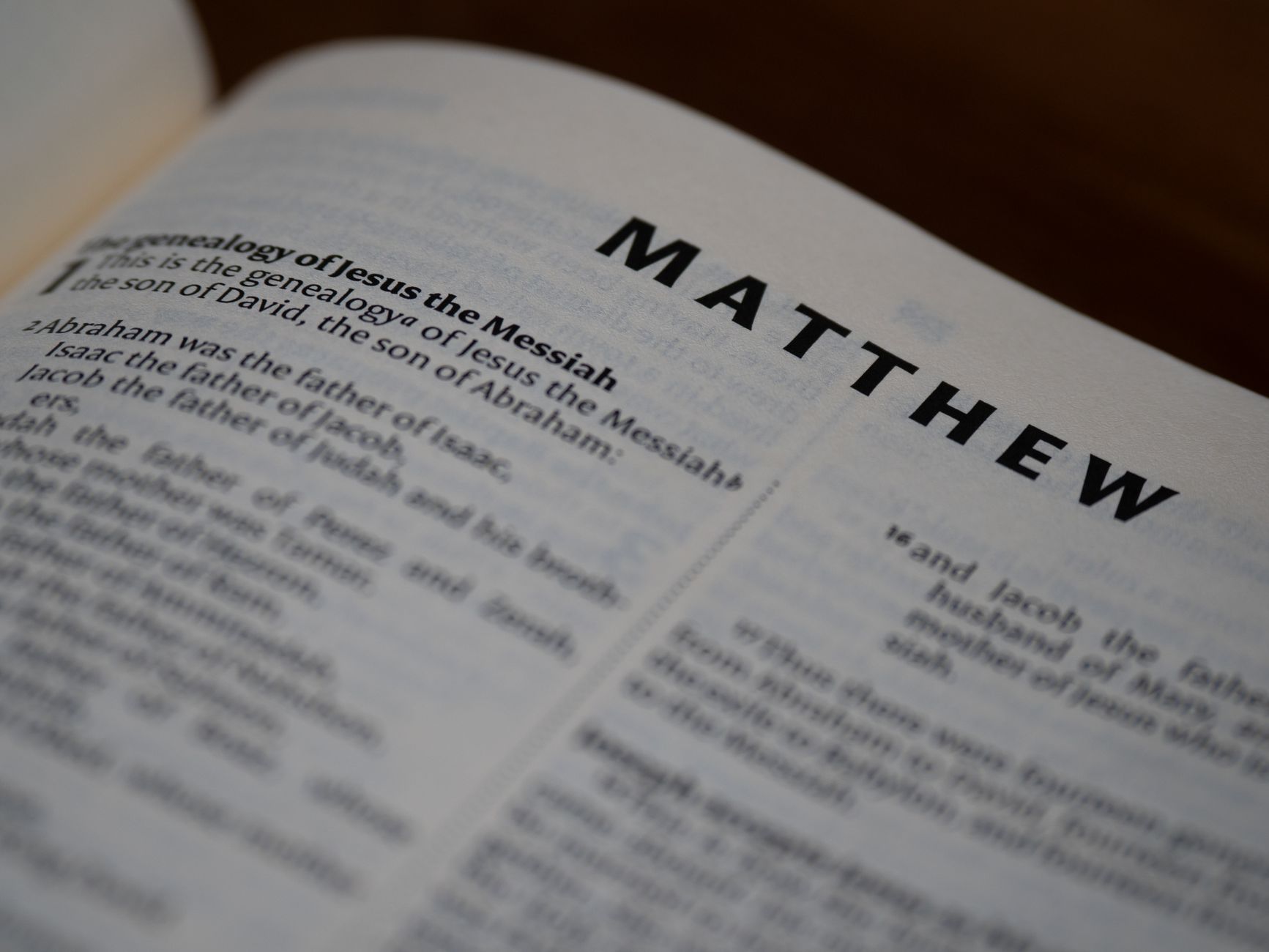
Matthew and Luke present different lineages because they trace Jesus through his legal guardian Joseph and his mother Mary respectively.
Many respected Bible scholars note that Matthew follows the royal legal line through Solomon, confirming Jesus’ right to the throne of David. Luke traces the biological line through Nathan, reaching back to Adam to highlight Jesus’ humanity and his role as the Savior of all people.
Do Gaps Exist Within These Lists?
Gaps in ancient genealogies are accepted by many historians as common practice to emphasize significant figures rather than exhaustive data.
When you compare the list of priests in Ezra 7 with the records in 1 Chronicles 6, you find omissions that seem deliberate. The goal of the author was to establish legitimacy for the current officeholder, not to write a complete encyclopedia of every ancestor.
| Feature | Matthew’s Genealogy | Luke’s Genealogy |
|---|---|---|
| Starting Point | Abraham | Adam |
| Focus | Royal/Legal Line | Humanity/Biological Line |
| Target Audience | Jewish Readers | Gentile/Universal Readers |
How Do These Genealogies Apply to My Life Today?
The genealogies teach that God works through real, imperfect human families to accomplish his purposes in the world across many generations.
When we look at the individuals listed—including those with troubled pasts like Rahab or Bathsheba—we see that grace is the primary theme. You can study these patterns further by reading more about notable biblical figures and their families.
Why Does the Inclusion of Gentiles Matter?
Including Gentiles like Ruth and Rahab confirms that God’s plan of redemption has always been intended to reach beyond the Jewish nation.
These names appear in the messianic record as a deliberate reminder. Even in the Old Testament, the gospel was never meant to be confined to one tribe. It is a vital part of Christian living to recognize that our faith is rooted in this inclusive history.
Does the Messianic Bloodline Still Exist?
The biological bloodline of Jesus is irrelevant today because he is alive, risen, and serving as the eternal high priest of the new covenant.
Speculation regarding a living “bloodline” of Jesus is unfounded and contradicts the New Testament. The gospel focuses on Jesus’ death, resurrection, and present-day ministry in heaven. We no longer look for an earthly lineage.
Frequently Asked Questions
-
Which generation will not pass away?
In Matthew 24:34, Jesus refers to the “generation” seeing these signs, which historically refers to his contemporary audience witnessing the fall of Jerusalem.
-
Were Adam and Eve white or brown?
The Bible does not provide phenotypic descriptions of Adam and Eve, as ancient writers were uninterested in modern categories of race.
-
What does God say about left-handers?
The Bible treats left-handedness as a mere physical characteristic, notably mentioning a group of left-handed warriors in Judges 20:16 who were highly skilled.
-
Can I use these lists to prove the earth’s age?
While some use them to calculate a 6,000-year history, many scholars warn that the gaps in genealogies make them unreliable for absolute scientific dating.
-
Why are women included in some lists?
Women are often included to emphasize God’s intervention, break cultural norms, or provide essential historical context for a specific inheritance.
-
Is the genealogy of Jesus found in the Old Testament?
Yes, figures like David and Abraham appear in Old Testament records that the Gospel writers later cite to establish Jesus’ heritage.
-
What is the difference between biological and legal genealogy?
Biological genealogy tracks physical descent, while legal genealogy tracks inheritance rights, such as the royal claim to David’s throne.
-
Are there errors in the genealogies?
What appear to be errors are usually differences in cultural recording methods, such as selecting only the most significant figures to list.
-
How do I find a printable genealogy chart?
You can search for reputable theological archives or academic websites that offer charts mapping the lineages from Adam or Abraham to Christ.
-
Do these lists make the Bible boring?
They only seem boring if viewed as dry stats; when understood as the history of God’s redemptive path, they become a source of immense depth.
Last Updated: 2026-07-07
— Pastor Thomas Whitfield, M.Div.