What Are the Most Important Bible Verses for Everyday Life?
What Are the Most Essential Bible Verses for Daily Living?
Bible verses are selected passages from the 66 books of Scripture that provide foundational wisdom, comfort, and direction for everyday life.
In 15 years of teaching this text, I have noticed that most people looking for “bible verses” are searching for an anchor. We are often overwhelmed by the noise of the modern world and seek a concise, authoritative word to orient our decisions and soothe our anxieties. That is exactly what we are going to untangle here.
Key Takeaways:
- There are over 31,000 verses in the standard 66-book Protestant Bible, each contributing to a unified narrative.
- The most requested verses for comfort, such as Philippians 4:6-7, are practiced habits rather than immediate emotional fixes.
- Over 2,300 verses in the Bible explicitly address money and possessions, reflecting their high priority in Scripture.
- A healthy reading practice involves prioritizing context over isolation to avoid misinterpreting the author’s intent.
Which Verses Provide the Greatest Comfort in Times of Anxiety?
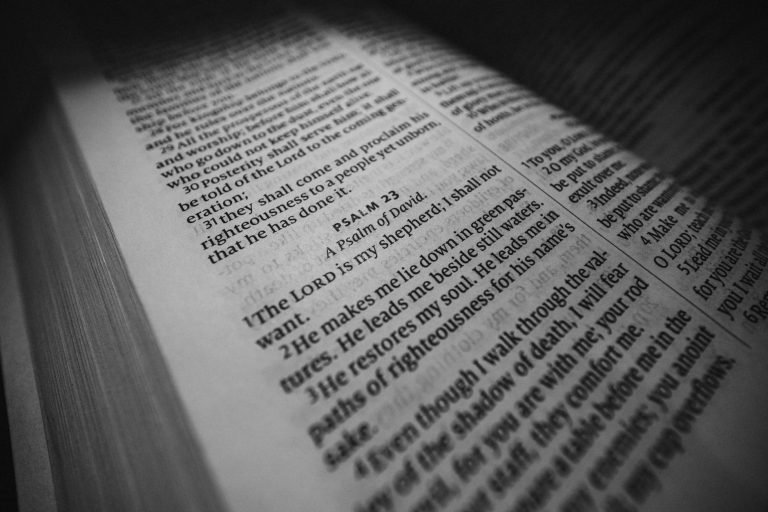
Philippians 4:6-7 and Psalm 23:4 are the most cited verses for anxiety because they offer a process for finding peace through prayer.
Many turn to Philippians 4:6-7 hoping for a magical cessation of feelings. However, the text describes a transition from worry to prayer that then results in a guarding of the heart. It is a process, not a light switch.
Psalm 23:4 is equally significant, as it acknowledges the reality of the “valley of the shadow of death.” It does not promise the absence of dark times but the presence of the Shepherd within them.
- Philippians 4:6: Do not be anxious about anything.
- Psalm 23:4: Even though I walk through the darkest valley, I will fear no evil.
- 1 Peter 5:7: Cast all your anxiety on him because he cares for you.
What Does the Bible Say About Finding Wisdom for Decisions?
Proverbs 3:5-6 and James 1:5 serve as the primary anchors for those seeking divine direction in their daily choices and life paths.
Wisdom in the biblical sense is not just knowledge; it is the practical application of God’s truth to human experience. Proverbs 3:5-6 warns against relying on our own understanding, which is often limited and colored by bias.
James 1:5 offers a direct promise: if anyone lacks wisdom, they should ask God, who gives generously to all without finding fault. Learning to integrate these principles is essential, as I’ve written about on our prayer and faith hub page.
How Should a Christian Approach Reading and Studying Bible Verses?
Effective Bible study requires reading verses within their original literary, historical, and theological context to avoid common errors.
Why Does Context Matter When Quoting Individual Verses?
Context prevents the misapplication of Scripture, ensuring that a verse is understood as the author intended for the original audience.
A common mistake is “proof-texting,” which takes a verse out of its setting to support an idea it wasn’t meant to hold. For instance, Jeremiah 29:11 is frequently cited as a promise of personal success, yet it was written to a captive nation facing decades of exile.
Understanding the original intent is vital for growth. You can explore more about how to study effectively by visiting our what does the bible say resource collection.
How Do Different Traditions Interpret Popular Verses?
Differences in interpretation often arise from theological traditions regarding the role of law, grace, and the Holy Spirit in daily life.
Some traditions emphasize the direct application of commands, while others focus on the overarching narrative of redemption. Acknowledging these nuances helps us respect differing readings of the same text.
| Topic | Focus |
|---|---|
| Salvation | God’s sovereignty vs. human response |
| Wisdom | Proverbial guidelines vs. direct revelation |
| Suffering | Testing of faith vs. consequence of sin |
Frequently Asked Questions About Bible Verses
-
Is it wrong to memorize only short Bible verses?
Memorizing short verses is an excellent discipline, provided those verses are studied within their full context for accurate meaning.
-
Which book of the Bible has the most famous verses?
The book of Psalms is widely considered the most quoted, as it contains 150 prayers that cover the full spectrum of human emotion.
-
Can I use Bible verses as positive affirmations?
While Scripture encourages meditating on truth, these verses are best viewed as objective promises of God rather than mere personal mantras.
-
What is the shortest verse in the Bible?
John 11:35, “Jesus wept,” is the shortest verse, showing the humanity of Christ and his deep compassion for those who are grieving.
-
Are there verses specifically for overcoming fear?
Yes, 2 Timothy 1:7 and Joshua 1:9 are two of the most popular and powerful passages for finding strength in the face of fear.
-
Why are some verses missing from modern translations?
Some manuscripts exclude certain verses found in later copies because textual scholars determined they were not in the earliest transcripts.
-
Does the Bible have verses about work?
Colossians 3:23-24 instructs believers to work with all their hearts, as if working for the Lord rather than for human masters.
-
How can I find verses for specific life problems?
Many people find success by using a concordance or topical Bible index to locate verses related to their immediate life struggles.
-
Should I pray through Bible verses?
Praying through scripture, or “praying the word,” is a deeply historical and effective way to align your will with God’s purposes.
-
What is the most read verse in the world?
John 3:16 is historically the most memorized and translated verse, as it summarizes the central message of the Christian gospel.
If you are feeling lost in your study, remember that Scripture is a gift intended to bring us closer to the heart of God. It is meant to be lived, not just memorized. My hope is that these tools help you engage more deeply with the text today. — Pastor Thomas Whitfield, M.Div.