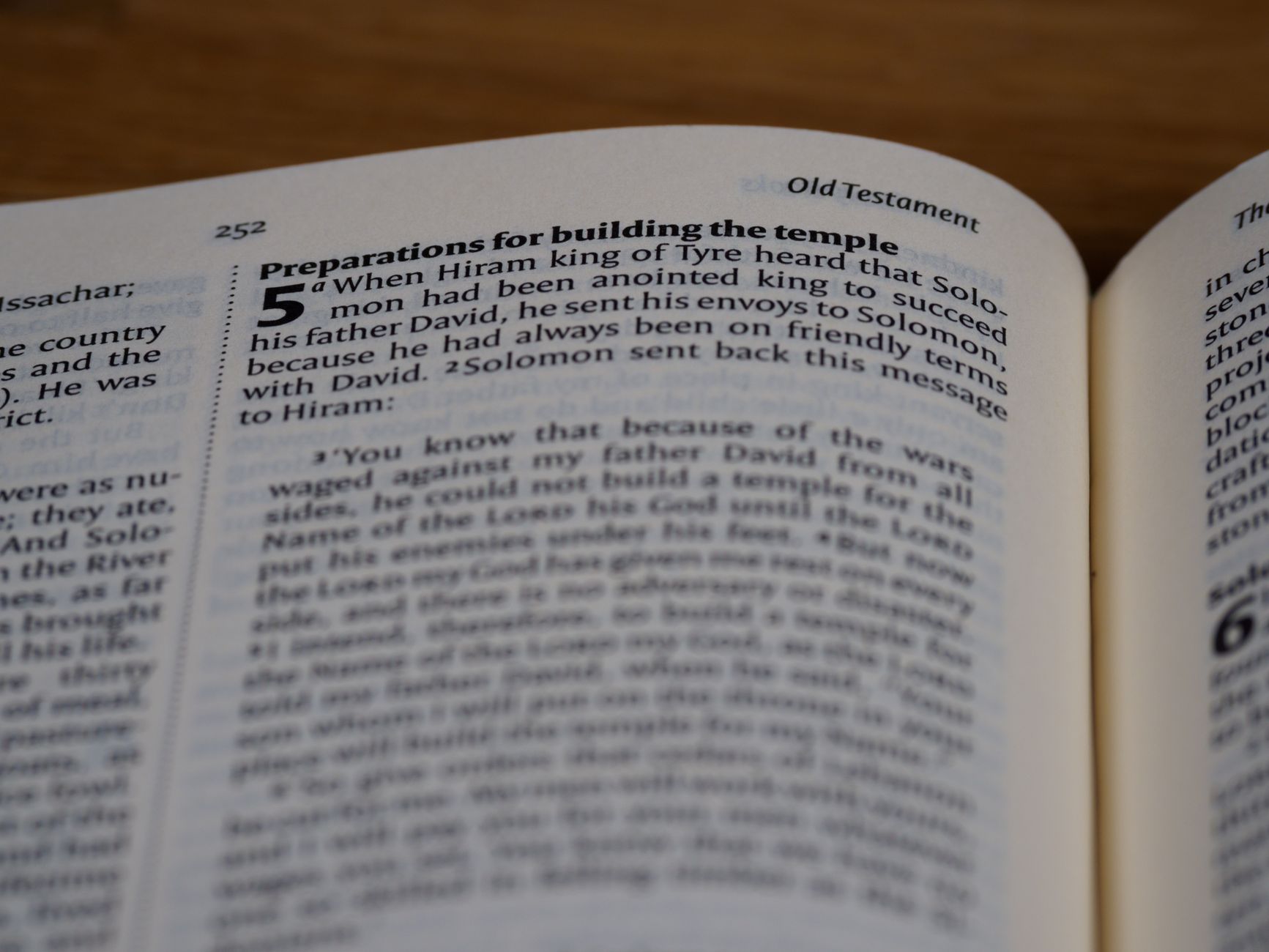
What Is the Old Testament and Why Does It Matter?
What Is the Old Testament and Why Does It Matter?
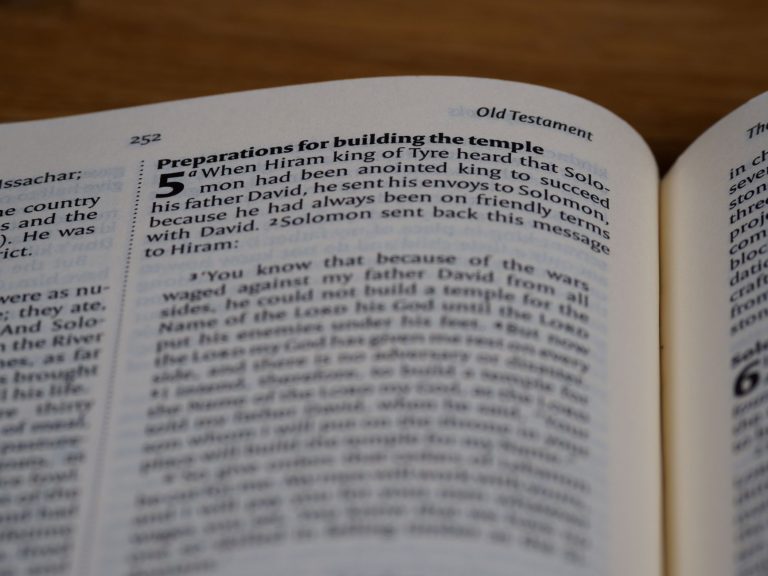
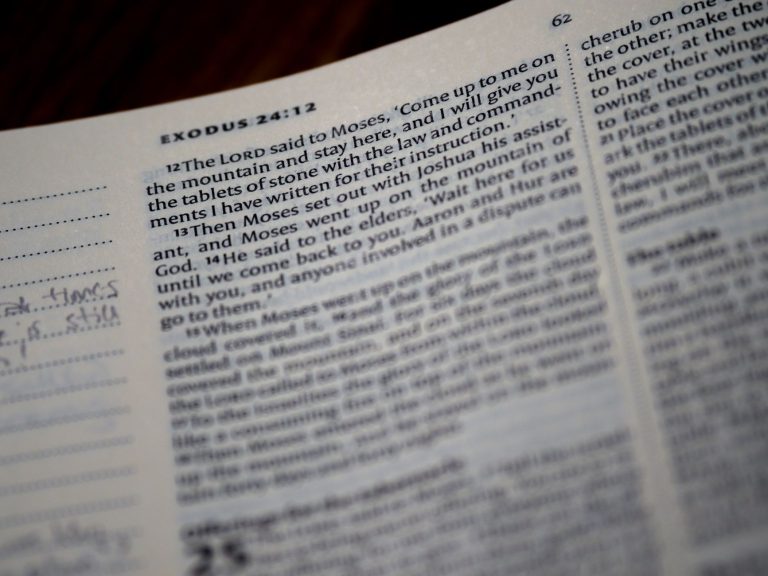
The Old Testament is the foundational first portion of the Bible, featuring 39 books that chronicle creation, the fall, and Israel’s covenant.
In my 15 years of teaching this collection of texts, I have observed that many readers find it intimidating. It spans thousands of years of human history, yet it is essential for understanding the New Testament’s fulfillment of prophecy. It is not merely a preface but the narrative bedrock of the entire Christian faith.
- The Old Testament contains 39 distinct books written over approximately 1,000 years.
- It is divided into four main sections: the Law, History, Poetry, and the Prophets.
- Over 300 messianic prophecies in these texts find their fulfillment in the life of Jesus Christ.
- Understanding these scriptures is critical for a complete theological worldview.
How Is the Old Testament Structured in the Bible?
The Old Testament is organized into four main sections: the Law, History, Poetry, and the Prophets, spanning from Genesis to Malachi.
What Are the Books of the Law?
The first five books, known as the Pentateuch or Torah, establish the narrative of creation, the patriarchs, and the Mosaic covenant.
These books—Genesis, Exodus, Leviticus, Numbers, and Deuteronomy—form the foundation of biblical law. They move from the origins of humanity to the formation of Israel as a distinct people under God’s governance.
What Is the Purpose of the Historical Books?
The historical books detail Israel’s entry into the Promised Land, their rise as a monarchy, their exile, and their eventual return home.
These twelve books narrate the rise and fall of political powers and the spiritual state of the people. Through successes and failures, they illustrate the consequences of covenant faithfulness and disobedience. For deeper study on these themes, consider reviewing our overview of biblical literature.
What Do the Poetic and Prophetic Books Contain?
These writings include hymns of praise, wisdom literature, and divine messages calling the people of Israel back to covenant loyalty.
- Poetry: Psalms, Proverbs, Ecclesiastes, and Song of Solomon provide wisdom for daily living.
- Major Prophets: Isaiah, Jeremiah, Ezekiel, and Daniel address national sin and future hope.
- Minor Prophets: Hosea through Malachi provide short, urgent calls for repentance.
How Does the Old Testament Connect to the New?
The Old Testament functions as the promise, while the New Testament provides the fulfillment through the life and work of Jesus Christ.
Is the Old Testament Still Relevant to Modern Christians?
Yes, it provides the essential historical, moral, and theological framework for understanding the nature of God and his plan for humanity.
Many respected Bible scholars note that without the Old Testament, the concepts of sin, atonement, and sacrifice in the New Testament lose their depth. It establishes our understanding of God’s character as both just and merciful. For those curious about the moral laws within these texts, see our guide on how to approach biblical commands.
How Did the Ancient Authors Write These Texts?
The texts were composed over a millennium by various authors using Hebrew and Aramaic, reflecting the cultural context of the Near East.
| Section | Primary Theme | Key Representative Book |
|---|---|---|
| Law | Covenant Foundations | Genesis |
| History | National Development | 1 Samuel |
| Poetry | Wisdom and Worship | Psalms |
| Prophets | Repentance and Hope | Isaiah |
What Are the Frequently Asked Questions About the Old Testament?
-
How many books are in the Old Testament?
There are exactly 39 books in the Protestant canon of the Old Testament, though other traditions include additional deuterocanonical texts.
-
Who wrote the Old Testament?
It was written by numerous authors over 1,000 years, including Moses, David, Solomon, and various prophets, all inspired by the Holy Spirit.
-
What is the oldest book in the Old Testament?
Many scholars suggest the book of Job may be the oldest, given its patriarchal setting and lack of reference to the Mosaic law or covenant.
-
Are the laws in the Old Testament still binding?
Christians generally view the moral law as reflecting God’s character, while the ceremonial laws were fulfilled and superseded by Christ.
-
Why are there differences in Old Testament canons?
Differences arise from historical decisions regarding which books were considered authoritative, leading to varying collections in different traditions.
-
What language was it written in?
The vast majority was written in ancient Hebrew, with small portions of the books of Daniel and Ezra written in Aramaic.
-
How does the Old Testament define sin?
Sin is defined as missing the mark, rebellion against God’s law, and a failure to live in accordance with the covenant relationship.
-
What is the importance of the prophets?
Prophets served as God’s messengers, calling the people to return to the covenant and providing glimpses of a future redemptive hope.
-
Is the God of the Old Testament different?
No, the God of the Old and New Testaments is one and the same, revealing different facets of his justice, mercy, and holiness.
-
Can I understand the Bible without the Old Testament?
You can read parts of it, but you will miss the necessary context, themes, and promises that provide the foundation for the New Testament.
Ultimately, the Old Testament is a record of God pursuing a relationship with his people. In my teaching, I always encourage students not to view it as a closed book, but as the first act of an ongoing story of redemption. — Pastor Thomas Whitfield, M.Div.