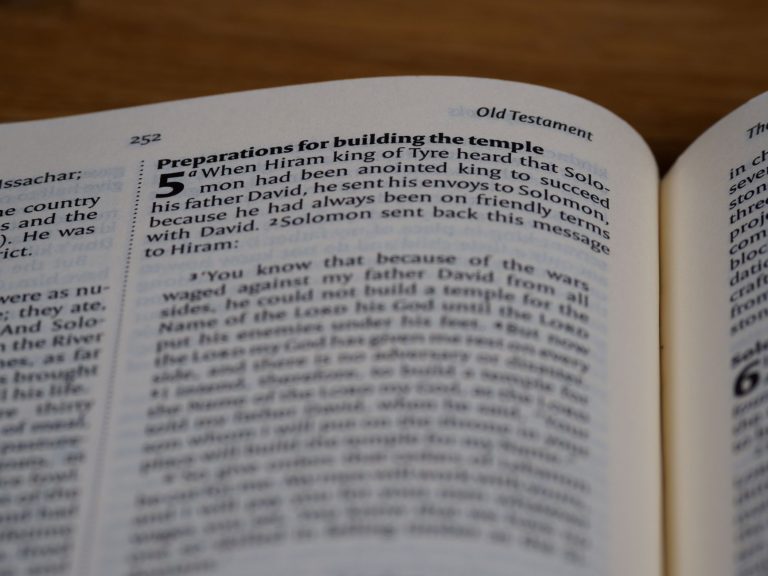
What Does Scripture Explanation Mean for Everyday Bible Study?
What Is the Primary Goal of Scripture Explanation?
Scripture explanation is the objective study of biblical texts to determine the author’s original intent for their specific audience.
In fifteen years of teaching the Bible, I have found that most readers approach Scripture seeking a personal feeling rather than the text’s actual meaning. True explanation, or exegesis, requires us to set aside our preconceived notions to let the text speak on its own terms. It is the bridge between the ancient world of the prophets and apostles and our lives today.
Why Must We Consider the Historical Context?
Historical context explains the culture, politics, and social norms that influenced biblical authors and their original readers.
Every book of the Bible was written at a specific time for a specific group of people. When we ignore the historical reality of the first century, we risk turning timeless truth into modern opinion. A solid explanation of a passage always accounts for the “why” behind the writing.
- Identify the author and the audience.
- Understand the cultural taboos of that era.
- Recognize the literary genre of the book.
- Look for the primary conflict being addressed.
How Does Grammatical Structure Aid Understanding?
Grammatical analysis identifies how original language relationships clarify the intent and emphasis of a particular biblical sentence.
The Bible was written in Hebrew, Aramaic, and Greek. While you do not need to be a linguist to understand the Bible, using a scripture guide helps you see where the emphasis lies. Small words like conjunctions and prepositions often change the direction of an entire argument.
What Methods Should You Use for Accurate Interpretation?
Accurate interpretation relies on comparing scripture with scripture to ensure that private meanings do not contradict divine intent.
I often remind my students that the best commentator on the Bible is the Bible itself. When you encounter a difficult verse, look for how other parts of the canon speak to that same theme. This protects us from basing our faith on isolated, out-of-context verses.
Why Is Comparing Scripture to Scripture Essential?
Comparing texts ensures that your interpretation aligns with the consistent theological framework found throughout the entire Bible.
It is a common error to allow one difficult or obscure verse to override dozens of clear teachings. By cross-referencing, we allow the clearer passages to illuminate the more complex ones. This practice builds a balanced foundation for your Christian life.
How Do Literary Genres Shape Our Explanation?
Literary genre informs how we should read a text, distinguishing between historical narrative, poetry, prophecy, and letters.
Reading a proverb as if it were a promise, or a poem as if it were a legal contract, leads to widespread confusion. We must ask whether the author intended for us to take the words literally or symbolically. Understanding the style of the writing is the first step toward a correct explanation.
Where Should You Start Your Daily Study?
Start with the Gospel of John or the Psalms to balance narrative history with the personal expression of faith and worship.
If you are new to deep study, do not feel pressured to start with the prophets. Begin where the message is clear and directly relates to the person of Jesus. You can explore more resources on how to grow in your prayer life as you study.
What Are the Most Common Pitfalls to Avoid?
The most common pitfalls include eisegesis, or reading your own ideas into the text, and ignoring the surrounding literary context.
Many people find a verse that supports what they already want to do and call that “study.” This is the opposite of explanation; it is manipulation. We are called to be students of the Word, not masters of it.
How Do You Prevent Reading Your Own Ideas Into the Text?
Preventing personal bias requires submitting your questions to the text before you bring your expectations to the study experience.
Ask yourself: “What is this passage saying before I try to figure out what it means to me?” By separating the observation phase from the application phase, you maintain the integrity of the original intent. This humble approach is the hallmark of a mature believer.
Why Does Taking Verses Out of Context Cause Harm?
Taking verses out of context allows for the misapplication of divine truth, which can lead to spiritual error and false confidence.
A verse out of context is often just a pretext for personal agenda. When you remove a command from its surrounding verses, you lose the guardrails that the original author placed there. Always read at least the full paragraph surrounding your focus verse.
Frequently Asked Questions
-
How do I know if my explanation is accurate?
Your explanation is likely accurate if it honors the historical context, fits the literary genre, and aligns with the broader message of Scripture.
-
Do I need a formal seminary education to explain Scripture?
No, you do not need a degree, but you do need to be a diligent student who uses reliable resources and keeps a teachable heart.
-
What should I do when I encounter a verse that contradicts my experience?
The Bible acts as the standard for truth; when your experience clashes with Scripture, your experience must be re-evaluated, not the text.
-
Are commentaries necessary for scripture explanation?
They are helpful tools, but they should be used as guides after you have spent time observing the text for yourself.
-
Is it acceptable to study only the New Testament?
While the New Testament is essential, the Old Testament provides the necessary foundation for understanding the promises and prophecies of Jesus.
-
How does the Holy Spirit influence my study?
The Holy Spirit illuminates the Word, helping you understand its truth and providing the conviction necessary for life transformation.
-
Can scripture have multiple meanings?
While a passage may have many applications, it generally has one intended meaning that the author sought to convey to their audience.
-
Why is prayer important before study?
Prayer aligns your heart with God and asks for the wisdom to see the text as He intends, rather than as you prefer.
-
What if I find a contradiction in the Bible?
Most “contradictions” arise from misunderstandings of context or language; deeper study almost always resolves these initial concerns.
-
How much time should I spend on scripture explanation daily?
Consistency is far more important than length; fifteen to twenty minutes of thoughtful study is better than an hour of rushed reading.
— Pastor Thomas Whitfield, M.Div.