What Is the Old Testament?
What Is the Old Testament?
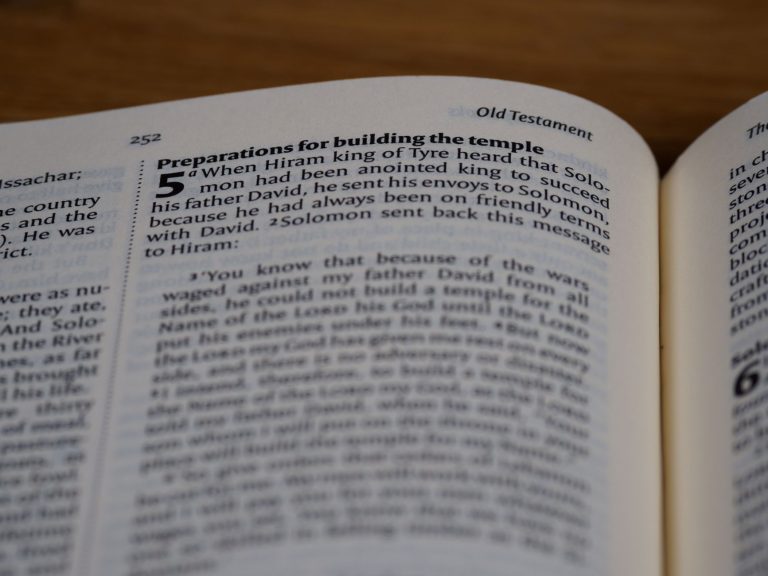
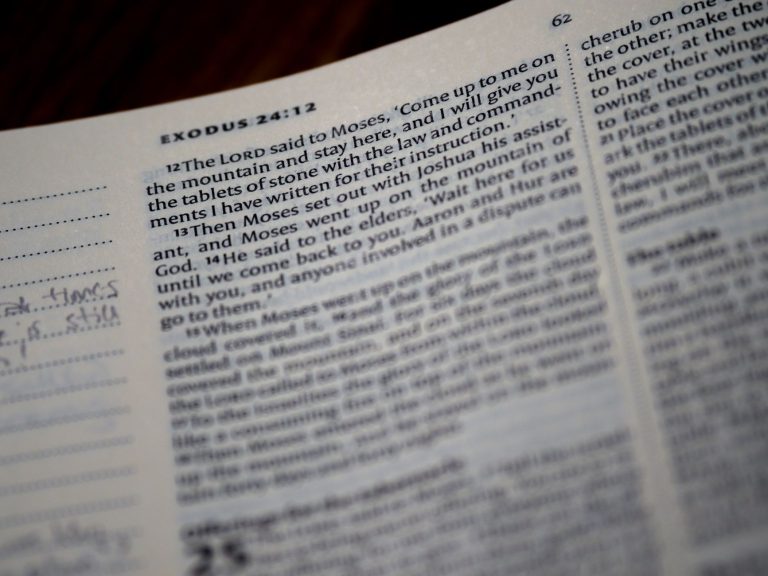
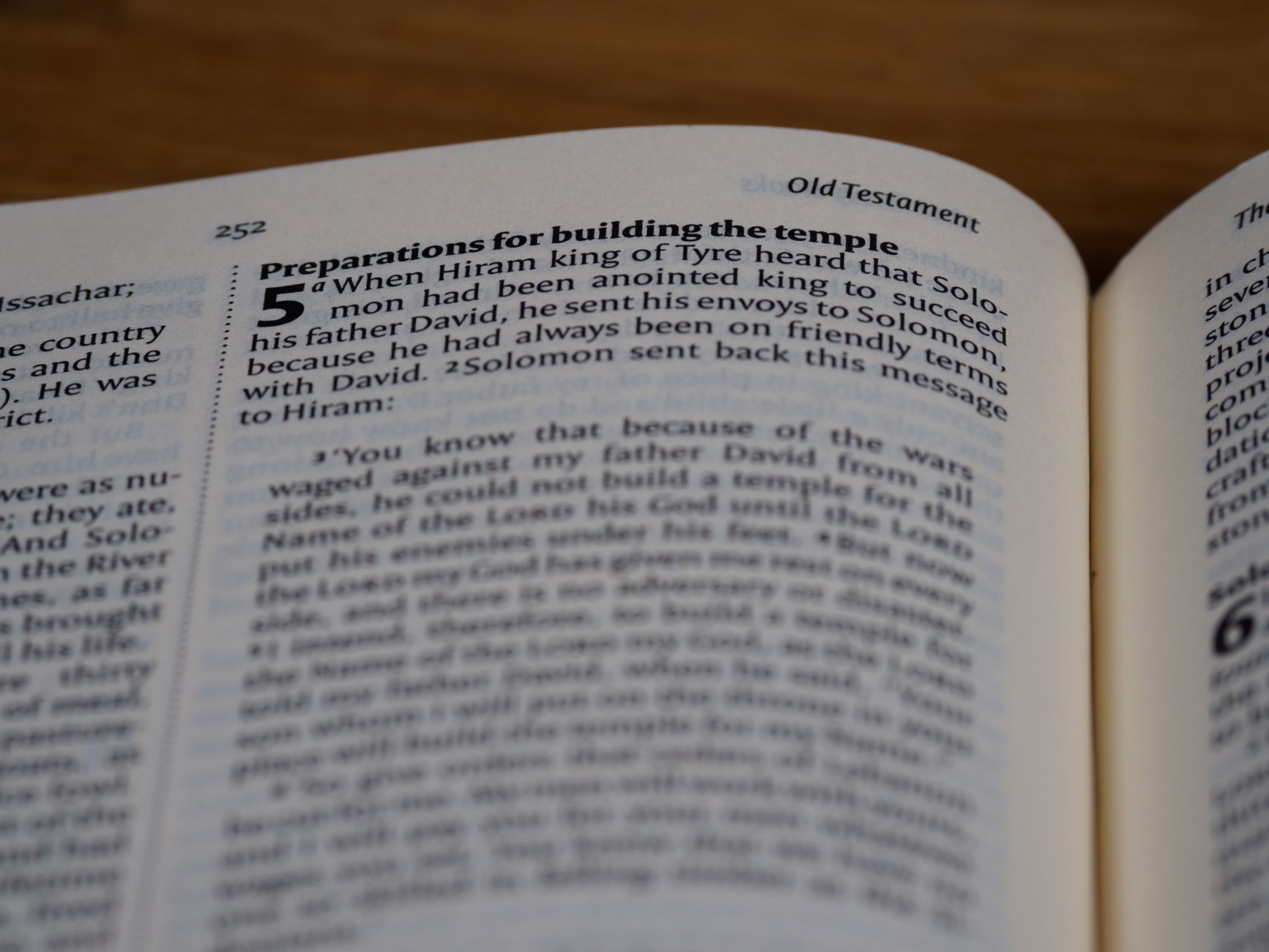
The Old Testament is the initial division of the Christian biblical canon, containing 39 books detailing Israel’s history, law, and hope.
- The Old Testament canon is primarily based on the 24 books of the Hebrew Tanakh.
- It contains 39 books in Protestant tradition and 46 in Catholic tradition.
- These texts span roughly 1,000 years of recorded history and divine interaction.
- The primary focus remains the covenantal relationship between God and ancient Israel.
In 15+ years of teaching the Scriptures, I’ve observed that many readers approach the Old Testament as a distant, disconnected set of myths. They struggle to bridge the gap between ancient Near Eastern life and modern application. It is not an antique relic, but the essential context for understanding the New Testament.
What are the 39 books of the Old Testament?
The Protestant Old Testament consists of 39 books, divided into categories of law, history, poetry, and prophecy for easier study.
The collection begins with the Pentateuch, the five books attributed to Moses. These lay the foundation for the Hebrew legal and theological framework. Following these, the historical books chronicle the rise, fall, and exile of the Israelite kingdoms.
The poetic and wisdom literature—such as Psalms and Proverbs—provides the emotional and practical core of Israel’s faith. Finally, the prophetic books address the moral failings and future hopes of the people.
- The Pentateuch: Genesis through Deuteronomy.
- Historical Books: Joshua through Esther.
- Wisdom Literature: Job through Song of Solomon.
- Major and Minor Prophets: Isaiah through Malachi.
Does the Old Testament apply to us now?
The Old Testament remains relevant today as it reveals God’s unchanging nature and provides the foundation for all Christian theology.
Many believers wonder if these ancient laws still bind them. While the ceremonial and civil codes were specific to the theocracy of Israel, the moral principles remain timeless.
We read these texts to understand the nature of sin and grace. The entire narrative points toward the eventual work of Christ as the fulfillment of the Law.
Does the Old Testament Mention America?
The Old Testament does not mention the United States, as it was written to address specific ancient Near Eastern geopolitical realities.
Why is America not mentioned in the Bible?
Biblical prophecy focused on the nations surrounding ancient Israel, meaning modern Western nations are absent from the narrative.
Some readers look for modern nations in the prophetic texts, but this approach misreads the original intent. The prophets spoke to the historical powers of their day, such as Babylon and Egypt.
The absence of America in these texts does not diminish their truth. The biblical message focuses on God’s sovereignty over all human history, regardless of modern borders.
Are there theories linking the Bible to America?
Alternative historical theories often claim secret connections to the Americas, but these lack any basis in archaeological evidence.
You may encounter fringe claims suggesting that the land of ‘Mizraim’ refers to locations in the modern United States. These theories are widely rejected by serious theological scholars.
It is important to rely on established historical records. The Bible describes a world of the ancient Near East, not the Western Hemisphere.
How Do Different Traditions View These Books?
Traditions differ on the canon, with Catholic and Orthodox Bibles including additional books known as the Deuterocanon or Apocrypha.
Why are there differences in the number of books?
Differences arise from historical reliance on the Septuagint, a Greek translation that included more texts than the Hebrew canon.
Protestants follow the 39-book Hebrew canon established after the exile. Roman Catholic and Eastern Orthodox traditions use a wider selection that includes works like Tobit and Maccabees.
These books offer significant historical insight into the intertestamental period. Engaging with them helps students better grasp the environment Jesus entered.
How can I study these books effectively?
Effective study requires understanding historical context, literary genre, and the overarching theme of God’s redemptive covenant.
Whether you are reading the 39 or 46 book count, the goal is the same. I encourage students to read consistently rather than sporadically. You can explore more through our resource hub for biblical study.
FAQ
What generation will not pass away?
This refers to the generation witnessing the specific events Jesus predicted in the Olivet Discourse, rather than a modern timeline.
Why is America not mentioned in Revelation?
Revelation uses symbolic language to describe the global struggle between God and evil, not a map of 21st-century nations.
How many books are in the Catholic Old Testament?
The Catholic Old Testament includes 46 books, encompassing the additional Deuterocanonical texts.
What is the Tanakh?
The Tanakh is the Hebrew Bible, which corresponds to the Old Testament but is ordered and organized differently by Judaism.
Is the Old Testament different from the Torah?
The Torah is the first five books of the Old Testament, while the Old Testament refers to the entire collection of 39 books.
What does the word “testament” mean?
The word testament means covenant, referring to the formal agreement between God and his people throughout biblical history.
Why do Christians call it “Old”?
It is called Old to distinguish it from the New Covenant established by Christ, not to suggest it is obsolete or useless.
Are the minor prophets less important?
No, the term minor refers to the length of the books, not their theological weight or importance to the biblical narrative.
Who wrote the Old Testament?
Multiple authors, including Moses, David, Solomon, and various prophets, wrote the books over a period of many centuries.
Can I understand the Old Testament without the New?
While possible to study, the Old Testament is best understood when read in light of its fulfillment in the person of Jesus.
In my teaching, I have found that the Old Testament remains the essential foundation for a mature faith. It sets the stage, provides the vocabulary, and establishes the promises that the New Testament brings to light. I hope this summary helps you navigate these ancient, living texts with renewed confidence.
— Pastor Thomas Whitfield, M.Div.