What Is the Old Testament and Does It Apply Today?
What Is the Old Testament and What Does It Contain?
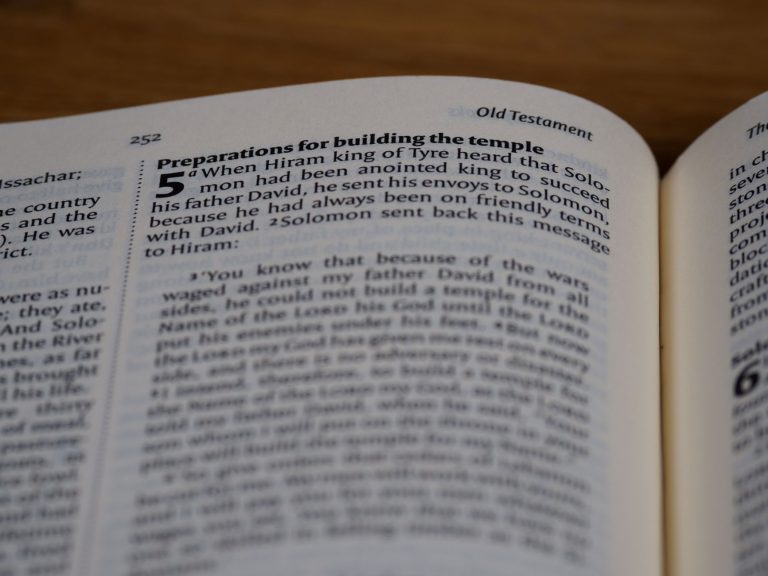
The Old Testament is the primary collection of 39 ancient books recording the history, laws, and prophetic promises of God to Israel.
In fifteen years of teaching this collection, I have observed a recurring pattern: many readers treat the Old Testament as a distant, disconnected preamble to the New Testament. It is, in fact, the essential foundation of the entire biblical narrative. These texts document God’s creative work, the fall of humanity, and the establishment of a formal covenant with a chosen people.
How Many Books Make Up the Old Testament?
The Protestant Old Testament consists of 39 books, which cover history, poetic wisdom, and prophetic messages given to ancient Israel.
While the categorization varies slightly across denominational traditions, the standard Protestant canon maintains this count. It encompasses the Pentateuch, historical books, wisdom literature, and the major and minor prophets. You can learn more about these foundational texts at our books of the Bible hub.
- The Law (5 books): Genesis through Deuteronomy.
- History (12 books): Joshua through Esther.
- Poetry (5 books): Job through Song of Solomon.
- Prophets (17 books): Isaiah through Malachi.
How Are the Five Divisions Organized?
Scholars typically divide the 39 books into the Law, History, Poetry, Major Prophets, and Minor Prophets for easier study navigation.
This organizational structure helps students trace the development of Israel’s faith. The Law establishes the standard, the History records the national life, and the Prophets address the moral lapses and coming restoration.
Does the Old Testament Apply to Us Today?
The Old Testament remains highly relevant as it reveals God’s unchangeable character, moral standards, and the origins of our faith.
One of the most common questions I hear is whether Christians are still bound by the laws found in these ancient pages. We must distinguish between the moral law, which reflects God’s nature, and the civil or ceremonial laws given to ancient Israel. Reading these passages helps us understand the necessity of the grace found in the New Testament narrative.
Why Do We Need the Old Testament for Faith?
It provides the necessary context to understand Jesus Christ, as the New Testament themes of sacrifice and grace are rooted here.
The Old Testament is not merely a collection of stories; it is the stage upon which God’s redemptive plan is introduced. Without understanding the sacrificial system, for instance, the term “Lamb of God” used in the Gospels loses its depth. It is also where we develop a vocabulary for honest prayer and faith through the Psalms.
| Category | Primary Purpose |
|---|---|
| The Law | Reveals sin and God’s holiness |
| History | Documents faithfulness and failure |
| Prophets | Points toward the coming Messiah |
Is the United States Ever Mentioned in Scripture?
The Bible does not mention the United States because the prophetic focus of the canon remains on the ancient Near East and Israel.
Speculation often arises regarding modern nations in biblical prophecy, but these theories frequently force modern contexts onto ancient writers. The primary purpose of scripture is to reveal God’s plan of salvation, not to provide a geopolitical roadmap for modern Western powers. We must avoid reading our own history into the text.
Frequently Asked Questions
-
Why is America not mentioned in Revelation?
Revelation focuses on the cosmic battle between good and evil, using symbols meant for first-century readers, not modern nation-states.
-
What generation will not pass away?
Jesus likely referred to the people living during the events of the first century who would witness the destruction of the Temple.
-
Are there 46 books in the Old Testament?
The Catholic canon includes 46 books, adding seven deuterocanonical works that are not part of the standard 39-book Protestant canon.
-
Does the Old Testament map show America?
No, historical maps in the Bible exclusively track the regions of Mesopotamia, Egypt, and the Levant, not the Western Hemisphere.
-
What are the major and minor prophets?
Major prophets are categorized by the length of their books, while minor prophets contain shorter prophetic writings.
-
Is the Old Testament different from the Torah?
The Torah refers specifically to the first five books of the Bible, whereas the Old Testament refers to the entire collection.
-
How do I study the Old Testament?
Start with the Gospel of John to see how Jesus quotes the Old Testament, then explore Genesis to understand the foundational narrative.
-
What does covenant mean?
A covenant is a binding, legal agreement between God and his people, involving specific promises, responsibilities, and consequences.
-
Was the Bible set in America?
No, all archaeological and textual evidence confirms the Bible was set in the ancient Near East and Mediterranean regions.
-
Why do we still read the Old Testament?
It reveals the immutable nature of God, his justice, and his mercy, which are essential for understanding the entirety of scripture.
As a teacher, I encourage you to read the Old Testament not as a closed history book, but as a living record of God’s interaction with mankind. It remains the essential companion to the life and work of Jesus Christ.
— Pastor Thomas Whitfield, M.Div.