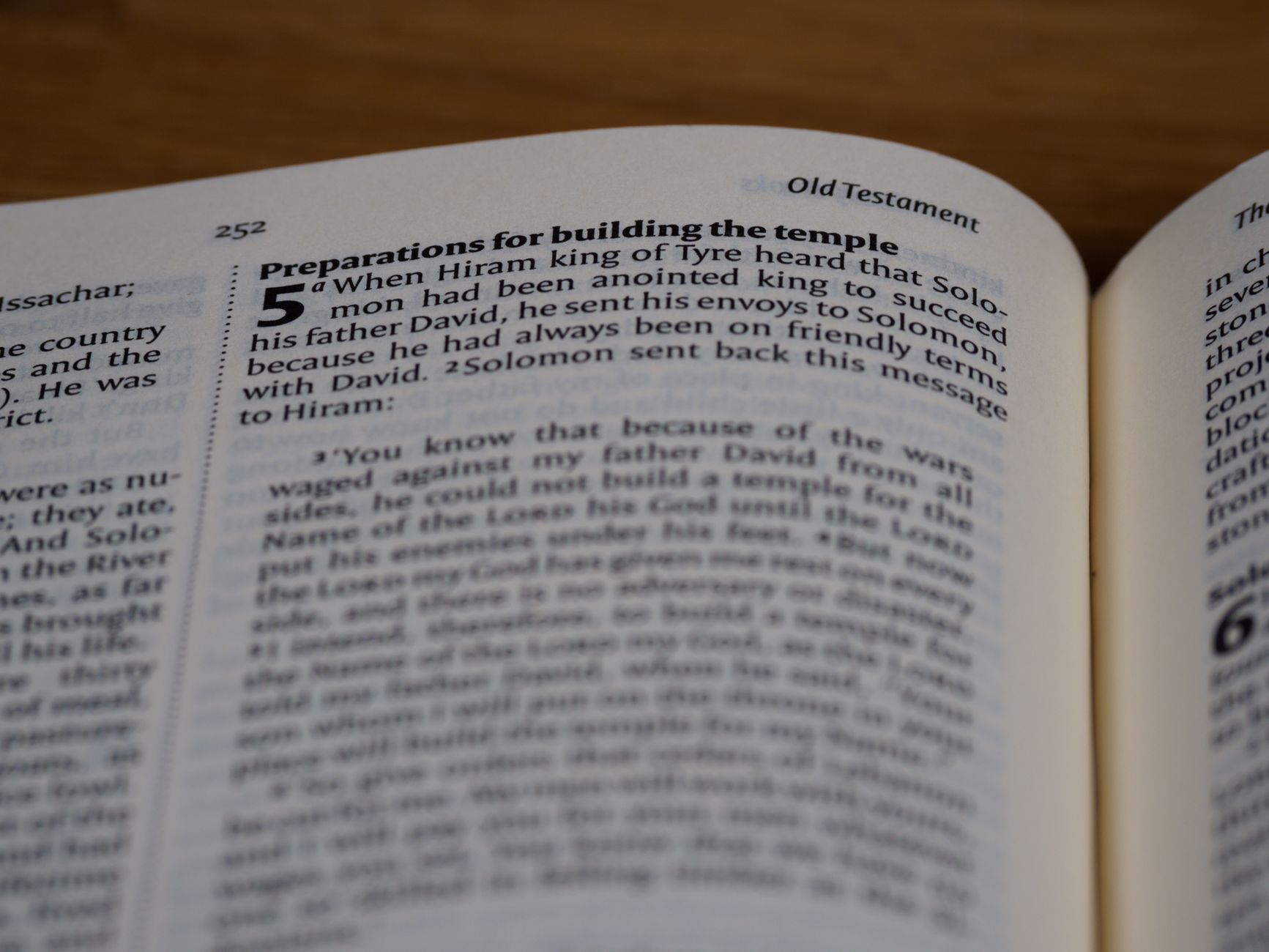
What Is the Old Testament and Why Does It Matter?
What Is the Old Testament in the Biblical Narrative?
The Old Testament consists of thirty-nine Hebrew books detailing the creation of the world and God’s covenantal relationship with Israel.
In fifteen years of teaching this text, I’ve noticed a recurring pattern—many students feel the Old Testament is a separate, disconnected set of stories. This is the primary hurdle for new learners to overcome. The Old Testament is the necessary preamble to the New Testament, laying the groundwork for the identity of the Messiah. Without it, the story of Jesus lacks the historical and theological context required for full understanding.
- The Old Testament contains 39 books written over approximately 1,000 years.
- It is divided into 4 major literary sections: Law, History, Poetry, and Prophecy.
- It accounts for roughly 75% of the total content of the Christian Bible.
- The text provides the theological foundation for all New Testament fulfillment.
Who Authored the Old Testament Books?
The Old Testament was authored by numerous individuals over ten centuries, including Moses, David, Solomon, and various prophetic figures.
While tradition attributes the Torah, or the first five books, to Moses, the broader canon includes writings from prophets, kings, and sages. These men wrote under the conviction of divine inspiration, preserving the memory of God’s redemptive work. Many respected Bible scholars note that these authors wrote from specific cultural contexts, yet they maintained a cohesive theological focus. You can find more detail on the canon’s formation on our books of the bible resource page.
How Is the Old Testament Structured?
The Old Testament is organized into four distinct categories: the Pentateuch, Historical Books, Wisdom Literature, and the Major and Minor Prophets.
| Category | Primary Focus |
|---|---|
| Pentateuch | Covenant and Law |
| History | Israel’s national narrative |
| Wisdom | Practical living and worship |
| Prophecy | Call to repentance and hope |
This structure helps us navigate the vast terrain of the text by grouping books with similar literary purposes. Whether you are reading through the Psalms or the major prophetic works, understanding the category changes how you interpret the author’s intent.
Why Is the Old Testament Still Relevant for Christians?
The Old Testament remains vital for 2026 believers because it defines the character of God and establishes the necessity of divine redemption.
Does the Old Testament Apply to Modern Life?
Yes, the Old Testament teaches enduring moral principles, the nature of holiness, and the profound depth of human struggle before a holy God.
Many people ask if these ancient laws still apply today. It is more accurate to view the Old Testament as the source of our understanding of who God is and how He relates to His people. We see patterns of grace, justice, and mercy that are fully realized in the life of Christ. Learning to apply these principles is a cornerstone of christian living.
How Does the Old Testament Point to Jesus?
The Old Testament contains hundreds of prophecies, typologies, and promises that systematically anticipate the arrival of the promised Messiah.
- Isaiah 53 provides a detailed portrait of the suffering servant.
- Micah 5:2 predicts the specific birthplace of the Messiah in Bethlehem.
- Psalm 22 offers a graphic description of crucifixion centuries before its invention.
- The sacrificial system establishes the requirement for atonement by blood.
What Are the Key Differences Between Old and New Testaments?
The primary difference is the shift from a national covenant bound by legalistic observance to a universal covenant founded on grace in Christ.
Why Do Some View the God of the Old Testament as Harsh?
This perception stems from misreading the context of divine judgment against systemic evil and the historical reality of ancient Near Eastern life.
When we encounter passages detailing divine judgment, we must read them through the lens of God’s holiness and His commitment to justice. God’s wrath in the Old Testament is always reactive to human rebellion that threatens the covenant of life. Understanding this allows us to see that the grace found in the New Testament is not a change in God’s nature, but a fulfillment of His enduring plan. For further study, visit our hub on difficult questions in the Bible.
Is the Old Testament Canon the Same as the Jewish Tanakh?
The Christian Old Testament and the Jewish Tanakh contain the same essential books, though their internal ordering and final counts differ.
- The Tanakh is divided into Torah, Nevi’im, and Ketuvim.
- The Christian canon separates some books like Kings and Chronicles.
- Both traditions affirm the same core historical and prophetic revelation.
Frequently Asked Questions
-
How many books are in the Old Testament?
The Protestant Old Testament contains thirty-nine individual books.
-
Was the Old Testament written in Greek?
No, the Old Testament was originally written primarily in Hebrew, with some small portions in Aramaic.
-
Do Christians need to keep Old Testament laws?
Christians are guided by the moral law, but they are not bound by the ceremonial or civil laws originally given to the nation of Israel.
-
What is the oldest book in the Old Testament?
Many scholars suggest the Book of Job may be the oldest recorded narrative due to its ancient patriarchal setting.
-
What is the main theme of the Old Testament?
The central theme is the unfolding of God’s redemptive plan for humanity through the chosen people of Israel.
-
Why are there 39 books?
The number 39 reflects the final selection of the Hebrew canon as recognized by early church fathers and modern tradition.
-
Are the Old and New Testaments contradictory?
No, they form a single, progressive narrative that begins with creation and culminates in the restoration of all things in Christ.
-
What is the Apocrypha?
The Apocrypha refers to a collection of books included in some traditions but excluded from the standard 39-book Protestant canon.
-
Can I understand the Bible without the Old Testament?
While possible, one would lose significant context regarding the nature of God, sin, and the fulfillment of messianic promises.
-
Where should I start reading the Old Testament?
Beginning with Genesis provides the necessary historical narrative, while Psalms is excellent for understanding Old Testament devotion.
The Old Testament is an expansive, deep well that requires patience and a willing heart. I encourage you to read it not as a museum of ancient artifacts, but as the living history of God’s dealings with humanity. It remains the bedrock of our faith today. — Pastor Thomas Whitfield, M.Div.
“,”categories”: [“Books of the Bible”], “tags”: [“Old Testament”, “Bible Study”, “Theology”]