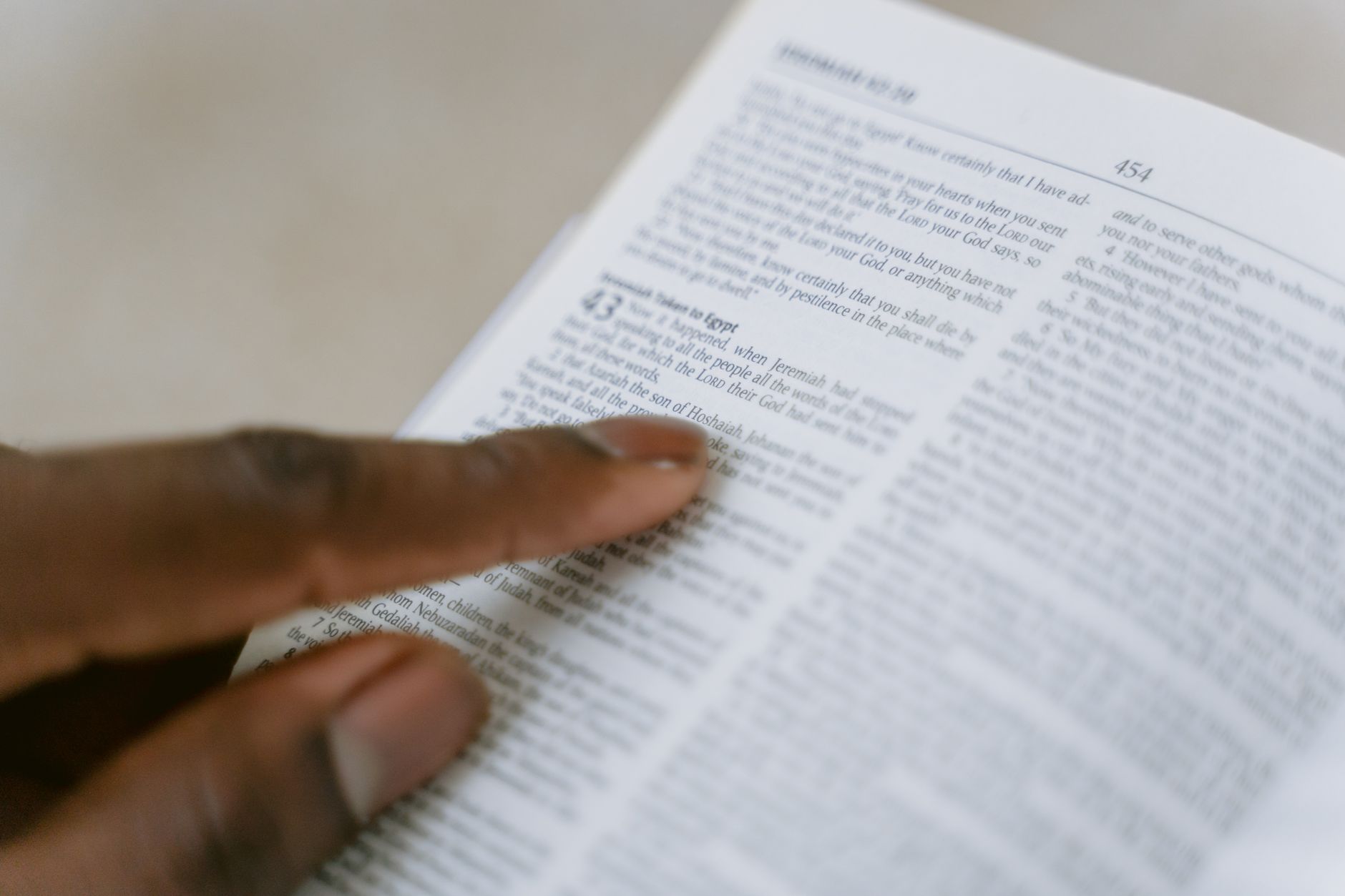
A Bible Verses Guide: How to Find the Right Scripture for Your Situation
How Do You Start Using a Bible Verses Guide Effectively?
Begin by identifying your specific need, then use a concordant or topical index to find relevant passages, always reading the context first.
In fifteen years of teaching, I have observed that most people approach Scripture by hunting for a “verse of the day” to provide immediate comfort. While there is value in encouragement, effective study requires a systematic approach that honors the original intent of the text. Whether you are looking for guidance on what the Bible says about a specific struggle or seeking a deeper understanding of doctrine, the process remains the same: context is king.
Most readers become frustrated because they isolate verses from the surrounding narrative. By learning to use reference tools, you can move from simple reading to meaningful study.
What Tools Should Every Student Have?
The essential tools for study include a reliable translation, a concordance, and a reputable one-volume commentary for historical background.
Many students rely solely on digital searches, which can often lead to taking verses out of their intended meaning. A physical book of the Bible overview or a concordant index allows you to see the scope of how a word is used throughout the entire canon.
- A study Bible with notes from seminary-trained editors
- A Greek and Hebrew lexicon for word-level accuracy
- A reputable concordance to trace themes through the narrative
- A notebook to track recurring themes in your study
How Do You Avoid Common Misinterpretations?
Avoid misinterpretation by always asking who wrote the passage, who it was addressed to, and what the original historical setting was.
In my experience, the most common errors occur when readers apply a verse meant for ancient Israel directly to a modern situation without considering the covenantal shift. It is essential to distinguish between descriptive passages—which tell us what happened—and prescriptive passages, which give us commands for living.
How Do You Find Verses for Specific Life Challenges?
Use topical indexes or search concordances for keywords, then read the surrounding chapter to ensure the application matches the author’s intent.
When you are navigating difficult questions or personal crises, the temptation is to find a verse that supports your current feelings. Instead, look for verses that speak to the character of God, as his nature provides the anchor for our shifting emotions. Searching by keyword is helpful, but searching by theme—such as “faithfulness” or “justice”—is much more robust.
Where Do You Find Verses About Anxiety?
Find passages about anxiety in places like Philippians 4 or 1 Peter 5, focusing on the call to prayer rather than just the command to be calm.
Many people treat Philippians 4:6-7 as a simple instruction to “stop worrying.” However, studying this in the original context reveals it is a call to transfer our burdens to God through thanksgiving. The peace mentioned is a result of this surrender, not a feeling we manufacture ourselves.
How Do You Locate Verses on Forgiveness?
Locate passages on forgiveness in the Gospels, focusing on the distinction between the internal act of releasing debt and relational reconciliation.
Forgiveness is one of the most demanding themes in Scripture, often appearing in the context of the Lord’s Prayer or the teachings of the Apostles. Always look for verses that describe forgiveness as a vertical response to God’s grace before applying it to horizontal relationships.
Frequently Asked Questions About Bible Study
-
Is it okay to use a digital Bible for study?
Yes, digital tools are effective for searching, but they should be supplemented with physical study aids to maintain a focus on the context.
-
Why does the translation I use matter?
Different translations balance literal word-for-word accuracy with thought-for-thought clarity; comparing two versions helps clarify difficult meaning.
-
How long should a daily study session last?
Consistency is better than intensity; twenty minutes of focused, contextual reading is more effective than an hour of random skimming.
-
How do I know if a verse applies to me?
If a passage reveals God’s character or a universal principle of the kingdom, it applies; if it is a specific legal requirement for Israel, it requires interpretation.
-
What if I find a verse that contradicts my experience?
When your experience conflicts with Scripture, the Bible acts as the correction for your perspective, not the other way around.
Answers to common questions regarding how to effectively locate and apply biblical texts for personal growth and theological understanding.
Ultimately, the goal of searching for verses is to know the Author of the text. If you use these tools to build a pattern of prayerful, contextual reading, you will find that Scripture becomes less of a manual for your problems and more of a revelation of your Savior. I encourage you to be patient with yourself as you develop these habits; biblical literacy is a marathon, not a sprint.
— Pastor Thomas Whitfield, M.Div.